Use staggered cutting
Cut only 1/3–1/2 of the stand at a time in late summer or early fall so the remaining clumps keep photosynthesizing and help the area recover faster.

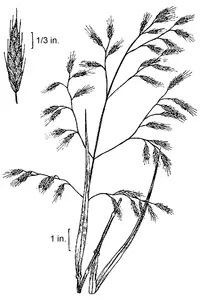
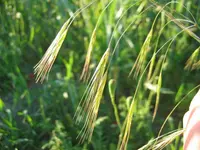
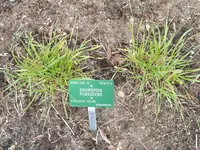
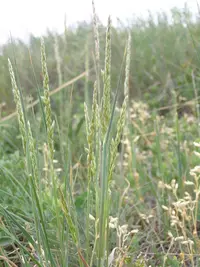
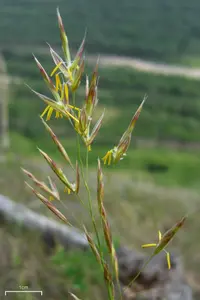
Earlyleaf brome, Bromus latiglumis, is a robust perennial grass native to moist woodlands, stream banks, and lowlands in eastern and central North America. It forms loose clumps with upright to arching stems and broad, flat leaves that look softer and wider than many other brome grasses.
The plant spreads by seed and short rhizomes, creating a naturalistic, meadow-like effect in suitable sites. It is valued in restoration plantings and wildlife gardens because it offers cover and food for insects and small animals.
Earlyleaf brome prefers consistent soil moisture, partial sun, and fertile, well-drained soil, which influences how to care for earlyleaf brome in garden settings.

Care Difficulty
Easy Care

Light Preference
Partial Sun

Water Requirements
Regular Water

Temperature Preference
Cold Hardy

Hardiness Zone
3–8

Soil Texture
Loamy, Silty, Organic-rich

Soil pH
Acidic (5.5–6.5), Slightly acidic (6.5–7.0)

Soil Drainage
Moist but well-drained

Fertilization
Minimal (feed rarely)
Scan your plant to receive care tips personalized for your specific plant
Available on iOS and Android
This native cool-season grass prefers bright exposure with some protection from intense heat.
This species prefers consistently moist soil but does not tolerate standing water.
This cool-season grass grows best in moderate temperatures with some tolerance to both cold and summer heat.
Humidity is rarely a limiting factor for Bromus latiglumis grown outdoors in its usual temperate climates.
Bromus latiglumis prefers moist, structured soil that stays aerated yet does not dry out rapidly.
This species can be grown in containers outdoors if the pot is prepared for its vigorous, clumping root system.
This native grass typically needs minimal feeding in average to moderately rich soil.
Pruning Bromus latiglumis is mainly about seasonal cleanup and maintaining a tidy clump.
This grass is usually grown in the ground, so care focuses on dividing and transplanting clumps rather than frequent repotting.
Bromus latiglumis is commonly propagated by seed and by division of established clumps.
This cool-season, cold-hardy grass generally requires little special winter care in most temperate climates.

Plant Health Check
Not sure what's wrong with your plant? Check your plant's health inside the app.
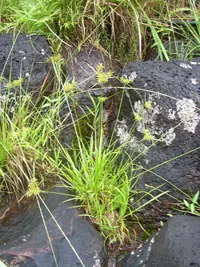
This species naturally occurs along streams, river floodplains, and moist woodland edges in eastern North America, where it is adapted to periodic flooding and fluctuating soil moisture.
It can form loose clumps that often reach 1.5–2 m in height under good conditions, making it one of the taller native woodland and wetland grasses in its range.
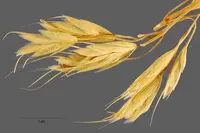
The species name latiglumis refers to its characteristically wide glumes, the husk-like bracts at the base of each grass floret, which help distinguish it from many similar brome grasses.
This grass is a cool-season perennial. Individual shoots live 1–2 years, but the clump persists by producing new tillers and seeds. In suitable conditions, it returns reliably each year without needing to be replanted.
Keep your plants happy and healthy with plant identification, disease detection, and easy care guidance.