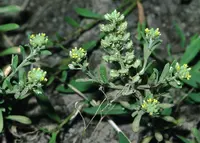
shyleaf Care (Aeschynomene americana)

shyleaf

About shyleaf

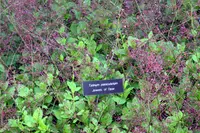
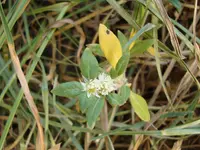
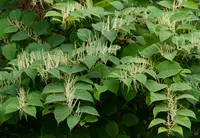
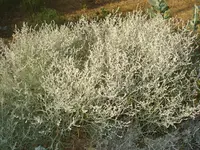
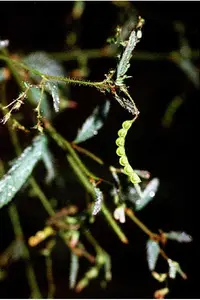
Shyleaf (Aeschynomene americana) is a soft-stemmed legume often grown as a fast-covering ground plant or forage species in warm climates. It has finely divided leaves that may droop when touched and small yellow flowers that develop into flattened pods.

This species is native to tropical and subtropical regions of the Americas and has naturalized in many warm parts of the world. It grows quickly in open, sunny areas and can become weedy where conditions are ideal.

Shyleaf prefers full sun, regular moisture, and well-drained soil, which usually makes it easy to establish. Gardeners who want to care for shyleaf should monitor its spread, as it can reseed and form dense patches.

Main Plant Requirements

Care Difficulty

Easy Care

Light Preference

Full Sun

Water Requirements

Aquatic

Temperature Preference

Tropical / Frost Sensitive

Hardiness Zone

9–11

Soil Texture

Sandy, Loamy, Silty

Soil pH

Acidic (5.5–6.5), Slightly acidic (6.5–7.0)

Soil Drainage

Waterlogged tolerant

Fertilization

Minimal (feed rarely)

Get Personalized Care Plan

Scan your plant to receive care tips personalized for your specific plant

Available on iOS and Android

How to Care for the shyleaf

This warm-season legume thrives in open, bright sites with consistent sun exposure.

  • Provide 6–8 hours of direct sun daily; full sun promotes dense growth and better flowering for shyleaf.
  • Plant where it receives strong morning sun and some light afternoon shade in very hot climates to reduce leaf scorch.
  • In partial shade (about 3–4 hours direct sun), stems become taller and sparser; monitor and relocate plants if they lean strongly toward the light.

This species prefers consistently moist soil but does not tolerate stagnant water for long periods.

  • Water when the top 2–4 cm of soil feel slightly dry, aiming for moisture that reaches the root zone without puddling on the surface.
  • During hot, dry spells, increase watering frequency and watch for drooping foliage or slow growth as signs the soil is staying too dry.
  • Ensure soil drains freely; yellowing leaves, soft stems, or a sour smell in the root zone indicate chronic overwatering and poor aeration.

This warm-season plant grows best in consistently mild to hot conditions without frost exposure.

  • Optimal growth occurs around 75–90°F (24–32°C); growth slows noticeably below about 65°F (18°C).
  • Aeschynomene americana is very sensitive to frost and is typically damaged or killed when temperatures drop near 32°F (0°C).
  • Short periods up to about 95–100°F (35–38°C) are tolerated if soil moisture is steady; in cooler seasons, expect reduced vigor and slower regrowth after cutting.

This species tolerates a wide humidity range and usually does not need special humidity management in typical outdoor conditions.

This species prefers moist, light, and well‑aerated soil that does not stay waterlogged.

  • Use a loamy or sandy-loam mix with moderate organic matter so roots can spread easily without compacting.
  • Aim for slightly acidic to neutral pH around 6.0–7.0, adjusting with lime or sulfur only if a soil test shows extremes.
  • Blend in compost plus coarse sand or fine gravel to balance moisture retention with fast drainage for Aeschynomene americana.
  • Avoid heavy clay or compacted ground; if unavoidable, raise the planting area and incorporate coarse material to improve aeration.

This species can be grown in containers outdoors if the potting setup supports its rapid, moisture-loving root system.

  • Select a wide, medium-deep container to give spreading roots room while preventing the plant from becoming top-heavy and unstable.
  • Use a light, loamy potting mix that drains quickly yet stays evenly moist, and elevate the pot so drainage holes never sit in collected water.
  • Choose a sturdy, heavier pot material if the container is exposed to wind, since the vigorous top growth can catch gusts and tip light pots.

This fast-growing legume usually needs only light feeding, as it already fixes atmospheric nitrogen in its roots.

  • Use a balanced, diluted liquid fertilizer (for example 10-10-10 at 1/4 strength) only in poor soils during active growth.
  • Apply compost or a thin layer of well-rotted organic matter in spring to support soil life rather than force rapid growth.
  • Feed at most every 4–6 weeks during the warm growing season when caring for shyleaf outdoors or in containers.
  • Stop fertilizing in late summer so new growth can mature before cooler weather or any brief dormant period.

Pruning Aeschynomene americana is mainly used to manage size and maintain a healthy, bushy habit.

  • Carry out light pruning in late winter or early spring before vigorous new growth starts.
  • Remove dead, damaged, or crossing stems with clean, sharp hand pruners to improve air flow and reduce disease risk.
  • Shorten leggy or overlong shoots to encourage branching and a fuller shape, especially in managed plantings.
  • In dense stands, thin crowded stems selectively at the base rather than shearing the top, which can cause weak regrowth.

This species is more often grown in the ground, so transplanting is usually more relevant than container repotting.

  • Transplant in spring or early summer when soil is warm and plants are actively growing, which lowers stress.
  • Move plants when roots begin to circle a pot, growth slows, or the plant dries out very quickly after watering.
  • Lift with a wide root ball, keep roots shaded and moist, and replant at the same depth in loose, well-drained soil.
  • Water thoroughly after transplanting, then keep soil evenly moist for 1–2 weeks while roots re-establish, avoiding waterlogging.

Propagation of this legume is commonly done from seed, which is straightforward under warm conditions.

  • Sow fresh seeds in late spring to early summer once temperatures reach at least 70°F.
  • Scarify hard seeds lightly with sandpaper or nick the coat to improve and speed germination.
  • Use a free-draining seed mix, barely cover the seeds, and keep the surface evenly moist but not saturated.
  • Provide bright light and warm air and soil to support rapid seedling growth, then transplant gently once roots fill the plug.

This warm-season species lacks strong frost tolerance and benefits from basic winter management outside tropical climates.

  • In regions with light frost, apply a 5–8 cm mulch over the root zone in late fall to moderate temperature swings.
  • Allow top growth to die back naturally in cold spells; new plants can be grown from seed the following warm season.
  • Grow container plants in climates with cool winters, and shift them indoors or to a frost-free greenhouse before temperatures drop near freezing.

Care Tips

Support floppy stems

Install low, soft twine or mesh along the row early in the season so the flexible stems can lean without snapping, especially in windy or exposed sites.

Staggered succession sowing

For a longer flowering and forage window, sow small blocks every 3–4 weeks in warm weather rather than one large sowing, adjusting seed rate slightly higher on poorer soils.

Encourage nodulation

In new ground where legumes have not grown recently, coat seeds with an appropriate rhizobium inoculant before sowing to improve nitrogen-fixing nodules and overall vigor.

Managed grazing height

If used as forage, allow plants to reach 30–45 cm before first grazing or cutting and then maintain a residual height of at least 10–15 cm to protect crowns and promote rapid regrowth.

Monitor for lodging

In fertile soils where plants grow tall and lush, reduce late-season nitrogen inputs and lightly thin overcrowded patches to limit lodging and maintain good air flow through the canopy when growing shyleaf.

Common Pests and Diseases

Leaf blotch

This disease causes irregular brown to dark purple spots on leaves that may merge into larger dead patches and lead to premature leaf drop. Symptoms include more severe damage in warm, humid, crowded stands or when foliage remains wet for long periods.

Solution

Remove and destroy heavily spotted leaves and plant debris, and avoid overhead irrigation so foliage dries quickly. Thin dense plantings, improve airflow, and if growing Aeschynomene americana as a forage or ornamental in areas with recurring problems, use wider spacing and rotate with non-legume crops to lower inoculum levels.

Bacterial leaf spot

This disease produces small, water-soaked lesions that turn dark brown to black and can give leaves a tattered appearance as tissue dies and falls out. Symptoms include worse expression after heavy rain, overhead watering, or physical damage to foliage.

Solution

Limit leaf wetness by watering at soil level, avoid handling wet plants, and promptly remove infected leaves to reduce spread. Disinfect cutting tools, avoid working in plantings when they are wet, and in field situations use crop rotation and clean seed or transplants to reduce carryover between seasons.

Root-knot nematodes

These microscopic roundworms form swollen galls on roots, leading to poor nodulation, reduced nitrogen fixation, stunting, and pale or yellow foliage. This pest is more problematic on light, sandy soils where nematode populations build up under repeated legume cultivation.

Solution

Remove and destroy severely affected plants and avoid replanting A. americana or other susceptible legumes in the same spot for several years. In field or large-bed settings, rotate with non-host grasses, incorporate organic matter to support beneficial soil organisms, and where allowed use soil solarization (covering moist soil with clear plastic during the hottest weeks) to reduce nematode populations.

Pod borers

These insects feed inside developing pods, destroying seeds and reducing seed viability and yield. Symptoms include small entry holes on pods, frass deposits, and shriveled or partially eaten seeds when pods are opened.

Solution

Inspect pods regularly during flowering and pod set, hand-remove and destroy infested pods, and collect and remove crop residues after harvest to disrupt the life cycle. Light trapping and encouraging natural enemies such as parasitic wasps can help in larger plantings, and planting slightly earlier or later can avoid peak moth activity in some regions.

Leaf-chewing caterpillars

These larvae feed on foliage, creating irregular holes, skeletonized leaf areas, and in heavy infestations partial defoliation that slows growth and reduces biomass. This pest is often more severe on isolated patches or young plants that cannot compensate for leaf loss quickly.

Solution

Hand-pick and remove caterpillars where practical and encourage birds and beneficial insects by maintaining diverse surrounding vegetation. For larger stands, monitor regularly and, if needed, apply targeted, low-toxicity products such as Bacillus thuringiensis (Bt) in the evening, directing sprays to the undersides of leaves where larvae rest.

Interesting Facts

Stem-borne air roots

In flooded habitats this species forms numerous adventitious roots along its stems, allowing gas exchange and nutrient uptake even when the soil is waterlogged.

Nitrogen-fixing partnership

The roots form nodules with rhizobial bacteria that convert atmospheric nitrogen into a plant-available form, improving soil fertility in warm, wet environments.

Seed dormancy behavior

Its hard-coated seeds can remain dormant in soil for long periods and often require physical scarification or natural weathering before they germinate readily.

Botan icon

Did you know?

In tropical rice paddies and wet pastures, dense growth of this species can become a significant weed problem, competing with crops and grasses while also changing nitrogen dynamics in the flooded soil ecosystem.

FAQs about shyleaf

Poor flowering often relates to insufficient light, nutrient imbalance, or stress from repeated cutting or grazing. Ensure full growing-season light, avoid excessive nitrogen, and allow the plant to mature without frequent heavy pruning to support bud formation.

Grow Healthy Plants with Botan Care

Keep your plants happy and healthy with plant identification, disease detection, and easy care guidance.

Botan plant care app — identify plants on mobile

Explore More Plants