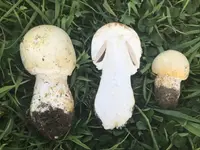
Salt-loving Agaricus Care (Agaricus bernardi)

Salt-loving Agaricus

About Salt-loving Agaricus

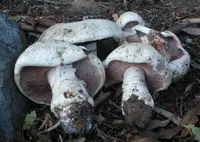
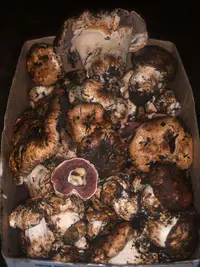
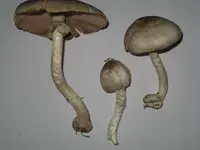
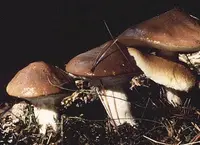
Salt-loving Agaricus, Agaricus bernardi, is a saprophytic mushroom that breaks down organic matter in salty or coastal soils. It forms compact, white to grayish caps with thick stems and a sturdy, fleshy texture. Gills start pale and darken as spores mature.

This species naturally occurs in coastal regions and inland saline soils, often in disturbed or human-influenced habitats. It is not a typical home cultivation species and can be challenging to maintain without consistently saline, well-drained substrate.

Those who wish to learn how to care for Salt-loving Agaricus should understand its strong preference for full light, open sites, moderate moisture, and soils or substrates with elevated salt content.


Main Plant Requirements

Care Difficulty

Hard Care

Light Preference

Partial Shade

Water Requirements

Keep Soil Moist

Temperature Preference

Warm Climate

Hardiness Zone

Unknown

Soil Texture

Sandy, Loamy, Organic-rich

Soil pH

Slightly acidic (6.5–7.0), Neutral (7.0)

Soil Drainage

Moist but well-drained

Fertilization

Minimal (feed rarely)

Get Personalized Care Plan

Scan your plant to receive care tips personalized for your specific plant

Available on iOS and Android

How to Care for the Salt-loving Agaricus

This coastal mushroom prefers bright, open conditions with some protection from harsh midday sun.

  • Provide 4–6 hours of direct morning sun or light afternoon sun, with open sky exposure similar to coastal grasslands where Salt-loving Agaricus is often found.
  • Allow light partial shade during the hottest part of the day to prevent surface drying and heat stress that can inhibit fruiting.
  • In summer, avoid intense, all-day sun that overheats the substrate; in cooler seasons, ensure less shading so the site receives maximum available light.

This species prefers evenly moist, not saturated, substrate in well-drained, sandy or salty soils.

  • Aim for consistently damp soil, allowing the top 2–3 cm to begin drying before the next thorough soaking, especially in exposed coastal sites where evaporation is high.
  • Ensure excellent drainage so water does not pool; stagnant, waterlogged conditions quickly lead to anaerobic soil and collapse of Agaricus bernardi mycelium.
  • In hot, windy weather, check moisture daily for drying cracks; in cool, wet seasons, reduce watering and watch for sour or rotten odors as signs of excess moisture.

This mushroom develops best in cool to mild conditions rather than intense heat or hard frost.

  • Maintain an ideal fruiting range of about 55–68°F (13–20°C), which supports steady mycelial activity and more reliable mushroom formation.
  • Tolerate short dips to around 40°F (4°C), but protect from hard frost below 32°F (0°C), which can damage surface mycelium and forming fruit bodies.
  • In hot periods above 77–82°F (25–28°C), provide shade and avoid heat-retaining substrates, as prolonged high temperatures can stall growth and dry the colony.

This coastal mushroom prefers moderately moist air but tolerates typical household humidity.

  • Aim for 55–70% relative humidity around the developing caps to reduce cracking and drying of tissues.
  • Tolerates short periods of drier air, but prolonged humidity below 40% can cause shriveled caps and tough stems.
  • If air is dry, lightly mist the fruiting chamber walls or use a humidity tray rather than spraying Salt-loving Agaricus directly.

Agaricus bernardi grows best in loose, well-aerated substrate that mimics sandy, slightly saline coastal soils.

  • Use a mix of composted manure, coarse sand, and a small amount of non-clumping garden soil to provide structure and nutrients.
  • Maintain a crumbly texture that drains freely yet holds some moisture; water should pass through within seconds, not sit on the surface.
  • Keep pH slightly alkaline at about 7.5–8.2, adding crushed oyster shell or agricultural lime if the substrate is too acidic.
  • Avoid dense, peat-heavy or clay-based mixes that stay wet and airless, as these favor bacterial problems and poor mycelium growth.

This species can be grown in containers if the vessel is adapted for shallow, horizontal mycelium spread.

  • Choose a wide, low bin or tray at least 15–20 cm deep so the substrate layer allows lateral colonization without compaction.
  • Drill multiple side and base drainage holes, then elevate the container on blocks so excess saline runoff cannot wick back into the substrate.
  • Use rigid plastic or food-grade tubs that retain slight moisture yet are light enough to tilt and pour off excess water quickly after soaking cycles.

Agaricus bernardi is usually foraged from nature and does not need fertilization in the wild, but controlled cultivation can benefit from modest feeding.

  • Use a low-rate balanced NPK fertilizer or well-matured compost mixed into the growing substrate before spawning.
  • During active mycelial growth, apply nutrient supplements at 1/4–1/2 strength, avoiding direct contact with developing mushrooms.
  • Limit additions to 1–2 light feedings per crop cycle to prevent high salt buildup, especially when caring for Salt-loving Agaricus.
  • Stop all supplemental feeding once fruiting bodies appear to reduce contamination risk and maintain good texture.

Pruning is not a standard practice for Agaricus bernardi, because it is a mushroom rather than a leafy or woody plant.

Cultivated Agaricus bernardi is usually managed by renewing or relocating the substrate rather than traditional repotting.

  • Transplant or refresh substrate when yields drop, contamination appears, or mycelium over-colonizes and dries at the surface.
  • Plan major substrate moves between cropping cycles rather than mid-flush to avoid stress and yield loss.
  • Prepare a new, pasteurized, well-drained, slightly saline substrate before moving colonized material, matching moisture and temperature as closely as possible.
  • Handle blocks or trays gently, limiting exposure to open air and drafts to reduce contamination and mycelial damage.

Propagation of Agaricus bernardi is done through spores or, more reliably, through mycelial culture rather than typical plant methods.

  • Use pure spawn produced on grain or composted substrate in sterile lab conditions, as home production is prone to contamination.
  • In controlled setups, inoculate pasteurized substrate in late spring or in a stable indoor environment at suitable temperatures.
  • Maintain high humidity, moderate airflow, and clean tools during inoculation so mycelium can colonize uniformly.
  • Spore-based propagation is mainly for strain development; most growers rely on established spawn from reputable suppliers.

Outdoor beds of Agaricus bernardi may slow or stop fruiting in cold conditions, but the mycelium can persist if the substrate does not freeze solid.

  • In regions with frost, add a 5–8 cm layer of straw or leaf mulch over the bed to insulate the substrate.
  • Avoid waterlogging in winter by ensuring good drainage around the cultivation area.
  • Container-based systems are best kept in a cool, frost-free outbuilding or garage to stabilize temperature.

Care Tips

Saline substrate management

Blend non-iodized sea salt or rock salt into the compost at a low, measured rate and monitor electrical conductivity with a soil EC meter to keep salinity in the optimal range for this salt-tolerant mushroom while avoiding levels that suppress yield.

Targeted casing hydration

Mist only the casing layer with clean, non-chlorinated water using a fine sprayer, keeping it evenly moist but never waterlogged so the developing pins do not rot or dry out at the surface.

Controlled fresh air exchange

Introduce brief, regular fresh air exchanges in the growing room or tent to lower CO₂ levels without causing strong drafts, which helps maintain cap shape and good texture in the fruiting bodies.

Hygienic harvest technique

Twist and lift each mushroom at the base rather than cutting, then gently fill the resulting hole with clean casing to limit contamination and support successive flushes.

Salinity-adapted rotation

After a growing cycle, use the spent, salty substrate only for halophytic or salt-tolerant plants and not for typical garden beds, since caring for Salt-loving Agaricus leaves the medium too saline for most ornamentals and vegetables.

Common Pests and Diseases

Dry bubble

This disease causes distorted, overgrown, or cauliflower-like white masses on mushroom caps and stems, often with brown lesions as it ages. Symptoms include reduced yields and many misshapen or aborted mushrooms.

Solution

Remove and discard all affected mushrooms and surrounding casing or substrate, then carefully spot-drench the area with a labeled prochloraz-manganese or similar dry bubble fungicide while avoiding healthy fruiting bodies. Improve hygiene by disinfecting tools, trays, and surfaces, controlling flies that spread spores, and reducing handling of wet caps to lower future infections when growing Salt-loving Agaricus.

Wet bubble

This disease produces soft, watery, blister-like masses on mushrooms that may turn gray-brown and slimy, often with a sweet or fishy odor. Symptoms include patches of deformed mushrooms that collapse quickly and contaminate nearby substrate.

Solution

Immediately remove affected clusters with surrounding casing, place in sealed bags, and dispose of them away from the grow room. Lower free water on caps by adjusting misting, increase ventilation, and apply a targeted benzimidazole or similar approved fungicide to affected areas while maintaining strict hygiene and fly control.

Green mold (Trichoderma)

This disease shows as aggressive white mycelium on casing or compost that soon turns bright to dark green as spores develop, often outcompeting mushroom mycelium and stopping fruiting. Symptoms include patchy crop loss and a strong mushroom or earthy odor from dense mold growth.

Solution

Cut out and remove contaminated substrate with a margin of healthy material and discard it in sealed bags, then spot-treat the exposed area with a suitable disinfectant or salt-lime mix while avoiding contact with healthy mycelium. Improve compost pasteurization, casing hygiene, and air filtration, and avoid over-wet, compacted substrate that favors mold spread.

Sciarid flies

These insects are small dark flies whose larvae feed on mushroom mycelium and developing pins, causing poor pinset, hollow stems, and entry wounds that invite secondary infections. This pest often builds up rapidly in warm, humid rooms with organic debris.

Solution

Use fine mesh screens and sticky traps to monitor and reduce adult populations, and apply a targeted biological larvicide such as Bacillus thuringiensis israelensis or entomopathogenic nematodes to the substrate according to label directions. Keep floors, walls, and equipment clean and dry, promptly remove spent substrate, and seal gaps where flies enter or breed.

Mite infestations

These pests are tiny arthropods that may feed on mycelium, developing pins, or decaying matter, sometimes visible as moving dust on casing or stems. Symptoms include poor mushroom development, scarred caps, and a gritty feel on surfaces.

Solution

Remove and discard heavily infested trays or blocks, then clean and heat-sanitize reusable equipment if possible. Improve storage and sanitation of compost and casing, avoid bringing in contaminated straw or manure, and, where allowed, introduce selective miticides or predatory mites that target pest mites without harming the crop.

Interesting Facts

Halophilic soil mushroom

This species naturally occurs in salty soils and coastal environments, often near salt pans or roadsides where de-icing salt accumulates, showing a rare salt tolerance among higher fungi.

Distinctive metallic odor

Fresh fruiting bodies often have a noticeable metallic or briny smell, which, together with their salty taste, helps distinguish them from many other white Agaricus species.

Thick double ring

Mature specimens develop a robust, double-layered ring on the stem, a macro feature used by mycologists to separate it from similar edible and toxic Agaricus species.

Botan icon

Did you know?

Agaricus bernardi was first described from coastal France growing on strongly saline soils, and its consistent association with high-salt habitats has made it a reference species for studying fungal adaptation to saline stress.

FAQs about Salt-loving Agaricus

This coastal mushroom is considered edible but is not widely collected due to its often strong, salty, sometimes unpleasant taste and variable quality. Accurate identification by an experienced mycologist is essential before any wild mushroom is eaten.

Grow Healthy Plants with Botan Care

Keep your plants happy and healthy with plant identification, disease detection, and easy care guidance.

Botan plant care app — identify plants on mobile

Explore More Plants