Coprinopsis uliginicola Care

Coprinopsis uliginicola

About Coprinopsis uliginicola

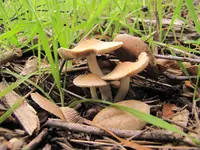
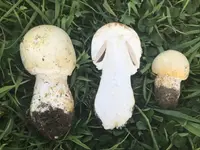
Coprinopsis uliginicola is not a plant but a small, short-lived mushroom in the ink cap group. It produces delicate, bell-shaped caps that quickly darken and dissolve into an inky fluid, a process called deliquescence.

This species is usually found in wet, boggy habitats, often on very damp soil or decaying organic matter. It tends to appear in cool, moist conditions and can be quite localized and hard to spot.

Because it is a specialized fungus with narrow habitat needs, it is not considered easy to cultivate at home. Anyone wanting to learn how to care for Coprinopsis uliginicola should understand that it depends on consistently saturated substrates and naturally high humidity to complete its life cycle.


Main Plant Requirements

Care Difficulty

Hard Care

Light Preference

Partial Shade

Water Requirements

Keep Soil Moist

Temperature Preference

Cool Climate

Hardiness Zone

Unknown

Soil Texture

Peaty, Organic-rich

Soil pH

Acidic (5.5–6.5)

Soil Drainage

Waterlogged tolerant

Fertilization

Minimal (feed rarely)

Get Personalized Care Plan

Scan your plant to receive care tips personalized for your specific plant

Available on iOS and Android

How to Care for the Coprinopsis uliginicola

This small wetland fungus prefers cool, softly lit sites rather than direct strong sun.

  • Provide 2–4 hours of weak, low-angle light such as early morning sun, with the rest of the day in bright shade or dappled woodland light.
  • Avoid strong midday or afternoon sun, which can dry the substrate quickly and shorten Coprinopsis uliginicola fruiting; use taller vegetation or shade cloth as a screen.
  • In summer, prioritize filtered light under grasses or shrubs; in cooler months, slightly more open exposure is acceptable if the substrate stays moist.

This species develops best in consistently moist to wet substrates, similar to natural marsh or bog edges.

  • Keep the top 2–5 cm of soil or organic substrate moist at all times, never allowing it to dry out completely between wetting cycles.
  • Use soil or peat-rich mixes that hold water yet are not stagnant; slight surface sheen or glistening moisture is acceptable but standing pools should drain slowly away.
  • Reduce added water only in cooler seasons if natural rainfall keeps the ground wet; pale, shriveling caps suggest drying, while sour odor and slimy substrate indicate excess saturation.

This fungus favors cool to mild conditions and declines quickly in temperature extremes.

  • Aim for 50–68°F (10–20°C) during active growth, which supports stable moisture and slow substrate drying for reliable fruiting.
  • Short exposures down to 32°F (0°C) may be tolerated in the substrate, but repeated hard frosts or frozen ground sharply reduce visible mushrooms.
  • Above 77°F (25°C), especially with full sun, caps collapse rapidly; provide shade and high moisture during hot spells, and expect better flushes in cool spring or autumn weather.

This species prefers consistently moist, high-humidity conditions similar to wet meadows or marsh edges.

  • Aim for 70–90% humidity, as drier air quickly desiccates the delicate fruiting bodies.
  • Low humidity causes caps to dry, shrivel, and liquefy faster than usual, shortening the observable life of the mushrooms.
  • Increase humidity by using covered propagation trays, frequent fine misting, or a humidity tent while maintaining fresh air exchange.

This fungus thrives in saturated, organic-rich substrates rather than typical potting soil.

  • Use a soft, highly organic medium such as decomposed leaf litter, peat, and well-rotted compost mixed with a small amount of sand.
  • Keep the substrate consistently wet to poorly drained, mimicking boggy or marshy ground conditions.
  • A slightly acidic pH around 5.5–6.5 suits Coprinopsis uliginicola, so avoid strongly alkaline mineral soils.
  • Do not compact the substrate; maintaining a loose, spongy structure ensures oxygen reaches the mycelium despite high moisture.

This species is difficult but possible to grow in containers for experimental or educational purposes.

  • Choose a wide, shallow tub-style container to spread a thin, saturated substrate layer that mimics waterlogged ground.
  • Drill side ventilation holes above substrate level so air exchange occurs without allowing the substrate surface to dry out quickly.
  • Place the container inside a larger humidity chamber or covered tray to stabilize moisture and prevent rapid evaporation from exposed edges.

This small wetland inkcap fungus grows on nutrient-rich organic matter and does not benefit from routine fertilization in garden or indoor culture.

Coprinopsis uliginicola does not require pruning, since mushroom fruiting bodies are short-lived and naturally decompose after spore release.

Transplanting focuses on maintaining a consistently moist, organic substrate rather than root handling, since this species is a saprophytic fungus, not a typical potted plant.

  • Move colonized substrate only when growth slows or the container is fully colonized and drying quickly.
  • Transplant during mild temperatures, avoiding heat waves or freezing periods to limit mycelium stress.
  • Shift the entire colonized block into fresh, damp, nutrient-rich organic material without breaking it apart.
  • Keep the new container shaded and evenly moist for several days to help the mycelium re-establish.

Propagation relies on spores or mycelium transfer rather than stem cuttings or division used for vascular plants.

  • Use mature caps for spore prints, then inoculate sterile, moist, nutrient-rich substrate with collected spores.
  • Work in the cleanest conditions possible to limit contamination from other fungi and bacteria.
  • Maintain cool to mild temperatures and high humidity during colonization to support steady mycelial growth.
  • Once the substrate is fully colonized, expose it to fresh air, indirect light, and consistent moisture to trigger fruiting.

Outdoor colonies in suitable climates usually persist in the substrate without special winter care, while fruiting pauses in unfavorable conditions.

  • In cold regions, leave undisturbed organic litter or mulch over the colonized area to buffer temperature swings.
  • For container culture, keep the substrate just barely moist and store in a frost-free but cool, shaded place.
  • Avoid repeated freeze–thaw cycles of very wet substrate, which can damage mycelium over time.

Care Tips

Use fresh substrate

Prepare small test trays of fresh, well-pasteurized, high-organic substrate (such as peat-rich or leaf-mold mixes) shortly before inoculation, since this fungus fruits best on recently prepared, microbially active material rather than old, compacted media.

Control moisture pulses

Maintain the substrate just evenly moist, then create a slight moisture pulse with a fine mist or brief bottom-watering 12–24 hours before expected fruiting, as this change in water availability can help trigger more synchronized mushroom emergence.

Optimize air exchange

Provide gentle but continuous air movement around culture trays using a small fan set on low away from direct airflow, which reduces CO₂ buildup and supports straighter, less fragile fruit bodies.

Harvest at prime stage

Check trays several times a day during active fruiting and harvest mushrooms when caps are fully expanded but before they start to ink and dissolve, using clean scissors to cut at the base to avoid disturbing nearby pins.

Rotate fruiting containers

Cycle multiple shallow trays so only some are in fruiting conditions at any time, which helps extend the overall harvest window when growing Coprinopsis uliginicola in a controlled environment.

Common Pests and Diseases

Competing saprobic fungi

This disease involves other fast-growing saprobic fungi colonizing the same wet organic substrate and outcompeting the mushroom mycelium. Symptoms include sparse or no Coprinopsis fruiting, heavy growth of unfamiliar molds or mushrooms, and patchy mycelium in the substrate.

Solution

Remove and discard heavily overgrown substrate and restart with fresh, well-pasteurized or freshly prepared organic material suited for growing Coprinopsis uliginicola. Reduce nutrient overload, keep the substrate evenly moist but not waterlogged, and avoid introducing outside spores by limiting exposure to wind, unfiltered soil, and unclean tools.

Bacterial blotch

This disease produces slimy, water-soaked spots on caps and stems that can turn brown or dark and collapse quickly in very wet conditions. Symptoms include sour odor, surface slime, and rapid breakdown of young fruiting bodies in overly humid or stagnant air situations.

Solution

Discard affected mushrooms and any obviously contaminated substrate, then improve air movement and reduce surface wetness by avoiding overhead misting and standing water. Keep humidity high but not condensing on caps, use clean water and tools, and remove decaying plant debris that can harbor bacterial populations.

Fungus gnats

These insects lay eggs in very moist, organic substrates and the larvae feed on fungal mycelium and developing fruiting bodies. This pest often causes weak, deformed, or aborted mushrooms and may be seen as small flies hovering over the culture or wet ground.

Solution

Physically cover the substrate with fine mesh to block adult gnats, and reduce excess standing moisture while keeping the substrate only evenly damp. Remove decaying plant matter nearby, use yellow sticky traps to capture adults, and if grown in containers, allow the upper substrate layer to dry slightly between heavy waterings to interrupt the life cycle.

Mite infestation

These insects are tiny arthropods that can graze on mycelium and young caps, leaving pitted or scarred tissue and reduced fruiting. Symptoms include very small moving specks on the substrate or caps and slowed or patchy mycelial growth.

Solution

Discard heavily infested cultures and start with clean substrate and equipment to break the cycle. For mild cases, cool the growing area slightly, reduce excess moisture on surfaces, remove visibly damaged fruiting bodies, and keep the fruiting zone cleaner by removing old mushrooms promptly to limit mite reproduction.

Interesting Facts

Preference for wet soils

This inkcap mushroom is typically found in very wet, organically rich soils, often along the edges of bogs, marshes, or other waterlogged habitats, which is reflected in its species name uliginicola, meaning dwelling in marshy places.

Small, delicate fruiting bodies

Its fruiting bodies are usually quite small and fragile, with thin caps that quickly deliquesce, or dissolve into an inky fluid, a characteristic process in many Coprinopsis species that aids in spore dispersal.

Association with mossy sites

Field observations often record this species growing among mosses in saturated ground, suggesting it favors microhabitats where moss retains moisture and organic debris around its fine mycelium.

FAQs about Coprinopsis uliginicola

This fungus develops extremely quickly. Small pins can appear overnight and reach full size within hours under moist conditions. Once mature, caps liquefy and disappear within 1–2 days, so fruiting is brief and highly ephemeral.

Grow Healthy Plants with Botan Care

Keep your plants happy and healthy with plant identification, disease detection, and easy care guidance.

Botan plant care app — identify plants on mobile

Explore More Plants