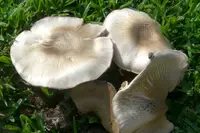
girdled webcap Care (Cortinarius trivialis)

girdled webcap

About girdled webcap

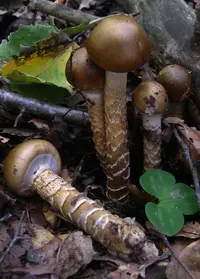
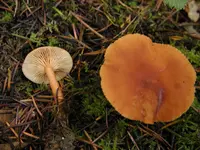
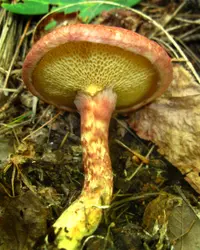
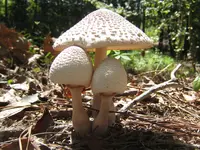
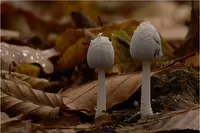
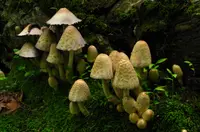
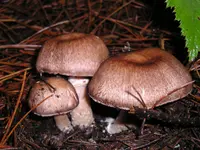
Girdled webcap, Cortinarius trivialis, is a wild mushroom species, not a typical houseplant or garden ornamental. It forms medium-sized brown to yellow-brown caps with a slimy surface when wet and pale gills that darken as spores mature.

This fungus grows on the ground in damp woodlands and forest edges, especially in cooler temperate regions of the Northern Hemisphere. It often associates with birch and other deciduous trees.

The species is considered difficult and impractical to cultivate at home because it depends on complex root partnerships with trees. For anyone wanting to learn how to care for girdled webcap, the focus is mainly on understanding and conserving its natural woodland habitat rather than active cultivation.


Main Plant Requirements

Care Difficulty

Hard Care

Light Preference

Partial Shade

Water Requirements

Keep Soil Moist

Temperature Preference

Cool Climate

Hardiness Zone

Unknown

Soil Texture

Loamy, Silty, Organic-rich

Soil pH

Acidic (5.5–6.5)

Soil Drainage

Moist but well-drained

Fertilization

Minimal (feed rarely)

Get Personalized Care Plan

Scan your plant to receive care tips personalized for your specific plant

Available on iOS and Android

How to Care for the girdled webcap

This woodland mushroom prefers cool, subdued light rather than open, direct sun.

  • Provide bright shade or dappled light under trees, with no more than 1–2 hours of weak early-morning sun reaching the area.
  • Choose sites that receive filtered light for most of the day; girdled webcap fruiting bodies often appear along edges of paths where canopy cover is 50–80%.
  • Avoid hot afternoon sun, which dries the leaf litter and soil surface, reducing humidity and sharply limiting fruiting in warm seasons.

Cortinarius trivialis relies on consistently moist, not waterlogged, forest soils.

  • Aim for soil that stays evenly damp 5–10 cm below the surface; the top 1–2 cm can dry slightly between rains without harming the mycelium.
  • In dry periods, supplemental watering is only useful where this species is encouraged, applying slow, deep soaking so water drains through without puddling.
  • Watch for stagnant, sour-smelling soil as a sign of overwatering and poor aeration, which can suppress fungal activity and reduce mushroom formation.

This species is adapted to cool, temperate conditions rather than sustained heat.

  • Optimal fruiting typically occurs around 50–65°F (10–18°C), common in cool, moist autumn weather in temperate forests.
  • The underlying mycelium tolerates cool soils down to about 32°F (0°C), but visible mushrooms are usually absent during hard frost periods.
  • Prolonged heat above 77–82°F (25–28°C) with dry soil sharply reduces fruiting, so shaded, humid sites buffer temperature swings through summer.

Humidity management is not a meaningful factor for Cortinarius trivialis cultivation, which depends instead on correct host trees and outdoor forest-like conditions.

This ectomycorrhizal fungus relies on undisturbed, natural forest soil rather than prepared mixes.

  • Native, moist, fine-textured mineral soil with a deep organic litter layer supports the mycelium that partners with tree roots.
  • Soil should drain freely yet stay consistently moist, avoiding standing water, waterlogging, or extreme drying and cracking.
  • A slightly acidic pH around 5.0–6.0, typical of coniferous or mixed woodland, favors Cortinarius trivialis over calcareous, high-pH ground.
  • Maintain structure by avoiding tilling and heavy compaction so pore spaces remain open for gas exchange and mycelial spread.

This mushroom is not suitable for container growing because it depends on complex, long-term associations with living tree roots in natural soil.

Cortinarius trivialis is a wild ectomycorrhizal fungus that normally obtains nutrients through its tree partners and usually does not need fertilization.

Cortinarius trivialis does not require pruning because the mushroom is only the fruiting body of an underground fungal network.

This species is not suited to typical repotting, since Cortinarius trivialis forms complex mycorrhizal associations with trees in natural soil.

  • Avoid container culture; instead, focus on conserving or restoring suitable woodland habitat with compatible host trees.
  • Do not attempt frequent transplanting, as disturbing the soil can damage the hidden mycelium and reduce future fruiting.
  • If moving habitat soil for study, transfer a small intact soil block with minimal disturbance and keep moisture levels stable.

Propagation of Cortinarius trivialis is difficult and rarely attempted outside scientific research, since it depends on specific mycorrhizal relationships.

This woodland fungus is naturally cold hardy in its native range and needs no special winter protection in the ground.

Care Tips

Substrate site inoculation

Prepare a shaded, moist patch with mixed hardwood leaf litter and mildly acidic, low-fertility soil, then work small pieces of infected root or purchased spawn 5–10 cm deep around the roots of young birch, willow, or poplar to encourage a stable mycorrhizal association.

Host tree management

Keep host trees moderately vigorous but not overfertilized by avoiding high-nitrogen lawn fertilizers within 2–3 m of the trunk, as excessive nutrients reduce mycorrhizal formation and can sharply lower fruiting of girdled webcap.

Moisture buffering mulch

Apply a 3–5 cm layer of mixed, partially decomposed hardwood leaf litter and untreated wood chips around the host tree drip line to buffer soil moisture and temperature without smothering surface roots, improving conditions for sporocarp formation.

Disturbance-free fruiting zone

Once a patch has fruited, mark the area and avoid raking, deep digging, or heavy foot traffic within at least 0.5–1 m, since intact fungal mycelium and fine roots are critical for reliable future crops when growing girdled webcap.

Spore dispersal support

After caps mature and begin to collapse, leave several fruiting bodies in place or gently crumble old caps across the same host area so that spores can settle into suitable microsites and slowly expand the colony.

Common Pests and Diseases

slug grazing

This pest commonly feeds on young fruiting bodies, leaving irregular bite marks and slime trails on caps and stems. Symptoms include missing sections of tissue and shredded margins, especially in damp, low-light sites.

Solution

Hand-pick slugs during evening or early morning, reduce nearby ground cover that shelters them, and use physical barriers such as copper rings or rough mineral grit around the fruiting area. Avoid broad chemical slug pellets in natural habitats to limit non-target damage to other fungi and soil fauna.

fungivorous fly larvae

These insects lay eggs on or inside developing mushrooms, and the larvae tunnel through the flesh, causing soft, watery, or hollow stems and caps that collapse quickly. Symptoms include small entry holes, internal tunnels, and premature decay of the fruiting body.

Solution

Remove and dispose of heavily infested fruiting bodies to interrupt the life cycle, and avoid leaving decaying mushrooms on site where possible. In managed collection areas, harvest promptly at young stages and maintain good air movement to make conditions less favorable for adult flies.

bacterial soft rot

This disease causes sections of the cap or stem to turn slimy, foul-smelling, and translucent, especially after mechanical damage in wet conditions. Symptoms include rapid tissue collapse, surface wetness, and strong odor.

Solution

Discard affected fruiting bodies and avoid handling or transporting mushrooms when very wet to reduce bruising and entry points for bacteria. In collection or study areas, space stored specimens with absorbent material so excess moisture does not accumulate and promote further bacterial spread.

parasitic Hypomyces infection

This disease is caused by parasitic fungi that colonize the mushroom surface, forming white to colored crusts that distort or replace the gills and cap tissue. Symptoms include powdery or crusty overgrowth, loss of normal spore-producing surfaces, and misshapen fruiting bodies.

Solution

Remove and discard infected mushrooms to limit local spread of spores from the parasite. Avoid disturbing or transporting contaminated material and, when documenting or studying, keep infected specimens separate from healthy ones to prevent cross-contamination.

mollusk rasping damage

These pests, mainly snails and smaller slugs, scrape off the upper cap surface, leaving shallow, rough feeding patches and sometimes exposed flesh that dries or becomes infected secondarily. Symptoms include finely textured grazing marks without deep bites and visible mucus trails nearby.

Solution

Collect and relocate snails and small slugs away from key observation or collection areas, and reduce dense mulch or debris where they hide. Where practical, place coarse sand, crushed eggshells, or similar abrasive materials around the base area to discourage mollusk movement without introducing toxic substances when caring for girdled webcap in managed habitats.

Interesting Facts

Distinctive viscid cap

This species has a strongly slimy, yellow-brown to ochre cap when moist, which dries to a duller surface but often keeps a slightly greasy feel, helping mycologists separate it from many similar Cortinarius species in the field.

Characteristic habitat preference

Cortinarius trivialis typically fruits in moist, often nutrient-poor soils of northern and boreal regions, especially in association with birch and other deciduous trees, making habitat and tree partners key clues for correct identification.

Pale, banded stem

The stem is usually pale with faint, girdle-like zones of cortina remnants and rusty-brown spore deposits, a combination of traits that helps distinguish it from other brown- and yellow-capped webcaps when using standard field guides.

FAQs about girdled webcap

This mushroom is considered poisonous and must not be eaten. It contains harmful compounds that can damage the kidneys and other organs. Foraging errors are common, so avoid consumption and teach children not to touch or taste wild fungi.

Grow Healthy Plants with Botan Care

Keep your plants happy and healthy with plant identification, disease detection, and easy care guidance.

Botan plant care app — identify plants on mobile

Explore More Plants