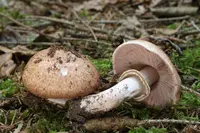
Painted Suillus Care (Suillus spraguei)

Painted Suillus

About Painted Suillus

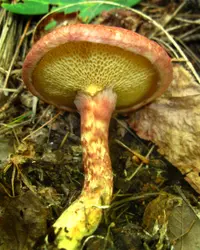
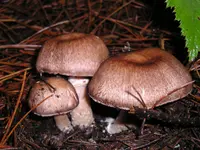
Painted Suillus (Suillus spraguei) is a mycorrhizal mushroom that forms a partnership with pine tree roots. It is not a typical houseplant but a forest-dwelling fungus. The cap shows striking red to pink tones with yellow patches, while the underside has yellow pores instead of gills.

This species naturally occurs in eastern North American pine forests, often appearing in small groups on the ground near host trees. It tends to fruit seasonally when soil moisture and temperature are suitable.

Because it depends on living pines and specific soil fungi, it is challenging to cultivate at home, and attempts to care for Painted Suillus in pots are rarely successful.


Main Plant Requirements

Care Difficulty

Hard Care

Light Preference

Partial Shade

Water Requirements

Regular Water

Temperature Preference

Cold Hardy

Hardiness Zone

3–7

Soil Texture

Sandy, Loamy, Organic-rich

Soil pH

Acidic (5.5–6.5)

Soil Drainage

Moist but well-drained

Fertilization

Minimal (feed rarely)

Get Personalized Care Plan

Scan your plant to receive care tips personalized for your specific plant

Available on iOS and Android

How to Care for the Painted Suillus

This mycorrhizal mushroom prefers dappled woodland light rather than open sun exposure.

  • Provide 2–5 hours of gentle morning sun with bright, filtered shade the rest of the day under pines or mixed forest canopy for Painted Suillus.
  • Site Suillus spraguei where it receives partial shade; dense afternoon shade helps prevent drying of the forest floor and fruiting bodies.
  • Avoid full, exposed midday sun, which overheats soil and dries the duff layer; too little light under very dense canopy can reduce fruiting frequency.

This species depends on consistently moist, but not saturated, forest soil supported by its pine host roots.

  • Aim for soil that stays evenly moist in the top 3–5 cm; the litter layer should feel damp but not soggy when pressed by hand.
  • Ensure excellent drainage with loose, organic-rich soil; standing water, foul odor, or slimy mycelium indicate overwatering and poor aeration.
  • During hot, dry periods, supplemental moisture may be needed to prevent cracking, powder-dry duff, and shriveling fruiting bodies of Suillus spraguei.

This fungus thrives in cool to mild conditions typical of temperate pine forests.

  • Optimal fruiting occurs around 55–70°F (13–21°C), often in late spring to fall when soils stay cool and evenly moist.
  • Mycelium in the soil can survive brief drops near 25–30°F (-4 to -1°C), but hard, prolonged freezes slow activity and damage developing primordia.
  • Sustained heat above 80–85°F (27–29°C) with dry soil sharply reduces fruiting; cooler night temperatures help maintain suitable conditions.

Humidity is not a key factor for Suillus spraguei, which grows naturally in outdoor forest conditions.

Suillus spraguei forms mycorrhizal partnerships with pine roots and does best in naturally acidic, well-aerated forest soil rather than conventional potting mixes.

  • Aim for loose, sandy or sandy-loam soil with high organic matter from decomposed pine needles and leaf litter.
  • Keep drainage rapid so water never pools; a thin surface layer of coarse sand or fine gravel helps prevent compaction.
  • Target slightly to moderately acidic conditions, roughly pH 4.5–6.0, typical of coniferous woodland soils.
  • Avoid heavy clay, limed beds, or fertilized lawn soil, which disrupt the fungal–tree root relationship and can prevent fruiting.

This species is not suitable for conventional container growing, since it relies on long-term association with living pine roots in open ground.

Suillus spraguei is a mycorrhizal fungus that typically needs no fertilization when growing with suitable host pines in natural or well-prepared soil.

Suillus spraguei does not require pruning, since the visible mushroom is a temporary fruiting body, not a long-lived plant structure.

This species is rarely grown in containers; management focuses on transplanting compatible host trees rather than moving the fungus itself.

  • Plant young pine hosts in early spring or fall so roots establish before intense heat or deep cold.
  • Avoid disturbing established root zones, since the fungal mycelium is interwoven with fine feeder roots.
  • If a host tree must be moved, lift with a large root ball to retain as much mycorrhizal soil as possible.
  • Water gently after transplanting to settle soil and reduce root stress, keeping the area evenly moist, not saturated.

Propagation of Suillus spraguei is specialized and usually left to natural spore dispersal and mycorrhizal development with suitable pine hosts.

In suitable climate zones, this fungus is naturally cold hardy and requires no special winter care beyond general host tree health.

Care Tips

Site Inoculation Strategy

When establishing new colonies, mix a small amount of fresh pore tissue or spore slurry from mature caps into the upper 2–5 cm of soil near compatible pine roots rather than scattering it randomly, which keeps the inoculum concentrated where roots and fungus can contact each other.

Partner Pine Selection

Choose young, actively growing 2–5-year-old pines as hosts and avoid heavily root-bound container stock, since vigorous, outward-expanding root systems form ectomycorrhizae more quickly and support more reliable fruiting when growing Painted Suillus.

Minimal Disturbance Zone

After a patch establishes, keep a 60–90 cm radius around fruiting spots free from frequent digging, raking, or heavy foot traffic so the fine ectomycorrhizal root tips and developing mycelium remain intact.

Targeted Mulch Management

Maintain a thin, airy mulch layer of pine needles or coarse wood chips 2–4 cm deep above colonized areas and refresh it lightly each year instead of burying the soil in thick mulch, which preserves moisture and moderates temperature while still allowing gas exchange.

Fruiting Season Hygiene

During the fruiting period, harvest mushrooms by cutting cleanly at the base and remove decaying caps from the surface, which reduces breeding sites for fungus gnats and helps limit spore loads of opportunistic molds that can outcompete the mycorrhizal fungus over time.

Common Pests and Diseases

Mycophagous slugs

This pest feeds on developing fruiting bodies, often creating large ragged holes and sometimes consuming young mushrooms completely. Symptoms include shredded caps, missing margins, and slime trails on or around the fungi.

Solution

Hand-pick slugs at dusk or dawn, use beer traps or iron phosphate slug baits around but not directly on fruiting bodies, and reduce dense groundcover that shelters slugs. In garden or managed settings, creating copper barriers and keeping leaf litter slightly thinner around fruiting zones can lower grazing pressure without harming the mycelium in the soil.

Fungal parasitism (Hypomyces)

This disease is caused by parasitic fungi such as Hypomyces species that overgrow the mushroom surface, leading to discolored, deformed, or powdery caps and stems. Symptoms include a white, yellow, or reddish crust or bloom that replaces normal pore and cap texture.

Solution

Remove and discard parasitized mushrooms promptly to reduce spore spread in the immediate area and avoid handling them near healthy specimens. In managed sites, improve air movement through moderate thinning of dense low vegetation and avoid heavy overhead watering, which can create prolonged surface moisture favorable to parasitic fungi.

Maggots (fly larvae)

These insects develop inside the fruiting bodies after adult fungus gnats or other flies lay eggs in young mushrooms, causing tunnels and soft, watery decay. Symptoms include small entry holes, spongy texture, internal browning, and rapid breakdown of the cap and stem.

Solution

Harvest mushrooms as soon as they reach usable size to stay ahead of egg laying, and discard heavily infested specimens away from the main fruiting area. In semi-managed environments, reduce standing water and very wet organic debris near fruiting zones to make conditions less attractive to adult flies.

Bacterial blotch

This disease affects exposed mushroom surfaces under warm, wet conditions, causing sticky, slimy, or greasy-looking yellow to brown spots that may coalesce. Symptoms include localized softening of the tissue and sometimes a sour or unpleasant odor as decay progresses.

Solution

Limit prolonged surface wetness by avoiding overhead irrigation in cultivation-style settings and encouraging quick drying with good air movement near the forest floor or beds. Remove affected mushrooms promptly and discard them away from the site to reduce local bacterial load and avoid handling them together with healthy fruiting bodies.

Desiccation and sunscald

This abiotic disorder occurs when fruiting bodies develop in unusually exposed, hot, or windy sites, leading to cracked caps, pale or bleached surfaces, and very dry pores that fail to release spores properly. Symptoms include curled cap edges, brittle texture, and stalled or misshapen growth.

Solution

When growing Painted Suillus in a semi-managed or garden setting, maintain a light dappled shade over the fruiting zone and keep soil moisture evenly cool but not waterlogged. Use a loose mulch layer of pine needles or similar material to buffer humidity at ground level, and avoid raking away all organic cover where the fungus fruits.

Interesting Facts

Distinctive red cap

Young fruiting bodies often show a striking red to crimson cap with yellow patches, which gradually becomes more yellow or orange as the mushroom ages, making it one of the more easily recognized Suillus species in the field.

Strong pine association

This species forms ectomycorrhizal partnerships, a type of root symbiosis, almost exclusively with eastern white pine (Pinus strobus), exchanging mineral nutrients and water for sugars produced by the tree.

Staining and spore traits

The pore surface and flesh may show subtle staining reactions when handled or cut, while the spores are smooth, elliptical, and form an olive-brown spore print that helps distinguish it from superficially similar boletes.

Botan icon

Did you know?

Suillus spraguei often fruits in the same locations under mature eastern white pines year after year, reflecting the long-term stability of its underground mycelial network and its persistent mycorrhizal relationship with the host trees.

FAQs about Painted Suillus

This mushroom is considered an edible species when properly identified and thoroughly cooked. The cap skin is often peeled to reduce sliminess. As with any wild fungi, only eat specimens confirmed by an experienced mycologist to avoid confusion.

Grow Healthy Plants with Botan Care

Keep your plants happy and healthy with plant identification, disease detection, and easy care guidance.

Botan plant care app — identify plants on mobile

Explore More Plants