fragrant agrimony Care (Agrimonia procera)

Also known as: Scented Agrimony
fragrant agrimony

About fragrant agrimony

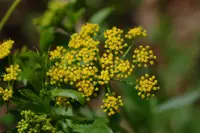
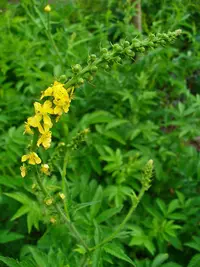
Fragrant agrimony (Agrimonia procera) is a perennial herb in the rose family, valued for its scented leaves and slender spikes of small yellow flowers. It forms upright clumps with softly hairy stems and serrated leaflets, giving a slightly wild, meadow-like look.

This species is native to parts of Europe and often grows in open woods, field margins, and grassy banks with reasonably moist, fertile soils. It is generally undemanding and can suit beginner gardeners once its basic needs are understood.

To care for fragrant agrimony, provide sun to light shade, moderately moist but free-draining soil, and space for its roots to spread without competition from very aggressive plants.

Main Plant Requirements

Care Difficulty

Easy Care

Light Preference

Full Sun

Water Requirements

Moderate Water

Temperature Preference

Cold Hardy

Hardiness Zone

5–8

Soil Texture

Sandy, Loamy, Silty

Soil pH

Slightly acidic (6.5–7.0), Neutral (7.0)

Soil Drainage

Well-drained

Fertilization

Minimal (feed rarely)

Get Personalized Care Plan

Scan your plant to receive care tips personalized for your specific plant

Available on iOS and Android

How to Care for the fragrant agrimony

Agrimonia procera grows best in bright conditions that mimic open meadows and field edges.

  • Provide 6–8 hours of sun per day, ideally with morning sun and light afternoon shade in hotter regions to reduce leaf scorch risk for fragrant agrimony.
  • Plant in an open position with at least 3–4 hours of direct sun; it tolerates light partial shade but flowering and scent decrease in too much shade.
  • In summer, protect from reflected heat near walls or paving; in cooler seasons, ensure plants are not shaded by taller vegetation as days shorten.

Agrimonia procera prefers steadily moist, well-drained soil rather than constant saturation.

  • Water when the top 2–4 cm of soil feels dry, then soak the root zone deeply so moisture penetrates 10–15 cm without leaving standing water.
  • Use soil rich in organic matter with good drainage; pooling water, algae growth, or a sour smell indicate overwatering and root stress.
  • In spring and early summer, check moisture more often as growth and transpiration increase; in cool or rainy periods, extend intervals and watch for wilting or crisp leaf edges as signs of drought.

This hardy perennial tolerates a wide temperature range typical of temperate outdoor climates.

  • Optimal active growth occurs around 60–75°F (16–24°C), with vigorous foliage and flowering under these mild conditions.
  • Mature plants usually survive down to about 0°F (−18°C) in well-drained soil; winter dieback to the crown is normal in cold regions.
  • In hot spells above 86°F (30°C), growth can slow and leaves may droop midday; mulch the root zone and ensure soil does not dry out completely to limit heat stress.

This species tolerates a wide humidity range and usually does not need special humidity control in typical outdoor conditions.

  • Target 40–60% humidity when grown in sheltered or indoor-like settings, similar to average outdoor air.
  • Dry air rarely harms fragrant agrimony, but prolonged hot, very dry winds can crisp leaf edges.
  • If foliage browns at tips and curls while soil moisture is adequate, provide wind protection or a nearby tray of evaporating water to slightly raise local humidity.

This species prefers moderately fertile, well-drained, slightly moist soil with some organic content.

  • Use a loamy mix with 40–50% garden soil, 30–40% compost, and 10–20% sharp sand to combine moisture retention with free drainage.
  • Aim for a slightly acidic to neutral pH of 6.0–7.0, which supports nutrient availability for Agrimonia procera.
  • Improve aeration and prevent compaction by incorporating coarse sand or fine grit and avoiding heavy, sticky clay structures.
  • Avoid waterlogged sites, peat-heavy mixes without grit, or very shallow, stony substrates that dry out rapidly and restrict root development.

This species can be grown in containers, but it performs best in deep, stable pots outdoors.

  • Choose a container at least 25–30 cm deep to accommodate its vertical root system and reduce stress in hot weather.
  • Select a heavy clay or ceramic pot if exposure is windy, as the tall stems can make the container top-heavy.
  • Ensure drainage holes are large and unobstructed, using a gritty mix near the base so excess water escapes quickly and roots stay aerated.

This species grows well in ordinary soil and only benefits from light feeding during the main growing season.

  • Use a balanced, slow-release fertilizer or thin layer of compost in spring for established fragrant agrimony plants in low-fertility soils.
  • Apply at 1/2 strength of label rates to avoid forcing lush, weak growth.
  • Feed once in late spring and again mid-summer if growth or leaf color appears pale.
  • Stop all fertilizer in late summer so plants harden off before winter dormancy.

Agrimonia procera responds well to light, targeted pruning that tidies the clump and supports flowering the next year.

  • Cut back spent flowering stems in late summer or early fall using clean hand pruners.
  • Remove dead, damaged, or badly crowded shoots at ground level to open the plant and improve air flow.
  • Lightly shape the outline of the clump without cutting into healthy basal growth buds.
  • In late winter, trim any winter-killed stems before new shoots emerge.

This species is usually grown in the ground, so care focuses on transplanting rather than frequent repotting.

  • Transplant Agrimonia procera in early spring or early fall when temperatures are mild and soil is moist.
  • Move plants when growth slows, clumps become congested, or roots circle a container and emerge from drainage holes.
  • Dig a wide hole, lift the root ball with minimal disturbance, and keep roots shaded and moist while out of the soil.
  • Replant at the same depth, water thoroughly, then mulch lightly to reduce root stress and moisture loss.

This plant is most commonly propagated by seed or by division of established clumps.

  • Sow fresh seeds in fall outdoors or provide 8–12 weeks of cold stratification in a refrigerator before spring sowing.
  • Use a free-draining seed mix, keep it evenly moist, and provide cool to moderate light for steady germination.
  • Divide mature clumps in early spring or early fall, ensuring each division carries healthy roots and several buds.
  • Replant divisions promptly, water well, and maintain moderate moisture until new growth is established.

This hardy perennial usually needs little special winter care in most temperate climates.

  • Tolerates typical winter frost once established, especially in well-drained soil.
  • After hard frost, cut back dead stems to a few inches to reduce disease carry-over if desired.
  • Apply a 5–8 cm mulch layer around the root zone in colder areas, keeping mulch slightly away from crowns.
  • Container-grown plants in very cold regions can be moved to an unheated but frost-sheltered area.

Care Tips

Timed coppicing

Cut back stems close to the base immediately after flowering to stimulate a flush of fresh foliage and reduce self-seeding in managed borders or meadow strips.

Seed stratification

For reliable establishment, mix seed with slightly moist sand and cold-stratify at 35–40°F for 6–8 weeks before sowing in spring, which mimics natural winter conditions and improves germination rates.

Weed-suppressing spacing

Plant in relatively dense drifts, around 25–30 cm apart, so the maturing clumps knit together and shade the soil surface, which suppresses annual weeds without heavy mulching.

Targeted slug control

Protect young rosettes with physical barriers such as copper tape around pots or fine gravel rings at soil level, since new spring growth is more vulnerable to slug and snail damage than older stems.

Rotational patch renewal

In larger plantings, lift and divide or re-sow one section every 3–4 years to maintain vigorous stands and consistent flowering, which is especially useful when growing fragrant agrimony for pollinator strips or small-scale harvest.

Common Pests and Diseases

Powdery mildew

This disease produces white, powdery patches on upper leaf surfaces, often during warm, dry periods with high humidity at night. Symptoms include distorted foliage and reduced vigor, especially in dense stands of fragrant agrimony.

Solution

Remove and dispose of heavily infected leaves to reduce spore spread, then improve air circulation by avoiding overcrowding and reducing overhead watering. If needed, apply a sulfur or potassium bicarbonate fungicide labeled for powdery mildew, treating surrounding plants as well and repeating according to label directions.

Rust

This disease causes small yellow to orange spots on upper leaf surfaces and powdery orange-brown pustules on the undersides. Symptoms include early leaf yellowing and drop, particularly in damp, crowded plantings or in wet seasons.

Solution

Promptly remove and destroy affected leaves to lower the fungal spore load, and avoid wetting foliage late in the day. In sites with recurring problems, use a preventive copper-based or other labeled rust fungicide and maintain good spacing to improve airflow.

Leaf spot

This disease shows as irregular brown or purplish spots on leaves, sometimes with pale centers and dark margins. Symptoms include gradual thinning of foliage and reduced plant vigor when many spots merge.

Solution

Cut off and discard spotted leaves and any dead plant material around the base to limit reinfection. Reduce leaf wetness by watering at soil level, and in persistent cases use a broad-spectrum foliar fungicide labeled for leaf spot on herbaceous perennials, following label timing closely.

Aphids

These insects cluster on young stems, flower spikes, and leaf undersides, sucking sap and excreting sticky honeydew. This pest can cause curled leaves, stunted shoots, and can attract sooty mold fungi on the honeydew.

Solution

Wash colonies off with a firm stream of water and pinch back heavily infested shoot tips. For ongoing issues, introduce or encourage natural predators like lady beetles and, if needed, apply insecticidal soap or a light horticultural oil, coating the undersides of leaves and repeating as required.

Leaf-mining larvae

These insects feed inside the leaves, creating pale winding tunnels or blotches between the leaf surfaces. Symptoms include cosmetic damage and, in heavier infestations, partial loss of leaf area and reduced photosynthesis.

Solution

Hand-remove and destroy mined leaves as soon as damage is seen to interrupt the life cycle. In larger plantings, encourage parasitoid wasps and other natural enemies, and if mining is severe, use a systemic insecticide specifically labeled for leaf miners, applying early in the season before peak feeding begins.

Interesting Facts

Specialist woodland herb

This species is much more restricted to damp, moderately shaded woodland and hedge-banks than the common agrimony, and in Europe it is often considered a woodland indicator where ancient hedgerow networks survive.

Distinctive hairy fruits

Its small burr-like fruits are covered with hooked bristles arranged in neat rings, which latch onto passing animals and clothing, making it an efficient woodland hitchhiker for seed dispersal.

Faint citrus-like scent

When leaves and flowering stems are gently crushed, they release a mild citrus or aromatic scent, which helps distinguish it from closely related agrimony species in the field.

FAQs about fragrant agrimony

This species is attractive to a wide range of pollinators. The small yellow flowers provide nectar and pollen for bees, hoverflies, butterflies, and other beneficial insects, supporting local biodiversity in mixed borders, meadows, and wildlife gardens.

Grow Healthy Plants with Botan Care

Keep your plants happy and healthy with plant identification, disease detection, and easy care guidance.

Botan plant care app — identify plants on mobile

Explore More Plants