Wild licorice Care (Glycyrrhiza lepidota)

Also known as: American licorice, American Liquorice
Wild licorice

About Wild licorice

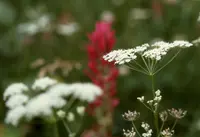
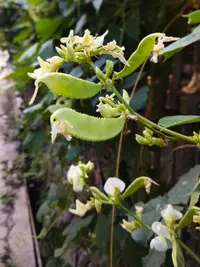
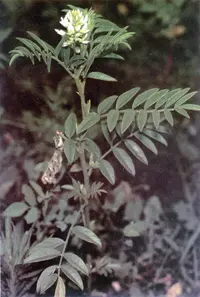
Wild licorice, Glycyrrhiza lepidota, is a perennial herb in the legume family, native to prairies, streambanks, and open woodlands across much of North America. It forms clumps of upright stems with compound leaves and produces pale, inconspicuous flowers followed by prickly seed pods.

The plant develops a deep, spreading root system with sweet-tasting roots historically used by Indigenous peoples. Once established, it tolerates drought and poor soils, which makes it relatively resilient but sometimes slow to settle in. It prefers sunny, open sites with moderately moist, well-drained soil. Understanding these natural conditions helps guide how to care for Wild licorice in gardens or restoration plantings.

Main Plant Requirements

Care Difficulty

Easy Care

Light Preference

Full Sun

Water Requirements

Moderate Water

Temperature Preference

Cold Hardy

Hardiness Zone

3–8

Soil Texture

Sandy, Loamy, Silty

Soil pH

Slightly acidic (6.5–7.0), Neutral (7.0)

Soil Drainage

Well-drained

Fertilization

Minimal (feed rarely)

Get Personalized Care Plan

Scan your plant to receive care tips personalized for your specific plant

Available on iOS and Android

How to Care for the Wild licorice

This sun-loving perennial thrives in open, bright conditions similar to its native prairies and stream banks.

  • Provide full sun for 6–8 hours daily; 4–6 hours plus bright, open sky is acceptable but reduces flowering and root vigor.
  • Tolerates light afternoon shade in hotter regions, with morning sun preferred to limit leaf scorch and moisture stress.
  • Avoid deep shade, which causes lanky stems and weak growth; in summer, gradually acclimate Wild licorice to stronger sun to reduce sunburn risk.

This deep-rooted legume prefers modest, steady moisture in well-drained soil rather than frequent shallow watering.

  • Water field-grown plants when the top 5–8 cm of soil is dry, using a deep soak so moisture reaches the rooting zone, then allow the surface to dry again.
  • During the first growing season, monitor closely in hot, dry weather; leaves that wilt by midday and stay limp in the evening signal that water is needed.
  • Avoid standing water and heavy, compacted soils; yellowing, soft foliage and a sour soil smell indicate overwatering and poor root aeration in Glycyrrhiza lepidota.

This hardy perennial tolerates a wide temperature range but grows most actively in moderate warmth.

  • Optimal growing temperatures are around 65–80°F (18–27°C), when shoot and root growth are most vigorous.
  • Established plants tolerate winter cold well, often surviving to about -20°F (-29°C) or lower when crowns are insulated by soil and mulch.
  • In summer heat above 90°F (32°C), growth can slow; ensure soil does not dry completely and avoid additional stress such as recent transplanting.

This species is adapted to relatively dry climates, so humidity is rarely a limiting factor for Wild licorice in cultivation.

This deep-rooted perennial prefers loose, well-drained, moderately fertile soil that allows its long roots to extend easily.

  • Use a sandy or sandy-loam soil with 20–30% compost to supply nutrients without becoming heavy.
  • Ensure rapid drainage; avoid compacted clay or areas that stay wet for more than 24 hours after rain.
  • Aim for a slightly alkaline to neutral pH around 7.0–8.0, which suits Glycyrrhiza lepidota in its native habitats.
  • Improve aeration by working in coarse sand or fine gravel through the top 15–20 cm of soil before planting.

This species can be grown in containers but performs best in very large, deep pots that accommodate its extensive root system.

  • Choose a container at least 40–50 cm deep to allow the long taproot to develop without circling or deforming.
  • Select a heavy, stable pot material such as thick terracotta or concrete to prevent tipping as tall stems develop.
  • Use a deep, free-draining substrate and keep the pot elevated on feet or bricks so drainage holes never sit directly in collected water.

This North American native usually needs little feeding in average to lean soil, especially in the ground.

  • For container-grown plants, use a balanced liquid fertilizer (e.g., 10-10-10) at 1/2 strength every 4–6 weeks during the growing season.
  • Apply a light top-dressing of compost in spring instead of high-nitrogen products to avoid lush, weak growth.
  • Stop fertilizing Wild licorice in late summer so growth can harden and roots prepare for dormancy.

Glycyrrhiza lepidota benefits from light, timely pruning mainly to maintain health and access.

  • Prune in late winter or very early spring before strong new growth starts.
  • Remove dead, damaged, or crossing stems at the base using clean, sharp pruners.
  • Thin crowded shoots along paths or beds to control spread and improve air flow.
  • Avoid heavy cutting of healthy stems, which can reduce flowering and stress the root system.

This species is usually grown in the ground and prefers minimal disturbance once established.

  • Plan transplanting for early spring or early fall when temperatures are mild and soil is workable.
  • Move plants only every several years, when clumps become overcrowded or growth declines.
  • Dig widely to keep as much of the deep, spreading root system intact as possible, reducing transplant shock.
  • Replant at the same depth in loose, well-drained soil, water thoroughly, then keep evenly moist until new growth resumes.

Glycyrrhiza lepidota is most often propagated by seed or division of its spreading root system.

  • Sow ripe seeds outdoors in fall or cold-stratify indoors for 6–8 weeks before spring sowing.
  • Scarify hard seed coats lightly with sandpaper to improve germination.
  • Divide established clumps in early spring, lifting a section with several buds and healthy roots.
  • Plant divisions into loose, well-drained soil, keep evenly moist, and provide full sun for strong establishment.

This hardy perennial tolerates substantial winter cold and usually needs little special care in the ground.

  • In cold regions, allow top growth to die back naturally, then cut stems to ground level in late fall or very early spring.
  • Apply a 5–8 cm layer of mulch over the root zone in colder climates to moderate soil temperature.
  • For container plants, move pots to an unheated but frost-free garage or porch to prevent root freeze-thaw damage.

Care Tips

Rhizome Containment

Install a 20–30 cm deep root barrier or plant in a large bottomless container sunk into the ground to keep spreading rhizomes from invading nearby beds while still allowing strong growth.

Managed Seed Production

If you do not want self-seeding, shear or cut back flowering stems as soon as pods begin to form, leaving a few stems only where you intentionally want seed.

Deep Harvest Technique

When harvesting roots, use a narrow spade or digging fork to loosen soil at least 30–40 cm deep around the clump so rhizomes can be lifted in long pieces with minimal breakage and regrow from remaining sections.

Soil Rehabilitation Partner

Use this plant as part of a soil improvement strip along poor or compacted areas, then chop and drop the spent top growth in late season to return organic matter to the surface and protect soil.

Targeted Pest Monitoring

Check the undersides of leaves and young shoots every 1–2 weeks during warm weather for aphids or leaf-chewing larvae, and wash them off with a strong water spray before populations build, which is an effective, low-input method when caring for Wild licorice.

Everything About Wild licorice

Common Pests and Diseases

Pea aphids

This pest commonly colonizes new shoots and leaf undersides, sucking sap and causing curling, yellowing, and sticky honeydew on wild licorice stems and leaves.

Solution

Rinse colonies off with a firm stream of water, then spot‑treat remaining clusters with insecticidal soap or a neem oil spray, repeating every 5–7 days until numbers drop. Encourage lady beetles and lacewings by avoiding broad‑spectrum insecticides in the surrounding area.

Cutworms

These insects feed at or just above the soil surface, chewing off young wild licorice seedlings or severing stems at night.

Solution

Place collars made from cardboard or plastic around young plants to block access to stems and keep surrounding soil free of dense weeds and debris. In heavier infestations, handpick cutworms in the evening using a flashlight or use Bacillus thuringiensis (Bt) granules on the soil according to label directions.

Leaf spot

This disease causes small brown to dark purplish spots on leaves that may enlarge and lead to premature leaf drop, especially in dense or humid stands of wild licorice.

Solution

Remove and dispose of heavily spotted leaves and any infected plant debris to reduce fungal spores. Improve air circulation by thinning crowded plants and avoid overhead watering so foliage dries quickly.

Powdery mildew

This disease produces a white, powdery coating on upper leaf surfaces, which can cause leaf distortion and reduced vigor during warm, dry periods with cool nights.

Solution

Prune to open the plant canopy and space plants to improve airflow, then treat affected foliage with a potassium bicarbonate or sulfur-based fungicide if needed. Water at soil level in the morning and remove severely affected leaves to slow spread.

Interesting Facts

Nitrogen-fixing prairie legume

This North American native legume forms root nodules with Rhizobium bacteria that convert atmospheric nitrogen into plant-available forms, enriching poor or disturbed soils across prairies, open woods, and riverbanks.

Deep storage root system

The plant develops long, fleshy roots and rhizomes that store carbohydrates and allow it to resprout after grazing, fire, or drought, helping stabilize soils in semi-arid habitats.

Specialist butterfly host

Its foliage serves as a larval host for several checkerspot and sulfur butterflies, supporting localized insect communities in native grassland and riparian ecosystems.

Botan icon

Did you know?

Indigenous peoples across the Great Plains and Intermountain West traditionally used the sweet-tasting roots of this species as a flavoring and chewing stick, distinguishing it from the unrelated but more commercially known Eurasian licorice species.

FAQs about Wild licorice

This species spreads by deep, creeping rhizomes and can become locally aggressive in loose soils. Use root barriers, raised beds, or containers and divide clumps regularly if you want to limit its spread in smaller gardens.

Grow Healthy Plants with Botan Care

Keep your plants happy and healthy with plant identification, disease detection, and easy care guidance.

Botan plant care app — identify plants on mobile

Explore More Plants