South African geranium Care (Pelargonium sidoides)

Also known as: African Geranium, South African Geranium, Black Storksbill
South African geranium

About South African geranium

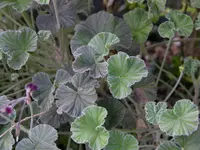
South African geranium (Pelargonium sidoides) is a compact, herbaceous perennial known for its dark, velvety, heart-shaped leaves and slender stems. It forms a low clump, often used in pots or small garden spaces.

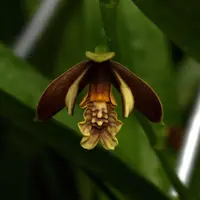
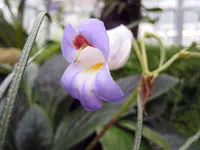
The plant produces delicate, deep maroon to purple flowers held above the foliage, giving a light, airy look. It naturally occurs in rocky grasslands and hillsides of South Africa and Lesotho, where conditions are sunny and well-drained.

Pelargonium sidoides is generally considered undemanding if given bright light, free-draining soil, and moderate watering with good drying between waterings. Its drought tolerance and compact size make it relatively straightforward for those learning how to care for South African geranium.

Main Plant Requirements

Care Difficulty

Easy Care

Light Preference

Full Sun

Water Requirements

Low Water

Temperature Preference

Warm Climate

Hardiness Zone

9–11

Soil Texture

Sandy, Loamy, Rocky

Soil pH

Slightly acidic (6.5–7.0), Slightly alkaline (7.0–7.5)

Soil Drainage

Well-drained

Fertilization

Minimal (feed rarely)

Get Personalized Care Plan

Scan your plant to receive care tips personalized for your specific plant

Available on iOS and Android

How to Care for the South African geranium

This drought-tolerant species prefers bright conditions and benefits from several hours of direct sun each day.

  • Provide 4–6 hours of direct morning sun, with light afternoon shade in hot climates to prevent leaf scorch on South African geranium.
  • Allow bright, filtered light or high bright shade for the rest of the day; plants in dense shade grow leggy and flower poorly.
  • In summer, protect from intense midday sun with shade cloth or a lightly shaded spot; in winter, move to the brightest location available to maintain compact growth.

This plant is adapted to dry conditions and prefers soil that dries out between waterings.

  • Water only when the top 3–5 cm of soil feel completely dry, then soak thoroughly so water runs through and excess can drain away.
  • Use a sharply drained mix and raised beds or mounds to prevent Pelargonium sidoides roots from standing in water, which encourages rot.
  • Reduce watering in cool or low-light seasons; yellow, mushy leaves suggest overwatering, while limp, wrinkled foliage and very light pots indicate underwatering.

This species prefers mild, dry conditions and does not tolerate hard frost well.

  • Aim for 65–80°F (18–27°C) for active growth, as these temperatures support steady foliage and root development.
  • Protect plants when temperatures drop below 32°F (0°C); brief light frost may be survived, but repeated or hard freezes can damage or kill roots.
  • In hot summers above 90°F (32°C), provide afternoon shade and good air movement, and avoid reflected heat from walls or pavement to reduce stress.

This species prefers relatively dry air and usually thrives at 30–50% humidity.

  • South African geranium tolerates centrally heated, low-humidity rooms better than many tropical houseplants.
  • Excess humidity above ~60% combined with poor air movement encourages fungal leaf spots and root problems.
  • Watch for limp, yellowing leaves and persistent surface moisture as signs humidity is too high; increase airflow rather than misting.

This plant needs a lean, sharply drained mix that mimics its rocky native habitat.

  • Use a sandy or gritty mix such as 40% cactus mix, 40% coarse sand or fine gravel, and 20% compost for moderate nutrients.
  • Ensure very fast drainage; water should run through in seconds and the top layer should dry quickly after watering.
  • Aim for slightly acidic to neutral pH around 6.0–7.0, avoiding strongly acidic or alkaline substrates that can lock up nutrients.
  • For Pelargonium sidoides, avoid heavy peat-based potting mixes that stay wet, and add extra perlite or pumice to increase aeration.

This species is well suited to container growing, especially in climates with cold winters.

  • Choose a wide, shallow pot that allows its fibrous roots and tuberous base to spread without sitting in deep, wet compost.
  • Terracotta containers help moisture evaporate faster, which protects the roots from remaining damp for long periods.
  • Elevate the pot slightly on feet or pot risers so drainage holes stay clear and excess water leaves the container quickly.

This plant benefits from light, steady feeding during its active season for compact growth and flowering.

  • Use a balanced liquid fertilizer (for example 10-10-10) at 1/4–1/2 strength every 3–4 weeks in spring and summer.
  • Alternatively, apply a low-dose slow-release fertilizer in early spring, following label rates for small containers.
  • Skip high-nitrogen lawn products; they push weak, leafy growth and fewer flowers on South African geranium.
  • Reduce or stop feeding in fall and winter when growth slows, especially in cool, low-light conditions.

Thoughtful pruning keeps Pelargonium sidoides compact, tidy, and flowering well.

  • Best timing is late winter to early spring, before strong new growth starts.
  • Use clean, sharp scissors or pruners to remove dead, damaged, or crossing stems at their base.
  • Lightly shorten leggy shoots to shape the plant and encourage bushier growth with more flowering tips.
  • Deadhead spent flower stems close to the base to extend the blooming period and reduce seed set.

Container-grown plants prefer infrequent repotting and gentle handling of their fibrous roots.

  • Repot only when roots circle the pot, growth slows despite good care, or water runs straight through quickly.
  • Plan repotting for early spring, moving up just 1 pot size every 2–3 years using a gritty, well-drained mix.
  • Loosen the root ball lightly with fingers instead of tearing thick roots; avoid washing off all existing soil.
  • Water well after potting, then allow slight drying between waterings to limit rot risk and transplant shock.

New plants are most commonly raised from softwood cuttings, with seeds used less often.

  • Take 7–10 cm non-flowering stem cuttings in late spring or early summer, just below a node.
  • Strip lower leaves, dip the cut end in rooting hormone, and insert into a sterile, gritty, barely moist mix.
  • Maintain bright, indirect light, 65–75°F temperatures, and high but not dripping humidity for rooting.
  • Sow seeds on the surface of a fast-draining medium, keep lightly covered, warm, and evenly moist until germination.

This species tolerates light frost but benefits from basic winter preparation in colder climates.

  • In zones warmer than about USDA 9, plants in the ground usually overwinter with minimal intervention.
  • In cooler regions, mulch the root zone with 5–8 cm of dry material to buffer freeze–thaw cycles.
  • Move containers indoors or to a frost-free porch, giving bright light and slightly reduced watering in winter.
  • Avoid waterlogged soil in cold weather, as chilled, saturated roots are prone to rot and decline.

Care Tips

Encourage Compact Growth

Pinch back soft shoot tips several times in early spring to keep plants low, dense, and better able to handle wind and light drought without lodging or snapping.

Seasonal Container Refresh

For plants grown in pots, gently lift and root-prune the outer 1–2 cm of the rootball every 1–2 years in late winter, then repot in fresh mix to maintain vigor and prevent the plant from becoming woody and unproductive.

Winter Protection Strategy

In regions with cold, wet winters, grow plants in clay containers that can be moved under a dry, bright porch or cold frame, which keeps the crown from rotting while still allowing cool conditions that support natural dormancy.

Targeted Pest Monitoring

Inspect the undersides of leaves and the base of stems weekly during warm weather so that early aphid, whitefly, or spider mite infestations can be managed quickly with a directed spray of water or an appropriate horticultural soap.

Harvesting for Health

If collecting leaves or roots for herbal use, always leave at least 50–60% of the foliage and never remove more than one-third of the root mass at a time so the plant can recover and continue growing South African geranium over multiple seasons.

Common Pests and Diseases

Botrytis blight

This disease often appears in cool, damp conditions, especially on dense foliage or faded flower stalks. Symptoms include grey, fuzzy mold on leaves, stems, or old flower parts, followed by soft, collapsing tissue.

Solution

Remove and discard all affected leaves, stems, and spent flower stalks, and avoid wetting the foliage when watering. Improve air circulation around the plant, reduce humidity, and, if the problem persists, use a fungicide labeled for Botrytis on ornamentals according to the product instructions.

Rust

This disease shows as small yellow spots on the upper leaf surface with orange to brown pustules on the underside. Symptoms include gradual leaf yellowing and premature leaf drop if humidity stays high.

Solution

Remove and discard affected leaves, increase spacing and airflow, and avoid overhead watering. In persistent cases, apply a rust-specific fungicide suitable for ornamental plants and monitor new growth closely as part of general Pelargonium sidoides plant care.

Geranium budworm

This pest is a caterpillar that tunnels into buds and flowers, causing distorted, chewed, or failed blooms. Symptoms include small entry holes, frass (droppings), and dropped or dried buds.

Solution

Hand-pick caterpillars in the evening, remove damaged buds, and dispose of them in the trash, not compost. For heavier infestations, use Bacillus thuringiensis (Bt) or another caterpillar-targeted product, focusing sprays on buds and flowers while following the label carefully.

Aphids

These insects cluster on soft new growth, undersides of leaves, and flower stalks, sucking sap and causing curling or distorted leaves. This pest also excretes sticky honeydew that can attract sooty mold on the foliage.

Solution

Spray the plant with a strong stream of water to dislodge colonies, then treat remaining insects with insecticidal soap or a light horticultural oil, coating leaf undersides thoroughly. Repeat treatments every 5–7 days until no new aphids appear and support natural predators outdoors when possible.

Bacterial leaf blight

This disease causes water-soaked, angular leaf spots that turn brown and may merge, leading to large dead patches and leaf drop. Symptoms include rapid spread in warm, wet conditions and possible stem streaking in severe cases.

Solution

Immediately remove and discard affected leaves, avoid overhead watering, and keep foliage dry, especially in warm weather. If the plant is badly affected, discard the entire plant to protect nearby geraniums and disinfect tools and pots with a 10% bleach solution before reuse.

Interesting Facts

Southern African specialist

This species is native to the high-altitude grasslands and rocky slopes of South Africa and Lesotho, where it grows in cold, dry winters and mild, wetter summers, unlike many frost-tender Pelargonium species. Its natural range is concentrated mainly in the Eastern Cape, Free State, and Lesotho highlands, making it an ecological specialist rather than a widespread generalist.

Underground storage strategy

It forms a thickened underground root system that functions as a storage organ, allowing the plant to survive seasonal drought and grazing pressure. This adaptation lets it resprout reliably after harsh dry periods in its native habitat.

Distinctive dark flowers

The flowers are unusually dark for the genus, ranging from deep purple to almost black, with long, narrow upper petals and much shorter lower petals. This shape and coloration are considered adaptations to its specific pollinators in its native range.

Botan icon

Did you know?

In its native habitats, this species often forms small, scattered colonies in heavily grazed grassland, showing a strong ability to persist in landscapes that experience both livestock grazing and regular natural disturbance, which makes it of interest in studies of grassland resilience and plant survival strategies.

FAQs about South African geranium

Lack of flowers usually comes from low light, excess nitrogen fertilizer, or old, unpruned stems. Provide bright conditions, use a balanced or low-nitrogen fertilizer, and lightly trim leggy growth to stimulate new flowering shoots.

Grow Healthy Plants with Botan Care

Keep your plants happy and healthy with plant identification, disease detection, and easy care guidance.

Botan plant care app — identify plants on mobile

Explore More Plants