Pinch For Bushiness
Pinch out the soft shoot tips when plants are 10–15 cm tall to encourage branching and produce a denser mound with more flowering stems.

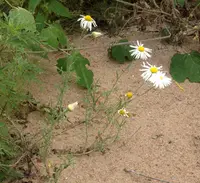
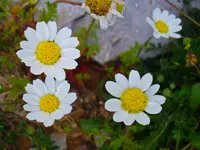
Arkansas dozedaisy, Aphanostephus skirrhobasis, is a small annual wildflower in the daisy family, valued for its simple white rays and yellow centers. It usually forms low, branched clumps that create a loose, airy look in garden beds or naturalistic plantings.
This species is native to the south-central United States and parts of Mexico, where it grows in open, often dry, sunny habitats. It is generally easy to grow, as it tolerates poor, sandy, or rocky soils and does not need heavy watering.
Gardeners who want to care for Arkansas dozedaisy should focus on providing plenty of sun and well-drained soil, avoiding sites that stay wet for long periods.

Care Difficulty
Easy Care

Light Preference
Full Sun

Water Requirements
Low Water

Temperature Preference
Warm Climate

Hardiness Zone
7–10

Soil Texture
Sandy, Loamy, Rocky

Soil pH
Slightly acidic (6.5–7.0), Neutral (7.0)

Soil Drainage
Well-drained

Fertilization
Minimal (feed rarely)
Scan your plant to receive care tips personalized for your specific plant
Available on iOS and Android
This sun-loving prairie annual thrives in open, bright conditions with long days of light.
This drought-tolerant annual prefers infrequent, deep watering over constant moisture.
This warm-season annual performs best in mild to hot conditions without prolonged cold or frost.
This species is adapted to dry prairie air, so humidity management is rarely critical for Arkansas dozedaisy.
This prairie annual prefers lean, fast-draining soil that never stays waterlogged.
This species can be grown successfully in containers outdoors when drainage and soil texture are well managed.
This native wildflower, often called Arkansas dozedaisy, usually grows well in lean soils and needs only light fertilization in gardens.
Aphanostephus skirrhobasis responds well to light, timely pruning that keeps plants compact and flowering well.
This species is most often grown in the ground, so focus on gentle transplanting rather than frequent repotting.
Aphanostephus skirrhobasis is usually propagated from seed, which suits its annual or short-lived perennial habit.
In its suitable hardiness range, this plant needs minimal winter care and often behaves as an annual in colder regions.

Plant Health Check
Not sure what's wrong with your plant? Check your plant's health inside the app.
This species naturally occurs in dry, sandy prairies and open woodlands of the south-central United States, where its deep, wiry roots help it anchor in loose, shifting soils.
Although often described as an annual in disturbed sites, it can behave as a short-lived perennial in stable habitats, resprouting from its rootstock when conditions remain favorable.
The flower heads tend to close during night or in dull weather, a behavior that helps protect the pollen and reproductive structures from excess moisture and potential damage.
This species is usually grown as a warm-season annual, completing its life cycle in 1 year. In mild climates with good drainage it may behave as a short-lived perennial, but long-term persistence is not typical in gardens.
Keep your plants happy and healthy with plant identification, disease detection, and easy care guidance.