Aquarius grandiflorus Care

Aquarius grandiflorus

About Aquarius grandiflorus

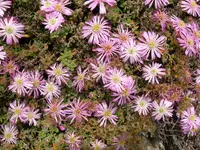
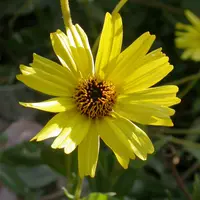
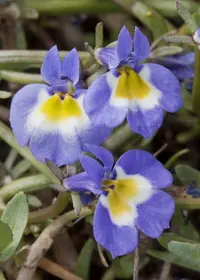
Aquarius grandiflorus is described as a flowering ornamental plant, typically grown for its showy, large blooms and structured, upright growth habit. It is usually found in mild to warm regions, often in well-drained, fertile soils.

The plant tends to form a defined clump or bushy shape, with flowers that become the main visual focus during the blooming season. These traits make it attractive as a feature plant in borders or containers.

Most sources suggest it prefers bright light, moderate moisture, and soil that drains well but does not dry out completely. Understanding these basic needs helps clarify how to care for Aquarius grandiflorus in typical home gardens.

Main Plant Requirements

Care Difficulty

Moderate Care

Light Preference

Partial Shade

Water Requirements

Moderate Water

Temperature Preference

Warm Climate

Hardiness Zone

Unknown

Soil Texture

Loamy

Soil pH

Slightly acidic (6.5–7.0)

Soil Drainage

Well-drained

Fertilization

Minimal (feed rarely)

Get Personalized Care Plan

Scan your plant to receive care tips personalized for your specific plant

Available on iOS and Android

How to Care for the Aquarius grandiflorus

This plant depends on bright light but needs protection from harsh midday sun in most climates.

  • Provide 4–6 hours of direct morning sun, then bright filtered light or light shade through the afternoon to prevent leaf scorch.
  • Tolerates partial shade (2–4 hours of direct or dappled light) but dense shade leads to weak, elongated stems and few flowers on Aquarius grandiflorus.
  • In hotter summers, increase shade from 11 a.m.–4 p.m.; in winter, allow more direct sun by trimming overhead growth or moving competing plants.

This plant prefers evenly moist, well-drained soil that never stays saturated for long periods.

  • Water when the top 3–5 cm of soil feels dry, applying enough to moisten the root zone, then let excess drain completely to avoid root rot.
  • In spring and summer growth, expect more frequent watering as soil dries faster; reduce frequency in fall and winter, using touch and soil weight as guides.
  • Watch for overwatering signs such as yellowing, soft leaves and sour-smelling soil, and underwatering signs such as limp, dull foliage and very light, shrinking soil away from roots.

This plant grows best in moderate, stable temperatures without sudden extremes.

  • Aim for 65–75°F (18–24°C) during active growth, when metabolism and root function stay most efficient.
  • It tolerates brief drops to about 45°F (7°C) but should be protected from frost, as repeated freezing can damage stems and roots.
  • In hot spells above 85°F (29°C), increase shade and airflow, and avoid dark, heat-absorbing surfaces that can overheat the root zone and stress the plant.

This species appreciates moderately humid air and reacts if kept too dry for long periods.

  • Aim for 40–60% humidity, as very dry indoor air below 30% increases leaf-edge browning risk.
  • Watch for curled, crispy leaf margins and stalled growth as signs of humidity stress rather than watering issues.
  • Increase humidity with a nearby open pebble tray or grouped plants, but avoid misting that keeps foliage wet for long periods.

Aquarius grandiflorus prefers a loose, well‑aerated substrate that drains quickly yet holds moderate moisture.

  • Use a mix such as 50% peat- or coco-based potting mix, 30% perlite or pumice, and 20% fine bark to combine moisture retention with strong aeration.
  • Aim for slightly acidic to neutral pH around 6.0–7.0, avoiding strongly alkaline substrates that can limit nutrient uptake.
  • Ensure water runs through freely in 2–4 seconds; if it lingers, add more coarse mineral components to improve drainage and oxygen around roots.
  • Avoid compacted, heavy clay or pure garden soil in containers, which promotes waterlogging, root rot, and poor root development.

This species is suitable for container growing when the pot supports its root depth and stable top growth.

  • Choose a pot slightly deeper than wide so roots anchor firmly and the plant stays balanced in wind or when watered heavily.
  • Select thick-walled terracotta or similar porous material if extra evaporation is needed, especially in cooler, low-light locations.
  • Elevate the container on feet or bricks so drainage holes stay clear and excess water exits rapidly after every watering.

This guide outlines practical fertilizer needs for Aquarius grandiflorus in typical garden or container culture.

  • Use a balanced, slow-release fertilizer (for example 10-10-10 or 14-14-14) at the start of the active growing season.
  • Apply light amounts every 6–8 weeks during growth, focusing on the root zone, not the stems.
  • Dilute any liquid feed to 1/2 strength to limit salt buildup and reduce risk of root burn.
  • Stop feeding in fall and winter when growth slows, allowing the plant to rest without excess nutrients.

Pruning of Aquarius grandiflorus is mainly aimed at maintaining structure, health, and safe growth.

  • Schedule main pruning for late winter or very early spring, before vigorous new growth begins.
  • Remove dead, diseased, crossing, or storm-damaged branches first, cutting back to healthy tissue.
  • Thin crowded interior shoots to improve light penetration and airflow, which supports balanced growth and flowering.
  • Use sharp, clean bypass pruners or a pruning saw, making smooth cuts just outside the branch collar.

Aquarius grandiflorus is more often transplanted in the ground than kept long term in containers.

  • Plan transplanting for early spring or early fall, when temperatures are mild and stress is lower.
  • Look for circling roots, roots growing from drainage holes, or noticeably slowed growth as signals to move or up-pot.
  • Shift to a container 1–2 in wider, or to a prepared garden site with well-drained soil and similar light exposure.
  • Water thoroughly after moving, then keep soil evenly moist and shade the plant lightly for 1–2 weeks to reduce transplant shock.

Propagation of Aquarius grandiflorus is typically done by seed or semi-hardwood cuttings under controlled conditions.

  • Collect ripe seeds, then sow in a well-drained sterile mix at 65–75°F with consistent moisture and gentle bottom warmth if available.
  • Take semi-hardwood cuttings in late spring or summer, 8–12 cm long, with several nodes and healthy leaves.
  • Dip the cut base in a rooting hormone, then insert into a moist, airy medium such as perlite and peat or similar mix.
  • Provide high humidity, bright indirect light, and stable warmth until roots develop, then acclimate gradually to normal conditions.

Aquarius grandiflorus in suitable hardiness zones typically needs only modest winter care in the landscape.

  • In colder regions, apply a 5–8 cm layer of mulch over the root zone, keeping it slightly away from the trunk or stems.
  • For young or marginally hardy plants, wrap the lower stem with breathable horticultural fleece or burlap during severe cold.
  • Container-grown specimens in regions with freezing winters should be moved into a sheltered, frost-free but cool, bright location.

Care Tips

Support heavy stems

Install discreet stakes or a low wire hoop early in the season so the tall, flower-heavy stems stay upright and do not split at the base in wind or heavy rain.

Pinch for bushiness

When new shoots reach 10–15 cm, pinch out just the soft tip between fingernails to encourage more branching and a denser flowering canopy later in the season.

Mulch root zone

Apply a 3–5 cm layer of fine organic mulch around, but not touching, the crown to keep roots cool, stabilize moisture, and reduce weed competition.

Monitor for root crowding

Check every 2–3 years by gently probing around the crown; if roots form a dense mat near the surface or flowering declines, lift and divide the clump in the dormant season to maintain vigor when growing Aquarius grandiflorus.

Timed deadheading

Remove fading flowers promptly by cutting back to a strong leaf node, which directs energy into new buds and extends the overall bloom period.

Common Pests and Diseases

Spider mites

This pest feeds on the undersides of leaves, causing pale stippling, dull foliage, and fine webbing between stems and leaves.

Solution

Rinse foliage thoroughly with a strong but controlled stream of water, then increase humidity and improve air circulation; if populations persist, use insecticidal soap or a horticultural oil, repeating every 5–7 days until no new damage appears.

Aphids

These insects cluster on young shoots and buds, sucking sap and causing distortion, sticky honeydew, and sometimes sooty mold on leaves.

Solution

Prune heavily infested shoot tips, wash remaining stems with water to dislodge colonies, and treat with insecticidal soap or a light horticultural oil, ensuring good coverage of tender growth and repeating as needed to break the life cycle.

Leaf spot

This disease produces small water-soaked or tan lesions on leaves that may enlarge, coalesce, and lead to premature leaf drop under humid conditions.

Solution

Remove and discard affected leaves, avoid wetting foliage during watering, improve spacing and airflow, and, if new spots continue to appear, apply a labeled copper or chlorothalonil fungicide according to Aquarius grandiflorus care instructions.

Powdery mildew

This disease appears as white, powdery patches on leaf surfaces, which can cause leaf curling, yellowing, and reduced vigor in shaded or stagnant air conditions.

Solution

Increase light and air movement around the plant, remove heavily infected leaves, avoid overhead watering, and apply a sulfur or potassium bicarbonate-based fungicide, coating both upper and lower leaf surfaces.

Mealybugs

This pest shows as white, cottony clusters in leaf axils and along stems, where it sucks sap and excretes sticky honeydew that may attract ants or lead to sooty mold.

Solution

Isolate the plant, dab visible insects with cotton swabs dipped in 70% isopropyl alcohol, rinse the plant after treatment, and follow up with several applications of insecticidal soap or horticultural oil to control any hidden or newly hatched individuals.

Interesting Facts

Scientific status unclear

The name Aquarius grandiflorus does not correspond to any currently recognized and well-documented plant species in major botanical databases or floras. It most likely represents a trade name, provisional name, or a misapplied label rather than a validly published botanical species.

Need for proper identification

Accurate information on morphology, ecology, and distribution depends on a correctly identified species. Before looking up Aquarius grandiflorus plant care, growers should confirm the accepted botanical name through a reliable source such as a herbarium, botanical garden, or authoritative plant database.

FAQs about Aquarius grandiflorus

Lack of flowering usually comes from insufficient maturity, inadequate light intensity, or nutrient imbalance with too much nitrogen and not enough phosphorus and potassium. Correcting these factors over a full growing season often restores normal bloom production.

Grow Healthy Plants with Botan Care

Keep your plants happy and healthy with plant identification, disease detection, and easy care guidance.

Botan plant care app — identify plants on mobile

Explore More Plants