Snow load management
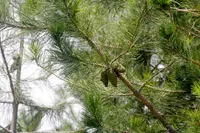
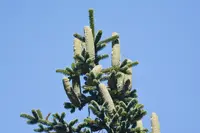
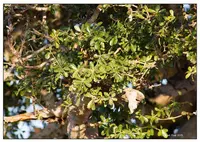
In regions with heavy, wet snow, gently brush or shake snow off branches after storms to prevent breakage, working from the trunk outward so you do not lever and crack the flexible outer shoots.

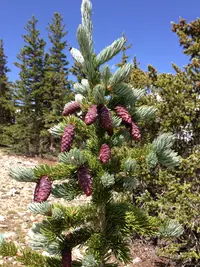
Engelmann spruce, Picea engelmannii, is a cold-hardy coniferous tree native to high mountains of western North America, especially the Rocky Mountains. It forms a tall, narrow pyramid with dense, short needles that are blue-green to silvery and slightly curved. Cones are slender and hang down from the branches. Growth is moderate, and trees can live for many decades in suitable climates. This species prefers cool summers, consistent moisture, and well-drained, slightly acidic soil, which influences how to care for Engelmann Spruce in cultivation. Its strong cold tolerance makes it suitable for colder regions but less adaptable to hot, dry lowland sites.

Care Difficulty
Moderate Care

Light Preference
Full Sun

Water Requirements
Moderate Water

Temperature Preference
Cold Hardy

Hardiness Zone
3–7

Soil Texture
Sandy, Loamy, Rocky

Soil pH
Strongly acidic (4.5–5.5), Acidic (5.5–6.5)

Soil Drainage
Well-drained

Fertilization
Minimal (feed rarely)
Scan your plant to receive care tips personalized for your specific plant
Available on iOS and Android
This high-elevation conifer performs best in bright outdoor conditions with cool summers and consistent light.
This species prefers evenly moist, cool, well-drained soil rather than frequent, shallow watering.
This cold-adapted conifer thrives in cool summers and long, cold winters typical of higher elevations.
This high-elevation conifer prefers cool, moderately moist air but adapts to typical outdoor humidity in most regions.
Picea engelmannii performs best in cool, moist, well-drained mineral soil with ample organic matter.
This species can be grown in containers only temporarily, as a short-term landscape or nursery specimen rather than a long-term potted tree.
Nutrient needs are modest, but targeted feeding supports steady growth in cultivated Engelmann Spruce.
Picea engelmannii needs minimal pruning, mainly for health and structural safety.
Engelmann spruce is usually grown in the ground; transplant carefully to avoid long-term stress.
Propagation of Picea engelmannii is usually done by seed and requires patience and cool conditions.
This spruce is naturally cold hardy and usually needs little special winter care in the ground.

Plant Health Check
Not sure what's wrong with your plant? Check your plant's health inside the app.
This spruce naturally dominates cold, subalpine forests of the central and southern Rocky Mountains, often forming the upper tree line just below areas where trees can no longer grow.
Its slender, flexible branches and narrow crown help it shed heavy mountain snow, reducing breakage and allowing the tree to survive in deep, long-lasting snowpacks.
The needles often appear bluish or silvery due to a waxy coating, which reduces water loss and protects the foliage from intense high-elevation sunlight and drying winds.

Engelmann spruce wood has long been valued for musical instruments, especially acoustic guitar soundboards, because its combination of light weight and high stiffness allows efficient vibration and a clear, resonant tone.
Growth is slow to moderate, usually 15–30 cm per year in good conditions. Young trees grow a bit faster, then slow with age. Site quality, moisture availability, and climate strongly influence overall growth rate when growing Engelmann Spruce.
Keep your plants happy and healthy with plant identification, disease detection, and easy care guidance.