lowveld milkberry Care (Manilkara mochisia)

lowveld milkberry

About lowveld milkberry

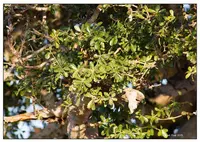
Lowveld milkberry, Manilkara mochisia, is an evergreen shrub or small tree from savanna and woodland areas of southern Africa. It is part of the sapodilla family, known for latex-rich sap and tough, glossy leaves.

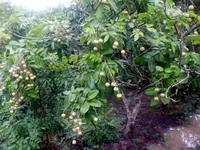
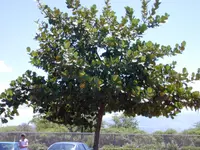
Plants usually form a dense, rounded crown with small, leathery leaves and inconspicuous flowers that can be followed by fleshy berries. Growth is generally slow to moderate, which makes it easier to manage in cultivated settings.

This species prefers warm conditions, sun to light shade, and well-drained soil, and it shows good drought tolerance once established. These traits make it relatively forgiving for growers who want to learn how to care for lowveld milkberry without complex routines.

Main Plant Requirements

Care Difficulty

Moderate Care

Light Preference

Full Sun

Water Requirements

Moderate Water

Temperature Preference

Tropical / Frost Sensitive

Hardiness Zone

10–11

Soil Texture

Sandy, Loamy, Organic-rich

Soil pH

Acidic (5.5–6.5), Slightly acidic (6.5–7.0)

Soil Drainage

Well-drained

Fertilization

Minimal (feed rarely)

Get Personalized Care Plan

Scan your plant to receive care tips personalized for your specific plant

Available on iOS and Android

How to Care for the lowveld milkberry

This evergreen shrub prefers bright, warm conditions with protection from harsh midday sun.

  • Provide 4–6 hours of direct morning sun with light, filtered shade from about 11 a.m. to 3 p.m. to protect foliage.
  • Tolerates light partial shade, but lowveld milkberry becomes sparse and flowers less if it receives under 3–4 hours of sun daily.
  • In hot, dry climates, increase afternoon shade; in cooler seasons or coastal areas, it can handle nearly full sun if soil moisture is maintained.

This species prefers evenly moist, well-drained soil and does not tolerate waterlogged conditions.

  • Allow the top 3–5 cm of soil to dry before deep watering, using the finger test rather than a fixed schedule.
  • During active growth in spring and summer, increase watering frequency; reduce in cooler months once growth slows and evaporation drops.
  • Watch for yellowing, soft leaves as a sign of overwatering, and crisp leaf edges or slight leaf curl on Manilkara mochisia as indicators of underwatering.

This plant thrives in warm, frost-free climates with only moderate temperature swings.

  • Ideal growth occurs around 68–86°F (20–30°C), typical of subtropical to tropical conditions.
  • It tolerates brief drops to about 32°F (0°C) but foliage and young shoots can be damaged; avoid exposure to hard frost or freezing winds.
  • In hot periods above 95°F (35°C), provide mulch to cool the root zone and ensure soil moisture so the plant can cope with heat stress.

This species prefers moderately humid air but adapts to a range of indoor and outdoor conditions.

  • Aim for 40–60% relative humidity to keep foliage growth steady and reduce leaf edge browning.
  • It tolerates typical dry indoor air but may show humidity stress as curled, crisp, or yellowing leaf tips.
  • If air is very dry, group plants together or place the container on a pebble tray with water to raise local humidity around lowveld milkberry.

This tree prefers a well‑structured, free‑draining mineral soil that does not stay waterlogged.

  • Use a sandy or sandy‑loam mix with 30–40% coarse materials such as washed sand, fine gravel, or perlite for stronger drainage.
  • Blend in 20–30% mature compost or well‑rotted bark to supply organic matter without creating a heavy, soggy substrate.
  • Aim for slightly acidic to neutral pH, roughly 6.0–7.0, which suits Manilkara mochisia root nutrient uptake.
  • Avoid compacted clay, high‑peat mixes, or soils that form puddles after watering, as poor aeration increases root rot risk.

This species can be grown in containers, especially when young or maintained as a smaller specimen.

  • Choose a deep, heavy container that resists tipping, since the woody canopy becomes dense and wind‑sensitive as it matures.
  • Select thick terracotta or similarly porous material if soil tends to stay wet, as it allows faster moisture loss from the root zone.
  • Raise the pot slightly on feet or bricks so drainage holes clear the ground and excess water runs off quickly after heavy irrigation or rain.

This slow-growing evergreen tree needs only modest feeding under cultivation, as lowveld milkberry is adapted to nutrient-poor soils.

  • Use a balanced slow-release fertilizer (for example 10-10-10) or well-rotted compost in early spring to support steady growth.
  • Apply fertilizer lightly 1–2 times during the warm growing season, focusing on the root zone, not the trunk.
  • Dilute any liquid feed to 1/2 strength to avoid salt buildup and root burn, especially in containers.
  • Stop feeding in late summer to allow new growth to harden before cooler weather and dormancy.

Manilkara mochisia benefits from light, targeted pruning to maintain a strong structure and safe size.

  • Prune in late winter or very early spring, before active growth starts, to reduce stress on the tree.
  • Remove dead, diseased, crossing, or storm-damaged branches first, cutting back to healthy wood.
  • Thin congested inner branches to improve light penetration and airflow, which supports leaf health.
  • Use sharp, clean bypass pruners or a pruning saw, making small, angled cuts just outside the branch collar.

This species is usually grown in the ground, so care focuses on thoughtful transplanting rather than frequent repotting.

  • Transplant young trees in late winter or early spring, when soil is workable and before vigorous growth begins.
  • Look for signs such as roots circling a nursery pot or slowed growth as indicators a larger planting space is needed.
  • Dig a wide planting hole, gently loosen circling roots, and set the tree at the same depth as in its original container.
  • Water deeply after planting and maintain consistent moisture for the first 4–6 weeks to limit transplant shock.

Propagation of Manilkara mochisia is possible but usually slow and better suited to patient or experienced growers.

  • Use fresh seeds sown in warm conditions, around 70–80°F, as germination can be uneven and extended.
  • Take semi-hardwood cuttings in late spring or early summer, using rooting hormone to improve success.
  • Provide bright, indirect light, high humidity, and a well-drained, sandy propagation mix to reduce rot risk.

This warm-climate tree is sensitive to hard frost and benefits from simple winter precautions in cooler regions.

  • In marginal climates, mulch 5–8 cm around the root zone, keeping mulch a few cm away from the trunk.
  • Where light frost occurs, wrap young trunks with breathable frost cloth to reduce bark injury.
  • Grow Manilkara mochisia in large containers only in mild areas and move indoors or into a frost-free shelter for winter.

Care Tips

Formative structural pruning

In the first 3–5 years, selectively remove crossing or steeply upright branches after fruiting to develop 3–5 well-spaced scaffold limbs that can safely carry the tree’s long-term fruit load.

Fruit thinning strategy

When branches set heavily, thin immature fruit so clusters are spaced 8–10 cm apart to reduce branch breakage and improve the size and quality of the remaining fruit.

Wind-oriented training

In windy sites, orient main scaffold branches slightly leeward and shorten windward shoots each year so the canopy presents less sail area and suffers fewer snapped branches.

Mulch collar management

Maintain a 5–10 cm deep organic mulch ring that extends to the drip line but keep it 5–8 cm away from the trunk to suppress weeds, stabilize soil moisture, and prevent bark rot.

Preventing bark sunscald

In hot, open sites, protect young trunks and major limbs with a breathable tree wrap or a 1:1 interior white latex paint and water mix on the south and west sides to reduce sunscald risk when growing lowveld milkberry.

Common Pests and Diseases

Sap-sucking scale

This pest attaches to stems and older leaves, feeding on sap and producing sticky honeydew that can lead to sooty mold on lowveld milkberry. Symptoms include small, rounded or oval bumps that do not brush off easily.

Solution

Scrape or rub off individual scales by hand or with a cotton pad dipped in 70% isopropyl alcohol, then wash the plant with a mild soapy water solution and rinse. For heavier infestations, use a horticultural oil or narrow-range oil spray, making sure to coat stems and leaf undersides, and repeat every 7–14 days as needed.

Leaf-mining moth larvae

These insects tunnel inside the leaves and create pale, winding or blotchy mines that distort the foliage and reduce photosynthetic area. Symptoms include thin, serpentine trails or irregular pale patches between the leaf surfaces.

Solution

Prune and dispose of mined leaves as soon as damage is noticed to remove larvae before they mature. Encourage natural predators outdoors and, if needed, apply a systemic insecticide labeled for leaf miners according to local regulations, targeting young foliage when new mines first appear.

Anthracnose leaf spot

This disease causes small, water-soaked spots on leaves that enlarge into brown or tan lesions, sometimes with darker margins, leading to premature leaf drop in humid or rainy conditions. Symptoms include scattered necrotic patches that may coalesce along the leaf midrib and margins.

Solution

Remove and discard affected leaves to reduce inoculum, and avoid overhead watering to keep foliage dry. Improve air circulation around the canopy and, in persistent wet weather or severe cases, apply a copper-based or other labeled fungicide at the first sign of spotting, following the product instructions carefully.

Sooty mold

This disease develops as a black, powdery to velvety coating on leaves and stems, growing on the honeydew excreted by sap-feeding insects such as scale or aphids. Symptoms include dull, blackened foliage that may interfere with light capture but usually does not invade plant tissues directly.

Solution

Control the underlying sap-feeding insects first using targeted methods such as horticultural oils, insecticidal soaps, or manual removal. Once honeydew production declines, gently wash affected leaves with lukewarm water and a mild soap solution to remove the fungal growth and restore normal photosynthesis.

Interesting Facts

Lowveld woodland specialist

This species is naturally restricted to lowveld and adjacent savanna regions in southern Africa, where it forms part of dry woodland and bushveld communities on well‑drained soils.

Latex‑bearing sap

Like many members of the Sapotaceae family, it produces a white, milky latex in its tissues, which helps seal wounds and deter many herbivores.

Small, fleshy fruits

The plant bears small, fleshy berries that are eaten by local wildlife, contributing to seed dispersal across its dry woodland habitat.

FAQs about lowveld milkberry

Growth is generally slow to moderate. Young plants may add about 10–25 cm per year under warm, frost-free conditions with consistent moisture and good soil fertility. Poor drainage, cold, or chronic drought can reduce extension growth significantly.

Grow Healthy Plants with Botan Care

Keep your plants happy and healthy with plant identification, disease detection, and easy care guidance.


Botan plant care app — identify plants on mobile

Explore More Plants