flowering flax Care (Linum grandiflorum)

Also known as: Scarlet Flax, Red Flax, Crimson Flax
flowering flax

About flowering flax

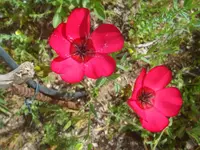
Flowering flax, Linum grandiflorum, is a small annual plant grown mainly for its bright, cup-shaped red, pink, or white flowers. It forms neat clumps of slender stems with fine, narrow leaves and a light, airy look in borders or meadow-style plantings.

This species is native to North Africa and parts of the Mediterranean, where it grows in open, sunny places with relatively dry, well-drained soil. It is generally easy to grow from seed and suits beginners, as long as soil does not stay waterlogged. Understanding how to care for flowering flax starts with giving it plenty of sun and avoiding heavy, compacted ground.

Main Plant Requirements

Care Difficulty

Moderate Care

Light Preference

Full Sun

Water Requirements

Moderate Water

Temperature Preference

Cool Climate

Hardiness Zone

5–9

Soil Texture

Sandy, Loamy

Soil pH

Acidic (5.5–6.5), Slightly acidic (6.5–7.0)

Soil Drainage

Well-drained

Fertilization

Minimal (feed rarely)

Get Personalized Care Plan

Scan your plant to receive care tips personalized for your specific plant

Available on iOS and Android

How to Care for the flowering flax

This annual prefers bright, open conditions to produce abundant blooms.

  • Provide 6–8 hours of direct sun daily; morning sun with light afternoon exposure suits most climates.
  • It tolerates light partial shade (around 3–4 hours direct sun) but flowering flax will produce fewer, weaker flowers in low light.
  • In very hot regions, protect from intense mid-afternoon sun to reduce leaf scorch and wilting, especially during late spring and summer.

This plant prefers slightly dry, well-drained conditions rather than constantly moist soil.

  • Water when the top 3–5 cm of soil feels dry, letting excess drain freely to avoid waterlogging around the roots.
  • In hot, dry weather, monitor more often and water deeply rather than lightly; in cool or rainy periods, extend the interval between soakings.
  • Yellowing, soft stems indicate overwatering, while dull, drooping foliage and very dry soil signal that Linum grandiflorum needs water soon.

This species grows best in mild conditions and dislikes extremes of heat or cold.

  • Aim for 60–75°F (16–24°C) during active growth for strong stems and consistent flowering.
  • Plants tolerate light chill down to about 28–32°F (-2–0°C) but hard frost below this range can kill or severely damage them.
  • In hot spells above 85°F (29°C), provide extra water, mulch soil to reduce root heating, and consider light afternoon shade to limit stress.

This species tolerates a wide humidity range and usually does not need special air moisture control.

This annual prefers light, well-drained soil that does not stay wet after watering or rain.

  • Use a sandy or sandy-loam mix, such as 2 parts all-purpose potting mix to 1 part coarse sand, to keep roots from sitting in water.
  • Aim for slightly acidic to neutral pH around 6.0–7.0, which supports nutrient uptake and stable growth in Linum grandiflorum.
  • Improve aeration and drainage by adding perlite or fine grit, especially in heavier garden soils that tend to compact.
  • Avoid dense clay, waterlogged spots, or sites with standing water, as these conditions promote root rot and weak plants.

This species is suitable for containers if the pot drains quickly and roots have enough depth.

  • Choose a pot at least 20–25 cm deep so the taproot can develop without curling tightly at the bottom.
  • Use a relatively narrow but deep container to keep the root zone cool while reducing excess moisture around the crown.
  • In windy sites, select a heavier pot material, such as ceramic, to prevent tall, flowering stems from tipping the container over.

Linum grandiflorum benefits from light feeding in nutrient-poor soils but does not need heavy fertilization.

  • Apply a balanced liquid fertilizer (around 10-10-10) at 1/2 strength every 4–6 weeks during the active growing and flowering period.
  • Use a thin layer of well-rotted compost around the plants in spring to support steady growth without excessive foliage.
  • Avoid high-nitrogen products, which can reduce blooms and cause floppy stems in flowering flax.
  • Stop feeding in late summer to early fall, and do not fertilize in winter or during dormancy.

Pruning Linum grandiflorum focuses on keeping plants tidy and supporting continuous blooming.

  • In late spring through summer, shear back spent flower stems by 1/3 to encourage new branching and more blooms.
  • Remove dead, diseased, or storm-damaged stems as soon as noticed, using clean, sharp scissors or hand pruners.
  • Thin out crowded or weak stems at the base to improve airflow and maintain a more open, upright habit.
  • At season’s end, cut back dry, brown growth close to ground level to reset the plant for the next cycle or reseeding.

This species is usually grown as an annual in beds, so focus on gentle transplanting rather than frequent repotting.

  • Sow in small pots or cell trays and transplant seedlings outdoors once they have 2–3 true leaves and frost risk has passed.
  • Move plants when young; older plants with dense, delicate roots handle disturbance poorly and may stall or decline.
  • If container-grown, shift to a slightly larger pot only when roots circle the drainage holes or growth becomes stunted.
  • Transplant in cool, overcast conditions, keep the root ball intact, water immediately, and shade lightly for 2–3 days to reduce stress.

Linum grandiflorum is most commonly propagated from seed, which gives fast and reliable results.

  • Sow fresh seeds in late winter to early spring under cover, or direct-sow outdoors after frost danger has passed.
  • Use a free-draining seed mix, press seeds lightly into the surface, and cover with only a very thin layer of soil or vermiculite.
  • Maintain temperatures around 60–70°F and even moisture; seedlings usually emerge within 1–3 weeks.
  • Space or prick out seedlings to avoid crowding, then harden off gradually before planting into their final position.

Flowering flax is usually treated as an annual and generally does not need special winter care.

  • In cold regions, allow plants to complete their life cycle and remove dead stems after hard frost to reduce disease carryover.
  • Where self-seeding is desired, leave some seed heads in place until late fall before tidying the bed.
  • Container plants in mild climates can be discarded after flowering or replaced from new seed each year rather than overwintered.

Care Tips

Staggered Succession Sowing

Sow small batches every 2–3 weeks over spring to keep a continuous display of blooms and to replace older plants that naturally decline after peak flowering.

Wind‑Smart Support

In open or windy sites, insert low, unobtrusive twiggy branches or short mesh edging around young plants so the fine stems are supported without looking formally staked.

Targeted Deadheading Zones

Instead of removing individual spent flowers, shear back only the top third of the planting every 2–3 weeks, which encourages new flowering flushes while keeping the overall mound tidy.

Dry‑Weather Weed Control

Hand weed or hoe lightly during dry conditions so disturbed weed seedlings desiccate quickly and the shallow fibrous roots of your plants are less likely to be damaged.

End‑Season Self‑Seeding Strip

When caring for flowering flax in a border, leave one small patch un-deadheaded at the end of the season so seed can drop naturally and create a modest, self‑sown display the following year without taking over the whole bed.

Common Pests and Diseases

Flea beetles

These insects chew many tiny round holes in leaves, giving foliage a shot‑hole or lace-like appearance and sometimes stunting young plants.

Solution

Use floating row covers to protect young plants, keep nearby weeds down to remove alternate hosts, and, if damage is high, apply a spinosad or pyrethrin-based spray in the evening, following the label carefully. Watering regularly to reduce stress helps plants outgrow moderate feeding.

Flax budworm

This pest feeds on flower buds and young seed capsules, causing buds to brown, fail to open, or drop prematurely.

Solution

Handpick and destroy affected buds where practical and encourage natural predators by avoiding broad-spectrum insecticides. For heavier infestations, use a targeted biological product containing Bacillus thuringiensis (Bt) on young larvae, reapplying as directed while monitoring flower production.

Flax rust

This disease causes orange to brown powdery pustules on leaves and stems, often leading to yellowing, leaf drop, and reduced flowering.

Solution

Remove and dispose of infected leaves and plant debris, avoid overhead watering, and space plants to improve airflow. In areas with recurring problems, rotate planting locations and consider a preventive application of a sulfur or copper-based fungicide at the first sign of symptoms as part of broader Linum grandiflorum care.

Pasmo

This disease produces dark, banded lesions on stems and spots on leaves, which can coalesce and weaken or break stems.

Solution

Collect and discard all infected plant material at season’s end, avoid crowding plants, and water at soil level to keep foliage dry. In gardens with a history of pasmo, rotate away from flax species for several years and consider a labeled fungicide early in the season if conditions are cool and wet.

Powdery mildew

This disease forms white, powdery patches on leaves and stems, which may lead to leaf distortion and reduced vigor in dense plantings.

Solution

Increase spacing and airflow, water at the base rather than overhead, and remove heavily affected leaves to slow spread. If the problem persists, apply a potassium bicarbonate or sulfur-based fungicide according to label directions and focus on keeping plants growing in full sun with good air movement.

Interesting Facts

True annual lifecycle

Red flax completes its entire lifecycle from seed to seed within a single growing season and does not reliably self-perennialize, even in mild climates, unlike several other Linum species that can behave as short-lived perennials.

Distinct from oil flax

Although related to cultivated flax (Linum usitatissimum), red flax is grown almost exclusively as an ornamental; it does not have a history of use for linen fiber or linseed oil production because its stems and seeds are not suited to those purposes.

Short-lived daily flowers

Each individual red flax flower typically lasts only a single day, opening in the morning and dropping petals by afternoon, yet the plant produces new buds continuously so the display can extend over many weeks in suitable conditions.

FAQs about flowering flax

Lack of blooms usually comes from insufficient light, overly rich or high-nitrogen soil, or stress from drought or root disturbance. Moderate feeding, consistent moisture, and full sun exposure are key parts of Linum grandiflorum care.

Grow Healthy Plants with Botan Care

Keep your plants happy and healthy with plant identification, disease detection, and easy care guidance.

Botan plant care app — identify plants on mobile

Explore More Plants