Canna Lily Care (Canna 'Pretoria')

Also known as: Canna
Canna Lily

About Canna Lily

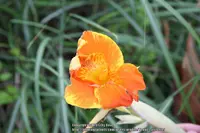
Canna 'Pretoria', often called Bengal tiger canna, is a rhizomatous perennial grown mainly for its bold foliage and bright summer flowers. It forms upright clumps of large, paddle-shaped leaves with striking green and yellow striping, topped by orange blooms.

This cultivar comes from hybrid canna breeding, with ancestors native to tropical and subtropical regions of the Americas. It is usually grown outdoors in warm climates or as a seasonal feature in cooler areas.

Fast growth, strong rhizomes, and tolerance of heat and humidity make it relatively straightforward for gardeners who understand how to care for Canna Lily. It prefers plenty of sun, regular moisture, and fertile, well-drained soil.

Main Plant Requirements

Care Difficulty

Moderate Care

Light Preference

Full Sun

Water Requirements

Regular Water

Temperature Preference

Tropical / Frost Sensitive

Hardiness Zone

8–11

Soil Texture

Loamy, Sandy, Organic-rich

Soil pH

Acidic (5.5–6.5), Slightly acidic (6.5–7.0)

Soil Drainage

Moist but well-drained

Fertilization

Moderate (every 2–4 weeks)

Get Personalized Care Plan

Scan your plant to receive care tips personalized for your specific plant

Available on iOS and Android

How to Care for the Canna Lily

This tropical perennial performs best in strong, consistent light for robust foliage and flowering.

  • Provide 6–8 hours of direct sun daily; morning sun with some light afternoon shade suits most climates.
  • In hotter regions, give Canna Lily protection from harsh late-afternoon sun to reduce leaf scorch and faded striping.
  • It tolerates light partial shade (4–5 hours sun), but expect fewer flowers and taller, more stretched stems, especially in late summer.

This plant prefers evenly moist soil but reacts poorly to both drying out completely and standing in water.

  • Water when the top 3–5 cm of soil feels dry, then soak the root zone deeply so moisture reaches the full rhizome area.
  • Use rich, well-draining yet moisture-retentive soil; prolonged puddling, sour smell, or mushy rhizomes indicate overwatering.
  • In peak summer growth, expect faster drying and more frequent watering; wilting, crispy leaf edges, and rolled leaves show underwatering.

This canna grows best in warm, frost-free conditions typical of late spring through early fall.

  • Optimal growth occurs around 70–85°F (21–29°C), supporting rapid leaf production and flowering.
  • Plant outdoors only after nights stay above 50°F (10°C); foliage is damaged by light frost and rhizomes can be killed below 32°F (0°C).
  • It tolerates short hot spells up to about 95°F (35°C) if soil stays moist, but extended heat with dryness leads to leaf scorch and stalled blooms.

This plant grows best in moderately humid air but usually tolerates typical outdoor conditions.

  • Aim for 40–60% humidity; outdoor garden air in most regions falls within this range during the growing season.
  • Leaves may brown at edges or roll slightly during very hot, dry winds, indicating low-humidity stress combined with heat.
  • In very dry climates, group Canna Lily with other plants and use mulch to help maintain a slightly more humid boundary layer around foliage.

Canna 'Pretoria' prefers deep, moisture-retentive but aerated soil that never stays waterlogged.

  • Use a rich loam with high organic matter, such as garden soil blended with 30–40% compost for nutrient supply and moisture retention.
  • Ensure soil drains freely; incorporate coarse sand or fine gravel if water sits on the surface or the area puddles after rain.
  • A slightly acidic to neutral pH around 6.0–7.0 helps nutrient uptake and reduces the risk of micronutrient lockout.
  • Avoid heavy, compacted clay or pure sand; loosen planting zones 25–30 cm deep to improve root aeration and prevent rhizome rot.

This species is very suitable for container growing in sunny outdoor spaces.

  • Choose a wide, heavy container to counterbalance tall foliage and prevent tipping in wind.
  • Use a deep pot that allows rhizomes to spread horizontally with at least 25–30 cm of soil depth for stable growth.
  • Select a potting mix that drains faster than in-ground soil yet holds moisture, then elevate the pot slightly so drainage holes never sit in collected water.

Strong growth and flowering in Canna 'Pretoria' respond well to consistent but moderate feeding.

  • Use a balanced NPK fertilizer (around 10-10-10) or slow-release granules in spring as shoots emerge.
  • Feed every 4–6 weeks during the warm growing season, keeping soil evenly moist before and after application.
  • Apply at half the label strength for container plants to avoid salt buildup and root burn.
  • Reduce feeding to a light compost top-dress or stop entirely in late fall as the plant enters dormancy.

Thoughtful pruning keeps Canna 'Pretoria' tidy, encourages more blooms, and maintains strong clump growth.

  • In midsummer, deadhead spent flower spikes down to the first healthy leaf to promote new flowering stems.
  • Remove yellowing, torn, or diseased leaves at the base with clean, sharp pruners to limit pest and disease issues.
  • Thin out weak or crowded stems at soil level to improve air flow and light penetration within the clump.
  • After the first hard frost, cut stems back to 5–10 cm above ground before lifting or mulching the rhizomes.

Container-grown or overcrowded clumps of Canna 'Pretoria' benefit from periodic lifting and replanting.

  • Check for crowded rhizomes, roots circling the pot, or reduced flowering as signs that transplanting is needed.
  • Plan to lift and divide every 2–3 years in spring after frost danger passes, or in fall in mild climates.
  • Gently dig up the clump, shake off soil, and separate firm rhizomes with at least 1–2 healthy buds each.
  • Replant at the same depth in loose, compost-enriched soil and water thoroughly to settle roots and limit stress.

Division of rhizomes is the most reliable method for increasing Canna 'Pretoria' plants with identical traits.

  • Lift mature clumps in spring when new eyes are visible, or in fall when growth has finished.
  • Use a clean, sharp knife or hand saw to divide rhizomes into sections carrying 1–3 buds and some roots.
  • Discard soft, moldy, or shriveled pieces, and allow fresh cuts to dry briefly before planting to reduce rot risk.
  • Replant divisions in warm, well-drained soil, keeping them just below the surface and evenly moist until new shoots appear.

Cold sensitivity means Canna 'Pretoria' requires specific winter handling in cooler climates.

  • In USDA zones 8–11, leave rhizomes in the ground and apply a 5–10 cm mulch layer after foliage dies back.
  • In colder zones, lift rhizomes after the first hard frost, trim stems to 5–10 cm, and dry them for a few days.
  • Store rhizomes in breathable containers filled with barely moist peat or sawdust at 40–50°F in a frost-free place.
  • Move container-grown plants indoors to a cool, bright, frost-free spot, watering sparingly to prevent shriveling.

Care Tips

Rhizome Division

Lift and divide rhizomes every 2–3 years in late winter or early spring, cutting into firm sections with at least 2–3 healthy eyes to maintain strong growth and prevent overcrowding.

Sturdy Stake Support

Install stout, weather-resistant stakes on the windy side when shoots reach 30–40 cm, tying loosely with soft ties so tall foliage and blooms stay upright and avoid snapping in storms.

Targeted Deadheading

Remove each spent flower stalk just above the next strong node rather than only picking off petals, which directs energy into new spikes and keeps the clump flowering longer.

Slug And Snail Barriers

Lay down a 5–10 cm ring of coarse gravel or crushed bark around the base in spring to make a dry, rough barrier that discourages slugs and snails from shredding new foliage.

Lifting For Winter

In cold climates below USDA zone 7, cut stems back after frost, lift rhizomes, dry them for a day, then store in slightly damp peat or coco coir at 40–50°F to protect them for the next season of growing Canna Lily.

Everything About Canna Lily

Common Pests and Diseases

Canna leaf roller

This pest is the larva of a moth that feeds inside tightly rolled canna leaves, causing ragged, shredded foliage and distorted new growth.

Solution

Cut off and destroy rolled or damaged leaves as soon as they are seen, since larvae live inside the leaf. In outdoor plantings, reduce moth egg-laying by clearing old stems and leaf debris at the end of the season, and if infestations are heavy, use a targeted Bacillus thuringiensis (Bt) product on young foliage following label directions.

Japanese beetle

These insects skeletonize canna leaves by eating the soft tissue between veins and may also chew flower petals, leaving large, irregular holes.

Solution

Hand-pick beetles into soapy water in the early morning when they are sluggish, and avoid using broad-spectrum insecticides that harm beneficial insects. For repeated yearly problems, consider physical barriers such as fine mesh netting during peak beetle season and reduce nearby favored host plants if practical.

Canna rust

This disease, caused by Puccinia thaliae and related fungi, produces yellow to orange powdery pustules on leaf undersides and yellowing patches on upper surfaces, which can lead to premature leaf death.

Solution

Remove and discard badly infected leaves and any fallen foliage to reduce spores, and water at soil level to keep leaves as dry as possible. Improve spacing and airflow around clumps, and in persistent cases use a labeled fungicide for rust on ornamentals, applied according to instructions as part of broader Canna 'Pretoria' care instructions.

Canna virus complex

Symptoms include mosaic or streaked patterns on leaves, distorted growth, and weak plants that fail to flower well, often caused by one or more viruses spread by sap-sucking insects or contaminated tools.

Solution

Promptly remove and discard any plants showing consistent mosaic or distortion, and do not compost infected material. Disinfect cutting tools between plants, control aphids and other sap-feeding insects, and source new rhizomes from reputable suppliers that test stock for viruses.

Slugs and snails

These pests chew large irregular holes in tender leaves and young shoots, and may leave slime trails on or around the plants.

Solution

Use iron phosphate slug baits around canna clumps according to label directions, and reduce hiding spots by clearing dense mulch and debris. Night hand-picking, beer traps, and copper barriers around small plantings can further reduce damage, especially on young or newly planted rhizomes.

Interesting Facts

Bold foliage variegation

This cultivar is prized for its large leaves with bright yellow striping on a green background, a stable variegation that traces back to deliberate selection from Canna generalis hybrids rather than a random sport.

Contrasting orange blooms

Its clear orange flowers stand out strongly against the striped foliage, a color combination that has made it a long-standing favorite in formal bedding schemes and tropical-style plantings since the early 20th century.

Strong architectural presence

Mature clumps can reach about 1.5–2 m in suitable climates, creating a vertical accent often used as a living screen or focal point in public landscapes and display gardens focused on growing Canna 'Pretoria'.

Botan icon

Did you know?

Under the older horticultural name Canna 'Bengal Tiger', this cultivar became one of the most widely recognized striped-leaf cannas in European and North American display gardens, helping to popularize boldly variegated cannas in municipal and botanical plantings during the 20th century.

FAQs about Canna Lily

Poor flowering usually comes from insufficient light, depleted nutrients, or overcrowded rhizomes. Remove spent flower stalks, divide congested clumps every 2–3 years, and use a balanced, low-nitrogen fertilizer to support bud and bloom formation.

Grow Healthy Plants with Botan Care

Keep your plants happy and healthy with plant identification, disease detection, and easy care guidance.

Botan plant care app — identify plants on mobile

Explore More Plants