mauve nemesia Care (Nemesia fruticans)

Also known as: Cape snapdragon, Grassveld Lionface, Mauve Lionface, White Wild Snapdragon
mauve nemesia

About mauve nemesia

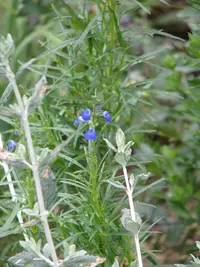
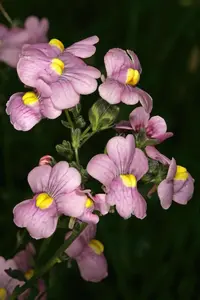
Mauve nemesia (Nemesia fruticans) is a compact, short-lived perennial often grown as an annual for its abundant, soft purple flowers. It forms low, branching mounds covered in small, snapdragon-like blooms that create a neat edge or filler in beds, containers, and hanging baskets.

This species is native to South Africa, where it grows in mild, sunny conditions with well-drained soil. It tends to perform best in cooler weather and can decline in prolonged heat, which affects how easy it is to keep flowering.

Gardeners who want to care for mauve nemesia should provide good light, regular but not heavy watering, and soil that drains quickly to avoid root problems.

Main Plant Requirements

Care Difficulty

Moderate Care

Light Preference

Full Sun

Water Requirements

Regular Water

Temperature Preference

Cool Climate

Hardiness Zone

9–11

Soil Texture

Sandy, Loamy, Organic-rich

Soil pH

Acidic (5.5–6.5), Slightly acidic (6.5–7.0)

Soil Drainage

Moist but well-drained

Fertilization

Moderate (every 2–4 weeks)

Get Personalized Care Plan

Scan your plant to receive care tips personalized for your specific plant

Available on iOS and Android

How to Care for the mauve nemesia

This sun-loving annual performs best with bright, gentle light and protection from harsh heat.

  • Provide 4–6 hours of direct morning sun with light afternoon shade; in hotter climates, give filtered light after midday to prevent leaf scorch.
  • Tolerates light partial shade, but flowering of mauve nemesia decreases if it receives less than 3–4 hours of direct or high-brightness light per day.
  • In summer, monitor plants in western or southern exposures for bleaching or crispy edges; in cooler seasons, slightly more direct sun helps maintain compact, floriferous growth.

This plant prefers consistently moist, well-drained soil rather than swings between drought and saturation.

  • Outdoors in the ground, water when the top 2–3 cm of soil feels dry, applying enough to moisten the root zone but allowing excess to drain away fully.
  • Reduce frequency during cool or cloudy periods; increase slightly in hot, windy weather, focusing on soil moisture feel rather than a fixed schedule for Nemesia fruticans.
  • Watch for wilting, crisp edges, and dry, pale soil as signs of underwatering, and for yellowing leaves, soft stems, or a sour smell as indicators of overwatering or poor drainage.

This species prefers cool to mild conditions and declines quickly in sustained heat or frost.

  • Optimal growth occurs around 55–70°F (13–21°C), where plants stay compact and flower heavily through spring and early summer.
  • Tolerates brief dips to about 32°F (0°C) but is damaged by hard frost; in regions with colder winters, treat it as a cool-season annual that fades after freezes.
  • Struggles in prolonged heat above 85°F (29°C); flowering often slows or stops, so provide afternoon shade and ensure soil does not bake during the hottest months.

Nemesia fruticans prefers moderately moist air but generally adapts well to typical home and garden humidity.

  • Aim for 40–60% humidity to keep foliage turgid and flowering steady, especially for mauve nemesia forms.
  • Tolerates brief dry indoor air but prolonged low humidity can cause curled leaf edges and reduced bud formation.
  • Increase humidity locally by grouping pots, placing trays with moistened pebbles nearby, or misting early in the day during hot, dry spells.

Nemesia fruticans grows best in light, well-aerated soil that drains quickly yet holds some moisture.

  • Use a loose, loamy mix with 50–60% peat- or coir-based potting soil plus 20–30% compost and 10–20% perlite or sharp sand.
  • Ensure rapid drainage so roots never sit in water; soggy, compacted soil quickly leads to root decline and fewer flowers.
  • Keep pH slightly acidic to neutral, around 6.0–7.0, which supports nutrient uptake and steady growth.
  • In heavy garden soil, improve structure by working in coarse sand and fine bark to increase pore space and oxygen around the roots.

This species is well suited to container growing on patios, balconies, and small outdoor spaces.

  • Choose a wide, shallow to medium-depth pot that allows the branching root system to spread without creating a deep, wet zone at the bottom.
  • Select terracotta or other porous materials if plants tend to stay too wet, as these allow faster evaporation and reduce waterlogging risk.
  • Stabilize trailing or top-heavy growth by using a slightly heavier pot or adding surface stones so wind does not tip the container.

Nemesia fruticans responds well to light, consistent feeding during its main blooming season.

  • Use a balanced water-soluble fertilizer (around 10-10-10 or 20-20-20) at 1/2 strength every 2–3 weeks in spring and summer.
  • Alternatively, apply a slow-release granular fertilizer at planting time for hanging baskets and containers.
  • Avoid heavy feeding; excess nitrogen reduces flowers and encourages weak, leafy growth.
  • In fall and winter, stop feeding outdoor plants and reduce or stop fertilizer for mauve nemesia grown indoors.

Pruning Nemesia fruticans maintains a compact shape and encourages repeated flowering.

  • Shear lightly with clean scissors or hand pruners after the first main flush of blooms to promote bushy regrowth.
  • Regularly remove spent flower spikes and yellowing stems to extend the flowering period.
  • Cut back leggy, stretched stems by 1/3 to 1/2 to improve shape and encourage new shoots.
  • At season’s end, remove dead or heavily woody growth to refresh or clear plants.

Nemesia fruticans is usually treated as a short-lived bedding or container plant and rarely needs long-term pot upgrades.

  • Transplant or pot up in early spring once frost risk has passed and plants are actively growing.
  • Check for roots circling the pot drainage holes or slowed growth as signs a container plant needs more space.
  • Move into a slightly larger pot with fresh, well-drained mix, handling the root ball gently to reduce stress.
  • Water thoroughly after transplanting, then keep soil lightly moist and shaded from intense midday sun for several days.

Nemesia fruticans is commonly renewed by seed and softwood cuttings rather than long-term division.

  • Sow fresh seeds indoors in late winter to early spring on the surface of moist, fine seed mix and keep at 65–70°F with bright light.
  • Do not bury seeds deeply; a light covering of vermiculite or fine mix is enough for germination.
  • Take 7–10 cm soft, non-flowering stem cuttings in late spring or summer and remove lower leaves.
  • Place cuttings in a moist, free-draining medium, use high humidity and bright, indirect light until rooted.

Nemesia fruticans is generally grown as an annual in cold climates and has low frost tolerance.

  • In regions warmer than about 25–30°F minimum, plants may overwinter as short-lived perennials with light dieback.
  • Apply a thin mulch around outdoor plants in mild climates to buffer quick temperature swings and protect roots.
  • Before hard frost in colder areas, discard spent bedding plants or lift and grow new ones from seed next season.
  • For container plants, move pots into a bright, cool, frost-free place and water sparingly to prevent root rot.

Care Tips

Staggered Successive Planting

Sow or plant small batches every 3–4 weeks in spring and early summer so that as the earliest plants tire in heat, younger plants take over and keep the display continuous.

Cool-Season Revive Cutback

When plants become leggy or bloom less after heat, shear them back by about one-third, water deeply, and resume light feeding to trigger a fresh flush of compact growth and flowers as temperatures cool.

Pinch for Bushiness

Pinch out soft shoot tips once or twice early in the season to encourage branching, which creates a fuller mound and more flowering stems for growing mauve nemesia.

Container Edge Management

In mixed containers, position plants near the pot edge and gently direct or clip stems so they trail without matting over neighbors, which keeps airflow good and reduces fungal problems.

Targeted Pest Monitoring

Inspect flower clusters and young shoot tips weekly for aphids or thrips, and if found, rinse with a firm water spray or apply insecticidal soap in the evening to prevent distortion of new blooms.

Common Pests and Diseases

Aphids

This pest feeds on tender shoots and flower stems, causing curling, distortion, and sticky honeydew that can lead to sooty mold on Nemesia fruticans.

Solution

Rinse colonies off soft growth with a firm stream of water, then spot-treat remaining clusters with insecticidal soap or a ready-to-use neem oil spray, repeating every 5–7 days until no new insects appear and encouraging natural predators like lady beetles outdoors.

Spider mites

These insects are actually tiny arachnids that thrive in hot, dry conditions, causing fine stippling on leaves, pale foliage, and delicate webbing on flower stems.

Solution

Increase humidity around plants, hose down the foliage thoroughly (including leaf undersides), and apply insecticidal soap or horticultural oil, making 2–3 applications at 5–7 day intervals while also reducing heat stress by avoiding very hot, reflective locations.

Botrytis blight

This disease causes soft, water-soaked spots on flowers and leaves that rapidly turn brown and develop fuzzy gray mold, especially during cool, damp weather.

Solution

Promptly remove and discard all affected blooms and foliage, avoid overhead watering, space plants for good airflow, and if conditions stay wet apply a labeled ornamental fungicide as a preventative spray before long periods of cool, humid weather.

Powdery mildew

This disease appears as white, dusty patches on leaves and stems, leading to yellowing and reduced flowering when Nemesia fruticans is crowded or shaded with poor air movement.

Solution

Thin or trim plants to improve airflow, water at soil level in the morning, remove heavily affected leaves, and use a sulfur or potassium bicarbonate-based fungicide labeled for ornamentals if the white coating continues to spread despite cultural corrections.

Thrips

This pest scrapes and sucks sap from flower petals and tender foliage, causing streaked, deformed blooms and silvery or speckled leaves on mauve and pastel cultivars.

Solution

Remove and discard heavily damaged flowers, use blue or yellow sticky traps to monitor and reduce adult numbers, and apply insecticidal soap or spinosad spray targeting buds and new growth, repeating at label intervals until new flowers open normally to support successful growing mauve nemesia.

Interesting Facts

Southern African origins

This species is native to the winter‑rainfall regions of South Africa, especially the Western and Eastern Cape, where it naturally grows in open, often rocky sites with well‑drained soils.

Cool‑season flowering pattern

In its native climate Nemesia fruticans flowers most abundantly in the cooler parts of the year, and in cultivation it is often grown as a cool‑season annual that declines when exposed to prolonged heat.

Fragrant, spurred flowers

The flowers have a small spur at the back and can produce a light, sweet scent, features that help guide visiting insects toward the nectar and pollen.

FAQs about mauve nemesia

Lack of flowers usually comes from heat stress, old spent blooms left on the plant, or nutrient imbalance. Deadhead regularly, avoid high-nitrogen fertilizer, and keep roots cool and evenly moist to support continuous flowering when growing mauve nemesia.

Grow Healthy Plants with Botan Care

Keep your plants happy and healthy with plant identification, disease detection, and easy care guidance.

Botan plant care app — identify plants on mobile

Explore More Plants