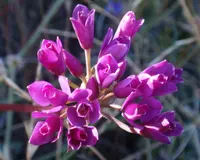
scarlet larkspur Care (Delphinium cardinale)

Also known as: Cardinal Larkspur
scarlet larkspur

About scarlet larkspur

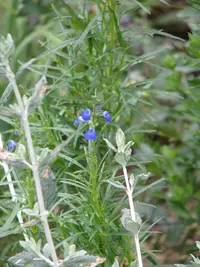
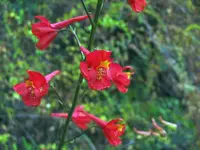
Scarlet larkspur, Delphinium cardinale, is a perennial wildflower known for its tall spikes of bright red flowers and deeply divided green foliage. It has an upright, airy habit that stands out in mixed borders and naturalistic plantings.

This species is native to chaparral and rocky slopes of California, where it grows in well-drained soils and relatively dry summer conditions. It prefers full sun in cooler climates and some light shade in hotter areas.

Gardeners who want to care for scarlet larkspur should note that it can be short-lived where summers are very wet or humid. It suits gardeners who can provide good drainage and avoid heavy, waterlogged soils.

Main Plant Requirements

Care Difficulty

Moderate Care

Light Preference

Full Sun

Water Requirements

Moderate Water

Temperature Preference

Warm Climate

Hardiness Zone

8–10

Soil Texture

Sandy, Loamy, Rocky

Soil pH

Slightly acidic (6.5–7.0), Neutral (7.0)

Soil Drainage

Well-drained

Fertilization

Minimal (feed rarely)

Get Personalized Care Plan

Scan your plant to receive care tips personalized for your specific plant

Available on iOS and Android

How to Care for the scarlet larkspur

Delphinium cardinale prefers strong sun but benefits from some protection in very hot climates.

  • Provide 6–8 hours of direct sun daily, ideally with morning sun and light afternoon shade in hotter regions.
  • Tolerates light partial shade, but flowering on scarlet larkspur declines if it receives less than about 4–5 hours of direct sunlight.
  • In summer, protect from intense late-afternoon sun to reduce leaf scorch, and avoid deep shade locations that cause tall, weak, stretched stems.

Delphinium cardinale needs consistently moist but not waterlogged soil during active growth and flowering.

  • Water when the top 3–5 cm of soil feels dry, applying a deep soak so moisture reaches the root zone rather than frequent light sprinklings.
  • Ensure soil drains freely; yellowing, soft stems or a sour smell indicate overwatering, while drooping, dry leaves or crispy edges indicate underwatering.
  • In spring and early summer, moisture demand is highest; reduce watering frequency after flowering and during cool, wet weather to prevent root rot.

This species prefers mild conditions and does best without temperature extremes.

  • Optimal growth occurs around 60–75°F (16–24°C), with cool nights supporting strong stems and good flowering.
  • Plants tolerate brief drops to about 25°F (−4°C), but young shoots and buds are sensitive to late frosts and may need protection.
  • In hot spells above 90°F (32°C), flowering can slow and foliage may scorch, so provide mulch and some afternoon shade to moderate root and air temperatures.

This species prefers moderately dry to average outdoor air and rarely needs special humidity management.

  • Target 30–50% humidity; outdoor ambient levels in most climates fall in this range naturally.
  • Plants tolerate short dry spells, but prolonged hot, very dry winds can crisp leaf edges and flower spikes.
  • If air is extremely dry, use a mulch layer and group nearby plants to reduce evaporation and buffer humidity around scarlet larkspur.

Delphinium cardinale needs well-structured, fast-draining soil that still holds consistent moisture during the growing season.

  • Use a loose loam with plenty of organic matter, such as garden soil amended with compost and leaf mold, to support deep roots.
  • Ensure sharp drainage by blending in coarse sand or fine gravel, particularly in heavy or clay-based soils.
  • Aim for slightly acidic to neutral pH, roughly 6.0–7.0, which supports nutrient availability and root health.
  • Avoid compacted, soggy, or high-salt soils, which promote crown and root rot and weaken flower stems.

This species can be grown in containers, but it performs best in large, stable outdoor pots.

  • Choose a deep, heavy container that resists tipping, since tall flowering stems make the plant top-heavy in wind.
  • Use a free-draining mix and elevate the pot slightly so drainage holes never sit directly in pooled water.
  • Position the container where wind is partially broken by a wall or larger plants to reduce stem breakage from top weight.

Delphinium cardinale responds well to modest, targeted feeding during the active growing season.

  • Apply a balanced, slow-release fertilizer (around 10-10-10) at 1/2 strength in early spring as new growth begins.
  • Supplement with a light top-dressing of compost around the root zone once in spring for scarlet larkspur.
  • During peak growth, use a diluted balanced liquid feed every 4–6 weeks, avoiding contact with stems and foliage.
  • Stop feeding in late summer and avoid fertilization in winter dormancy to prevent weak, frost-tender growth.

Pruning Delphinium cardinale helps maintain compact growth and supports better flowering.

  • In late winter or very early spring, remove dead or damaged stems with clean, sharp hand pruners at the base.
  • After flowering, cut back spent flower spikes to a healthy leaf node to encourage a tidier shape and potential rebloom.
  • Thin crowded stems lightly to improve air circulation and reduce fungal disease risk without over-opening the clump.
  • Disinfect tools before and after use to limit the spread of pathogens between plants.

This species is more commonly transplanted in the ground than grown long term in containers.

  • Transplant Delphinium cardinale in early spring or early fall, when temperatures are mild and soil is workable.
  • Look for signs such as roots circling a pot, poor drainage, or slowed growth before shifting container plants to a larger pot.
  • Lift plants with a wide root ball, disturbing roots as little as possible, and replant at the same soil depth in well-drained soil.
  • Water thoroughly after transplanting, then keep soil evenly moist and shade lightly for a few days to reduce transplant shock.

Delphinium cardinale is most often propagated by seed, with some growers also using careful division.

  • Sow fresh seed in late winter to early spring in trays with a fine, well-drained seed mix, barely covering the seed.
  • Provide cool to moderate temperatures (55–65°F) and bright, indirect light; keep the surface just moist, not wet.
  • Harden off seedlings gradually before planting out, spacing to allow good air flow and strong vertical growth.

This perennial is moderately hardy but appreciates some winter preparation in colder climates.

  • After foliage dies back, cut stems close to ground level to reduce rot and pest shelter near the crown.
  • Apply a 5–8 cm mulch layer around, but not on top of, the crown to insulate roots from freeze–thaw cycles.
  • In areas with severe frost or for container plants, move pots to a sheltered, frost-free but cool location for winter.

Care Tips

Sturdy staking

Install slim, rigid stakes on the windy side of each plant when shoots are 15–20 cm tall, then loosely tie stems with soft ties in a figure-eight pattern to prevent snapping in summer winds.

Basal shoot selection

When several new shoots emerge from the crown, thin them to 3–5 of the strongest and most upright, which improves air flow, reduces mildew risk, and produces sturdier flowering stems.

Mulch for cool roots

Apply a 3–5 cm layer of coarse organic mulch around but not touching the crown to keep roots cool, reduce evaporation, and limit weed competition without inviting crown rot.

Targeted deadheading

Cut spent flower spikes back to just above a strong leaf pair as soon as petals drop, which directs energy into new lateral shoots and can extend the flowering season when growing scarlet larkspur.

Seasonal crown protection

In regions with wet winters, create a slight soil mound or raised planting area so the crown sits a few cm above surrounding soil, helping excess water drain away and reducing crown and root rot risk.

Common Pests and Diseases

Powdery mildew

This disease causes a white, powdery coating on leaves, stems, and flower stalks, often starting on lower foliage in dense plantings. Symptoms include distorted growth and premature leaf yellowing or drop in warm, dry conditions with poor air movement.

Solution

Remove and discard heavily affected leaves, avoid overhead watering, and increase spacing and airflow around plants. In climates prone to powdery mildew, start preventive treatments with a sulfur or potassium bicarbonate fungicide when new growth appears, and keep foliage as dry as possible through the day.

Crown and stem rot

This disease leads to blackened, mushy crowns and lower stems, often at or just below soil level, with sudden wilting and collapse of tall flowering spikes. Symptoms include brown streaking inside stems and a foul smell in advanced cases, especially in poorly drained or overwatered sites.

Solution

Cut out and discard affected stems and crowns, improve soil drainage, and avoid waterlogging and thick organic mulches directly at the crown. In beds with a history of this problem, plant in raised, well-drained soil, water at soil level only, and rotate plantings to reduce buildup of soilborne fungi such as Fusarium and Pythium.

Delphinium leaf miner

This pest creates winding, pale tunnels inside leaves as larvae feed between the leaf surfaces. Symptoms include blotchy, translucent areas and cosmetic damage that can reduce photosynthesis when infestations are heavy.

Solution

Remove and destroy mined leaves as soon as they appear to break the life cycle, and monitor new growth regularly. Floating row covers can protect young plants early in the season, and targeted use of insecticidal soap or spinosad on adults can help limit egg laying if applied according to label directions.

Aphids

These insects cluster on tender stems, buds, and the undersides of leaves, sucking sap and excreting sticky honeydew that can lead to sooty mold. Symptoms include curled or distorted new growth and reduced vigor, especially on flowering spikes.

Solution

Dislodge colonies with a strong stream of water, then treat remaining insects with insecticidal soap or horticultural oil, ensuring thorough coverage of leaf undersides and stems. Encourage natural predators such as lady beetles, and avoid high nitrogen fertilization that encourages soft, aphid-prone growth when growing scarlet larkspur.

Slugs and snails

These pests chew irregular holes in leaves and young shoots, often leaving plants ragged overnight, especially in moist, shaded beds. Symptoms include shredded lower foliage and slime trails on soil or pots.

Solution

Hand-pick slugs and snails at dusk or early morning, and remove hiding places such as dense debris or boards near plants. Use iron phosphate bait around plants as a lower-toxicity option, and consider copper tape or barriers at bed edges or containers to reduce damage to new delphinium growth.

Interesting Facts

Southern California endemic

This species occurs naturally only in a limited range of southern California, mainly in chaparral and coastal mountain habitats, where it is adapted to dry summers and winter rainfall patterns.

Hummingbird-pollinated flowers

Its bright scarlet, tubular flowers with a pronounced nectar spur are specialized for pollination by hummingbirds, which are attracted by the red color and rich nectar reward.

Toxic but protected

Like many larkspurs, it contains toxic alkaloids that deter grazing animals, which can indirectly protect surrounding vegetation by reducing herbivory pressure in patches where it grows.

Botan icon

Did you know?

This species often colonizes rocky, unstable slopes and road cuts in its native range, using deep, anchoring roots to persist where few other showy wildflowers can establish.

FAQs about scarlet larkspur

This species is highly attractive to hummingbirds and large native bees, thanks to its tubular red flowers and nectar production. Planting several together creates a stronger visual target and a more reliable nectar source for wildlife.

Grow Healthy Plants with Botan Care

Keep your plants happy and healthy with plant identification, disease detection, and easy care guidance.

Botan plant care app — identify plants on mobile

Explore More Plants