Pinch For Bushiness
Pinch out the soft tips of new stems in early to mid-spring to encourage denser branching and a fuller, more wind-resistant plant.

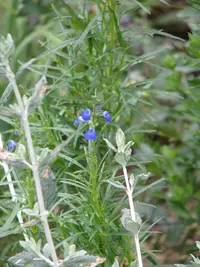
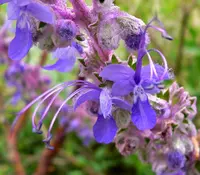
Cobalt sage (Salvia reptans) is a compact, shrubby sage known for its slender stems and fine, narrow leaves. It produces small, vivid blue flowers that attract bees, butterflies, and hummingbirds.
This species is native to highland regions of Mexico and the southwestern United States, where it grows in open, sunny, often rocky sites. It has a naturally airy, arching habit that can form loose mounds or low, informal hedges.
The plant is generally considered easy to grow because it tolerates heat, drought, and poor, well-drained soils once established. Understanding these natural preferences makes it easier to care for Cobalt Sage in home gardens or containers.

Care Difficulty
Easy Care

Light Preference
Full Sun

Water Requirements
Low Water

Temperature Preference
Warm Climate

Hardiness Zone
7–10

Soil Texture
Sandy, Loamy, Rocky

Soil pH
Acidic (5.5–6.5), Slightly acidic (6.5–7.0)

Soil Drainage
Well-drained

Fertilization
Minimal (feed rarely)
Scan your plant to receive care tips personalized for your specific plant
Available on iOS and Android
This sun-loving sage thrives in bright conditions similar to its native high-desert habitat.
This species prefers dry to moderately moist soil and is sensitive to prolonged wet roots.
This hardy sage handles a wide temperature range but dislikes prolonged hard freezes or extreme humidity.
This species handles low humidity well and rarely needs special humidity management.
Salvia reptans prefers lean, sharply drained soil that mimics its native rocky habitats.
This species is well suited to container growing, especially in sunny, dry locations.
Salvia reptans is light-feeding and thrives in lean, well-drained soil with modest nutrition.
Pruning Salvia reptans maintains a compact, floriferous plant and extends its ornamental value.
This species is more often grown in the ground, but container-grown plants or young Salvia reptans may need occasional transplanting.
Salvia reptans is commonly propagated from cuttings, seeds, and occasionally division to build up plantings.
This salvia has moderate cold tolerance but benefits from simple winter care in cooler regions.

Plant Health Check
Not sure what's wrong with your plant? Check your plant's health inside the app.
In its native range in the southwestern United States and northern Mexico, this species flowers very late in the season, often from late summer into fall, providing one of the last reliable nectar sources for hummingbirds and late-flying pollinating insects.
The plant has unusually narrow, almost threadlike leaves that reduce surface area, which helps limit water loss and allows it to tolerate intense sun and dry, windy conditions in its native high-desert habitats.
Instead of forming an upright clump, this species naturally produces long, lax stems that sprawl or arch, a growth pattern that helps it spread over rocky slopes and stabilize shallow soils.

Some wild populations of this species occur at elevations above 2,000 m in the Chihuahuan Desert region, where it endures strong temperature swings between hot days and cool nights, illustrating a high degree of physiological tolerance to daily climate extremes.
Flowering is reduced by too much shade, excessive nitrogen fertilizer, or very dry soil during bud formation. Older clumps also bloom less; light pruning and division every few years renews growth and improves Salvia reptans plant care.
Keep your plants happy and healthy with plant identification, disease detection, and easy care guidance.