Wind-shaping young plants
In the first 2–3 years, allow moderate, unobstructed wind exposure so stems flex slightly, which encourages a low, wind-firm structure suited to exposed sites.

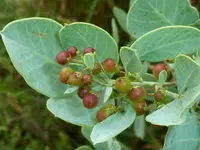
Blue Currantrhus, Searsia zeyheri, is a small, multi-stemmed shrub or compact tree known for its fine-textured foliage and naturally rounded shape. It often forms dense thickets that provide good cover and structure in mixed plantings.
This species is native to southern Africa, where it grows on rocky slopes and open woodland, so it tends to be resilient and drought-tolerant once established. Its hardiness and tolerance of poor, well-drained soils make it suitable for low-maintenance landscapes and habitat gardens.
Gardeners who want to care for Blue Currantrhus should note that it prefers sunny positions, moderate watering, and soil that does not stay waterlogged. Overall, it is considered a robust plant when basic site conditions are met.

Care Difficulty
Easy Care

Light Preference
Full Sun

Water Requirements
Low Water

Temperature Preference
Warm Climate

Hardiness Zone
9–11

Soil Texture
Sandy, Loamy, Rocky

Soil pH
Slightly acidic (6.5–7.0), Neutral (7.0)

Soil Drainage
Well-drained

Fertilization
Minimal (feed rarely)
Scan your plant to receive care tips personalized for your specific plant
Available on iOS and Android
This drought-tolerant shrub prefers bright, open conditions with some protection from extreme afternoon sun.
This species prefers deep, infrequent watering once established, with soil allowed to dry between waterings.
This hardy shrub tolerates a wide range of outdoor temperatures once established.
This shrub handles a wide humidity range and usually needs no special humidity management outdoors.
This species prefers freely draining, mineral-rich soil that does not stay wet after rain or watering.
This shrub can adapt to container culture when given a stable, well-drained setup outdoors.
This drought-adapted shrub needs minimal feeding, but light nutrition improves growth in poor soils when caring for Blue Currantrhus.
Searsia zeyheri responds well to light structural pruning to keep a neat, sturdy form.
This species is usually grown in the ground; focus on careful transplanting rather than frequent repotting.
Propagation is usually done from seeds, with cuttings used less often for Searsia zeyheri.
This shrub is relatively cold hardy in mild to moderate climates and usually needs little winter attention in the ground.

Plant Health Check
Not sure what's wrong with your plant? Check your plant's health inside the app.
This shrub naturally occurs on rocky slopes and grassland outcrops in southern Africa, where it helps stabilize shallow, stony soils and withstands periodic drought and fire.
Its leaves are typically trifoliolate, meaning divided into 3 leaflets, a trait characteristic of many members of the Anacardiaceae family and useful for field identification.
The small, fleshy drupes are eaten by various bird species, which disperse the seeds and contribute to the plant’s regeneration across fragmented habitats.
This species is typically evergreen in mild climates, holding foliage year-round. In colder or very dry conditions it can behave semi-evergreen, shedding some leaves during stress but usually refoliating once conditions improve.
Keep your plants happy and healthy with plant identification, disease detection, and easy care guidance.