seacliff buckwheat Care (Eriogonum parvifolium)

Also known as: Seacliff Wild Buckwheat
seacliff buckwheat

About seacliff buckwheat

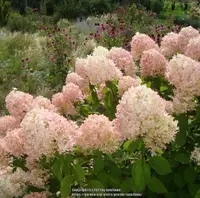
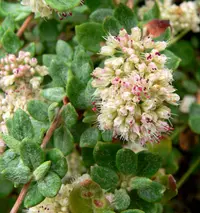
Seacliff buckwheat, Eriogonum parvifolium, is a small, drought-tolerant shrub native to coastal bluffs and sandy dunes of California. It forms low, rounded mounds with gray-green leaves and clusters of cream to pinkish flowers that often age to a warm rust color.

This species is well adapted to wind, salt spray, and poor, sandy or rocky soils, which makes it a resilient choice for dry coastal-style gardens. Once established, it needs little water and minimal maintenance, so learning how to care for seacliff buckwheat is straightforward for most home gardeners.

It prefers full sun, fast-draining soil, and dry to moderately dry conditions, and it performs best when not overwatered or heavily fertilized.

Main Plant Requirements

Care Difficulty

Easy Care

Light Preference

Full Sun

Water Requirements

Low Water

Temperature Preference

Warm Climate

Hardiness Zone

7–10

Soil Texture

Sandy, Loamy, Rocky

Soil pH

Slightly acidic (6.5–7.0), Neutral (7.0)

Soil Drainage

Well-drained

Fertilization

Minimal (feed rarely)

Get Personalized Care Plan

Scan your plant to receive care tips personalized for your specific plant

Available on iOS and Android

How to Care for the seacliff buckwheat

This coastal shrub thrives in strong light and is adapted to open, exposed sites.

  • Provide 6–8 hours of direct sun daily; full sun from morning through late afternoon gives the best flowering and compact growth for seacliff buckwheat.
  • Tolerates light afternoon shade in hotter inland areas, but flowering and density decrease if it receives less than about 4–5 hours of direct sun.
  • In foggy coastal sites, position in the brightest, most open spot; avoid dense shade, which leads to lanky stems and fewer flower clusters.

This species is drought-adapted and prefers infrequent, light watering once established.

  • Allow soil to dry completely between waterings; in the ground, water only when the top 5–8 cm are dry and foliage looks slightly less turgid.
  • Ensure very fast drainage with sandy or rocky soil; standing water or compacted clay greatly increases root-rot risk for Eriogonum parvifolium.
  • During the first growing season, water deeply but infrequently in dry periods, then reduce further; persistent yellowing, soft stems, or sour soil smell indicate overwatering.

This coastal native prefers mild conditions but tolerates a fairly wide temperature range.

  • Ideal growth occurs around 60–75°F (16–24°C), typical of mild coastal climates with moderate summer warmth and cool nights.
  • Mature plants usually tolerate drops to about 20–25°F (-6 to -4°C); repeated hard freezes below this range can damage stems and older wood.
  • Handles dry heat up to 90–95°F (32–35°C) if soil is not waterlogged; prolonged extreme heat combined with high humidity can increase stress and pest issues.

Humidity is rarely a concern for this coastal shrub when grown outdoors in its usual range.

This species prefers lean, very well-drained, sandy soils that mimic coastal bluffs.

  • Use a sandy or gravelly mix with minimal organic matter, such as 60–70% coarse sand or fine gravel blended with 30–40% native soil.
  • Ensure very rapid drainage; raised beds or sloped sites help prevent water from pooling around the root zone.
  • Aim for slightly acidic to neutral pH, roughly 6.0–7.5, avoiding strongly alkaline or heavily amended garden soils.
  • Avoid compacted clay, waterlogged spots, or mixes rich in peat and manure, which increase moisture retention and rot risk for Eriogonum parvifolium.

This shrub can be grown in containers if drainage is excellent and the mix stays on the dry side.

  • Choose a wide, low container to accommodate the spreading root system and reduce tipping in windy, exposed sites.
  • Select unglazed clay or other porous materials so excess moisture evaporates faster in cool or foggy coastal conditions.
  • Elevate the pot on feet or blocks so drainage holes remain clear and runoff cannot re-enter the container base.

This coastal native shrub thrives in lean soil and usually needs little to no fertilizer once established.

Pruning Eriogonum parvifolium is mainly done to maintain shape and plant health rather than to boost growth.

  • Time light pruning for late winter or very early spring, before new growth begins.
  • Remove dead, damaged, or crossing stems with clean, sharp hand pruners.
  • Thin congested interior stems slightly to improve air flow while keeping a natural form.
  • Avoid cutting back into very old, woody stems that show no green tissue.

Transplanting this shrub is best done sparingly, as it prefers to establish a permanent spot with minimal disturbance.

  • Watch for poor vigor or a plant outgrowing its space as signs it needs relocation.
  • Plan transplanting for late winter to early spring, when weather is cool and soil is moist.
  • Dig a wide root ball, keep as much native soil on the roots as possible, and handle gently.
  • Replant at the same depth, water deeply once, then allow soil to dry slightly between light follow-up waterings.

New plants are most reliably produced from seed for long-term Eriogonum parvifolium plant care in dry gardens.

  • Collect seeds from dry flower heads in late summer to fall, then store cool and dry until sowing.
  • Sow seeds in fall or late winter in a very well-drained, gritty mix, barely covering them.
  • Provide bright light, good air flow, and only light, infrequent watering to reduce damping-off risk.

This shrub is moderately cold hardy in mild coastal climates and usually needs little winter care.

  • Tolerates light frosts; issues arise mainly with prolonged freezes or poorly drained, waterlogged soil.
  • Apply a thin gravel or coarse sand mulch to improve drainage around the crown, not for insulation.
  • In colder inland areas, grow seacliff buckwheat in containers and move to a cold, bright, sheltered spot above 25°F.

Care Tips

Encourage Compact Form

In late winter, lightly tip-prune the ends of longer stems to keep plants low, encourage dense branching, and prevent them from becoming woody and open in the center.

Stabilize Sandy Slopes

When planting on slopes, stagger plants in a zigzag pattern and lightly tuck the lower stems into the soil to help anchor the bank and reduce erosion as the mat thickens over time.

Support Pollinators

Avoid deadheading the spent flower clusters until late winter so seeds can mature and provide food for birds and insects, which also supports natural pest control while growing seacliff buckwheat.

Salt and Wind Hardening

Near coastal sites, gradually expose young nursery plants to full wind and salt spray over 1–2 weeks before planting, reducing transplant shock and improving long-term resilience.

Weed-Suppressing Mulch Ring

Use a narrow 5–8 cm ring of coarse gravel around the base instead of organic mulch to suppress weeds, keep the crown dry, and maintain the sharply drained conditions this species needs.

Common Pests and Diseases

Aphids

These insects cluster on young stems and flower stalks, sucking sap and causing distortion, sticky honeydew, and sooty mold growth.

Solution

Rinse colonies off with a firm stream of water and prune heavily infested shoot tips; for persistent infestations, use insecticidal soap or a light horticultural oil, applied in the early morning and repeated as needed according to label directions.

Spider mites

These pests thrive in hot, dry sites and cause fine stippling, dull foliage, and delicate webbing on stems and leaf undersides.

Solution

Increase humidity around nearby plantings if possible, hose down plants regularly to dislodge mites, and use insecticidal soap or a low-toxicity miticide on the undersides of leaves, repeating applications until new growth appears clean.

Leaf spot

This disease produces small tan to brown spots on leaves that may coalesce, leading to premature leaf drop, especially in dense or overwatered plantings.

Solution

Remove and discard affected leaves, thin or prune plants to improve air movement, avoid overhead irrigation, and if spotting progresses, apply a broad-spectrum fungicide labeled for ornamental natives during dry weather windows.

Powdery mildew

This disease shows as white, powdery patches on leaves and stems, which can cause leaf yellowing and reduced vigor in sheltered or humid coastal gardens.

Solution

Improve airflow by spacing and light pruning, water at the base to keep foliage dry, and use a sulfur or potassium bicarbonate-based fungicide at the first sign of white patches, repeating at label intervals until new growth remains clean.

Interesting Facts

Endemic coastal specialist

This species is native only to the central and southern California coast, where it naturally occurs on exposed ocean bluffs, dunes, and sandy or gravelly terraces influenced by marine conditions.

Key habitat for pollinators

Its dense, long-blooming clusters of tiny cream to pink flowers provide nectar and pollen for a wide range of native bees, butterflies, and other insects, especially in coastal habitats where floral resources can be sparse.

Stabilizes fragile bluffs

The plant’s woody base and spreading, intricately branched stems help anchor loose, sandy or erosion-prone soils on seacliffs and dunes, contributing to natural slope stability and coastal habitat structure.

Botan icon

Did you know?

This buckwheat is an important larval host and nectar source for several federally listed endangered butterflies, including the El Segundo blue butterfly (Euphilotes battoides allyni), making it a critical component of some coastal California insect conservation programs.

FAQs about seacliff buckwheat

This species is highly attractive to native bees, butterflies, and other pollinators, especially in coastal and dry gardens. Dense flower clusters provide nectar and pollen over a long season, supporting local insect populations and nearby wildlife habitats.

Grow Healthy Plants with Botan Care

Keep your plants happy and healthy with plant identification, disease detection, and easy care guidance.

Botan plant care app — identify plants on mobile

Explore More Plants