


Protect Growing Crown
Keep debris, mulch, and fertilizer away from the central crown so new fronds can emerge freely and avoid rot; apply amendments only around the drip line, not into the top of the trunk.

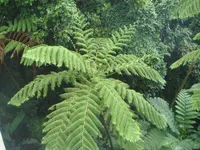
The West Indian treefern, Cyathea arborea, is a tropical tree fern that develops a slender trunk topped with a symmetrical crown of finely divided fronds. It creates a soft, umbrella-like canopy that gives a strong rainforest look in gardens and shaded landscapes.
This species is native to the Caribbean and nearby tropical regions, where it grows in humid forests and along moist mountain slopes. Its preference for consistently damp conditions and shelter from harsh sun can make how to care for West Indian treefern slightly more demanding in drier or very exposed sites.
Cyathea arborea generally favors filtered light, high humidity, and rich, well-drained organic soil. It suits mild, frost-free climates or protected, carefully managed plantings.

Care Difficulty
Hard Care

Light Preference
Partial Shade

Water Requirements
Keep Soil Moist

Temperature Preference
Tropical / Frost Sensitive

Hardiness Zone
10–12

Soil Texture
Loamy, Silty, Organic-rich

Soil pH
Strongly acidic (4.5–5.5), Acidic (5.5–6.5)

Soil Drainage
Moist but well-drained

Fertilization
Minimal (feed rarely)
Scan your plant to receive care tips personalized for your specific plant
Available on iOS and Android
This tree fern prefers bright, filtered light that mimics a light woodland canopy.
This species needs consistently moist, never soggy, soil to support its fibrous root system and trunk.
This tree fern thrives in warm, frost-free conditions year-round.
This treefern needs consistently high humidity to maintain healthy fronds and avoid leaf scorch.
Cyathea arborea prefers a deep, moisture-retentive yet airy soil rich in organic matter.
This species can be grown in containers for some years if the pot supports its tall, tree-like form.
This tropical tree fern benefits from light, consistent nutrition but is sensitive to excess salts.
Pruning Cyathea arborea focuses on hygiene and access to light rather than shaping.
This species is usually grown in the ground, but young plants or container specimens sometimes need careful transplanting.
Reproduction of this tree fern is possible from spores but is slow and technically demanding for most home growers.
This tropical fern is frost-tender and needs protection anywhere temperatures drop near freezing.

Plant Health Check
Not sure what's wrong with your plant? Check your plant's health inside the app.
In its native Caribbean range, this tree fern often colonizes steep ravines and hurricane-disturbed forest gaps, taking advantage of increased light where taller canopy trees have fallen.
The tall trunk is covered with a dense layer of old leaf bases and scales that help protect the growing tissues from intense sun and drying winds in exposed montane habitats.
The large, finely divided fronds intercept cloud moisture and rainfall, creating a damp microhabitat on and around the trunk that supports epiphytes such as mosses and small ferns.

Cyathea arborea is one of the most characteristic tree ferns of Caribbean montane rainforests and has been used locally as a natural indicator of cool, moist, high-elevation forest conditions where few other arborescent ferns can tolerate the combination of wind exposure and frequent cloud cover.
Growth is moderately fast in warm, humid conditions. In suitable outdoor climates, this species may add 30–60 cm of trunk per year, slowing as it matures. Container plants and cooler sites usually show noticeably slower annual growth.
Keep your plants happy and healthy with plant identification, disease detection, and easy care guidance.

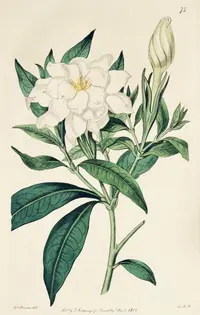
Cape Jasmine
Gardenia jasminoides 'Radicans'
bushy spikemoss
Selaginella bigelovii
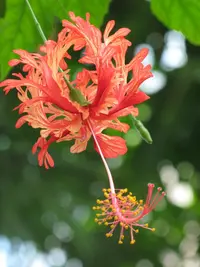
fringed rosemallow
Hibiscus schizopetalus
black monkey orange
Strychnos madagascariensis
Hemionitis ternifolia
Hemionitis ternifolia
charichuela
Garcinia madruno
ledge spikemoss
Selaginella rupestris
lance fern
Loxogramme dictyopteris