ledge spikemoss Care (Selaginella rupestris)

Also known as: northern selaginella, rock spikemoss, dwarf spikemoss
ledge spikemoss

About ledge spikemoss

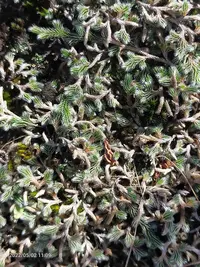
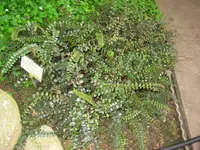
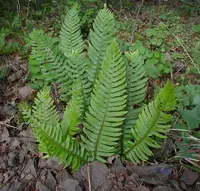
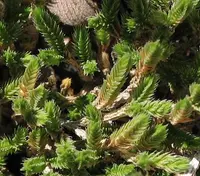
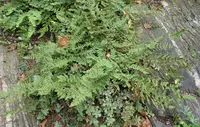
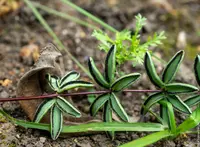
Ledge spikemoss (Selaginella rupestris) is a small, primitive vascular plant related to clubmosses, not a true moss. It forms tight, mat-like tufts of tiny, scale-like leaves on creeping stems. In nature, it grows on dry, rocky ledges and outcrops, especially in open, sunny sites with thin, sandy or gravelly soils.

This species is slow-growing and compact, which makes it interesting for rock gardens, troughs, and specialized collections. It tolerates drought better than many other Selaginella species but still benefits from steady moisture and good drainage. Understanding how to care for ledge spikemoss starts with mimicking its natural rocky, well-drained habitat and avoiding heavy, waterlogged soils.

Main Plant Requirements

Care Difficulty

Moderate Care

Light Preference

Partial Sun

Water Requirements

Moderate Water

Temperature Preference

Cold Hardy

Hardiness Zone

3–8

Soil Texture

Sandy, Rocky, Loamy

Soil pH

Acidic (5.5–6.5), Slightly acidic (6.5–7.0)

Soil Drainage

Well-drained

Fertilization

Minimal (feed rarely)

Get Personalized Care Plan

Scan your plant to receive care tips personalized for your specific plant

Available on iOS and Android

How to Care for the ledge spikemoss

This small rock-dwelling spikemoss needs bright conditions but is sensitive to intense direct sun.

  • Provide 4–6 hours of bright, indirect light or very light shade, such as east-facing morning sun with filtered light afterward.
  • Tolerates open sun in cool climates if soil stays moist, but in hot summers protect from harsh midday and afternoon sun to prevent leaf scorch.
  • In winter, when the sun is lower, exposure to more direct morning sun is usually safe and can help maintain compact, dense growth.

This species prefers consistently moist conditions and does not tolerate prolonged drying.

  • Allow the top 0.5–1 cm of soil or surface substrate to just begin to feel slightly dry before watering again, avoiding a fully dry root zone.
  • In active growth and hot weather, monitor more often; in cool seasons, let the surface stay lightly moist and slow watering as evaporation decreases.
  • Signs of underwatering include crisp, browning tips and curl, while yellowing, limp stems and sour-smelling, soggy soil indicate overwatering and poor drainage.

This plant is adapted to temperate climates and tolerates a wide range, but grows best in moderate conditions.

  • Optimal growth occurs around 60–75°F (16–24°C), with steady, moderate temperatures supporting dense, healthy mats.
  • It survives down to about 20°F (-6°C) when established and well-drained, but repeated hard freezes with saturated soil increase rot risk.
  • Heat above 85°F (29°C) is tolerated if soil stays evenly moist and roots are shaded; extended hot, dry periods cause desiccation and sparse growth.

This species needs consistently high humidity despite its drought tolerance adaptations.

  • Aim for 60–80% humidity, since air that is drier than 40% often causes Selaginella rupestris tips to brown and curl.
  • In dry indoor air, place the pot on a pebble tray with water below the pot base, or group plants to create a slightly more humid microclimate.
  • Watch for crisp, pale, or static-looking fronds as signs of humidity stress and increase local humidity before watering more.

Selaginella rupestris prefers a sharply drained yet moisture-retentive mix that mimics gritty, organic-rich crevices.

  • Use a blend of 40% fine pine bark or coco coir, 40% coarse sand, and 20% perlite to combine drainage with steady moisture.
  • Aim for slightly acidic to neutral pH, around 6.0–7.0, which supports nutrient availability without stressing roots.
  • Improve aeration by avoiding compacted garden soil and lightly fluffing the mix before potting, so roots can spread between particles.
  • Avoid dense clay, peat-only, or constantly waterlogged mixes, which promote root decline and frond dieback.

This species can grow in containers if the pot and setup support its shallow, spreading habit.

  • Choose a wide, shallow pot so the creeping stems can spread horizontally instead of stacking and rotting in layers.
  • Select a heavier material like ceramic if the container will sit outdoors, which reduces tipping when the plant spreads over the rim.
  • Ensure drainage holes are fully open and elevate the pot slightly so thin roots do not sit in the slow-draining saucer film.

This species is adapted to low-nutrient rocky habitats, so fertilizer needs are modest for ledge spikemoss.

  • Use a very dilute balanced liquid fertilizer (around 10-10-10) at 1/4 strength during active growth in spring–summer.
  • Apply no more than once every 4–6 weeks, only when plants show steady new growth.
  • Skip synthetic feeding in winter; at most, top-dress with a thin layer of fine compost in spring.
  • Rinse the substrate with plain water monthly to prevent salt buildup that can burn delicate roots.

Pruning Selaginella rupestris is mainly light grooming to maintain a tidy mat and remove stressed tissue.

  • Best time for trimming is spring or early summer, when growth resumes after winter dormancy.
  • Use clean, sharp scissors to snip off dead, yellowed, or broken shoots at the base.
  • Thin congested or elongated tips to keep a low, even cushion and encourage branching.
  • Avoid heavy cutting into older central areas, which may recover slowly and leave bare patches.

In containers or rock gardens, this plant prefers minimal disturbance, so transplant only when clearly needed.

  • Look for roots emerging from drainage holes, soil drying very fast, or noticeably slower growth as cues to move it.
  • Aim to transplant in early spring before vigorous new growth, usually every 3–4 years at most.
  • Lift the plant with its root ball intact, disturbing roots as little as possible to reduce stress.
  • Replant into a shallow, well-drained, rocky mix, water gently, then keep evenly moist and shaded for 1–2 weeks.

Propagation of Selaginella rupestris is usually done vegetatively since spores are slow and less predictable for home growers.

  • Division in spring is the most practical method; separate small clumps with roots attached.
  • Replant divisions into a shallow, gritty, moisture-retentive mix and firm gently around the roots.
  • Maintain high humidity, bright indirect light, and consistent moisture until new growth is evident.
  • Stem sections that naturally root at the tips can also be lifted and replanted as small plantlets.

This species is quite cold hardy in much of its native range and usually needs only modest winter care outdoors.

  • Tolerates frost and light freezes when established in well-drained rocky or sandy soil.
  • In colder regions, apply a thin, gritty mulch around the root zone to buffer freeze–thaw cycles.
  • Container plants in very cold climates can be overwintered in a cool, bright, frost-free space.
  • Reduce watering in winter, keeping the medium barely moist to prevent root rot in cold conditions.

Care Tips

Rocky substrate use

Place the plant on or between flat rocks or in shallow crevices filled with gritty mix to mimic its natural ledge habitat and keep stems compact and better anchored.

Surface mist over soak

Instead of heavy drenching, use a fine mister to lightly moisten the top 0.5–1 in of the mat, which reduces stem rot risk while still hydrating the fine roots along the surface.

Controlled spreading edge

Limit spread by lifting and trimming only the outermost 0.5–1 in of creeping stems every few months, allowing the inner mat to stay dense and avoiding weak, overextended growth.

Gentle airflow management

Provide mild, indirect air movement using a fan on low at a distance to discourage fungal issues, but avoid direct drafts that can desiccate the delicate foliage.

Seasonal light shift

In winter, move containers a little closer to a bright window or under supplemental lights to compensate for low natural light, which helps keep the mat tight and less etiolated when growing ledge spikemoss.

Common Pests and Diseases

Spider mites

This pest prefers the fine, scale-like foliage and dry conditions that often occur around ledge spikemoss, leading to stippling, bronzing, and fine webbing on stems and leaves.

Solution

Increase humidity, rinse foliage thoroughly under a gentle stream of lukewarm water, and isolate the plant; if needed, apply insecticidal soap or a light horticultural oil to all leaf surfaces, repeating weekly until no mites or webbing are visible.

Fungal leaf blight

This disease appears as irregular brown or black lesions on stems and leaf tips, often following periods of high humidity with poor air movement around dense mats of foliage.

Solution

Trim off affected sections with clean scissors, improve airflow and avoid wetting foliage, then apply a copper-based or other labeled ornamental fungicide if new spots continue to form.

Rhizoctonia stem rot

This disease causes lower stems to turn brown, collapse, and detach from the substrate, especially when the planting medium stays warm and overly moist.

Solution

Remove and discard all softened or discolored stems, allow the surface of the medium to dry slightly between waterings, improve drainage, and consider a targeted Rhizoctonia-active fungicide drench if the decline continues.

Fungus gnat larvae

These insects thrive in constantly moist substrates and their larvae can damage fine rhizophores and young stems, leading to slow decline and yellowing mats.

Solution

Let the top layer of the substrate dry slightly, use yellow sticky traps for adults, and apply a biological control such as Bacillus thuringiensis israelensis (BTI) or beneficial nematodes to reduce larvae in the soil.

Mealybugs

This pest hides in stem joints and dense growth, appearing as small white cottony clusters that extract sap and cause stunting or distorted new growth.

Solution

Isolate the plant, dab visible insects with cotton swabs dipped in 70% isopropyl alcohol, rinse the foliage gently, and follow up with insecticidal soap or horticultural oil applications at 7–10 day intervals until no new infestations appear.

Interesting Facts

Rock‑specialist clubmoss relative

This species is a lycophyte, an ancient lineage related to clubmosses, and is specialized for exposed, dry, often calcareous rock outcrops where many vascular plants cannot survive.

Drought curling strategy

When conditions become very dry, its tiny scale-like leaves and stems curl tightly inward, greatly reducing surface area and water loss, then slowly uncurl again when moisture returns.

Soil‑free crevice living

It often grows in thin rock crevices or on ledges with almost no soil, anchoring into microscopic cracks and using trapped dust and organic particles as its main nutrient source.

Botan icon

Did you know?

Pollen fossils show that close relatives of this species’ genus were already present in the Paleozoic era, which means its basic plant body plan has persisted for hundreds of millions of years with relatively little structural change compared to many flowering plants.

FAQs about ledge spikemoss

This species spreads slowly by creeping stems and usually forms tight, low mats. It is not considered aggressive. Edges may need occasional trimming in rock gardens or troughs but it rarely overwhelms neighboring plants.

Grow Healthy Plants with Botan Care

Keep your plants happy and healthy with plant identification, disease detection, and easy care guidance.

Botan plant care app — identify plants on mobile

Explore More Plants