Shallow container choice
Use a wide, shallow pot or tray so the creeping stems can spread horizontally, then top-dress with a thin layer of fine bark or moss to keep surface roots evenly moist without staying soggy.

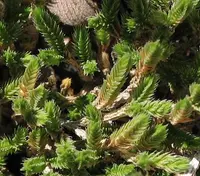
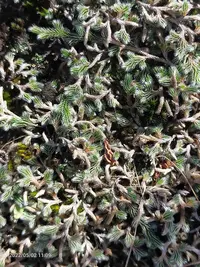
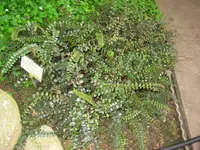
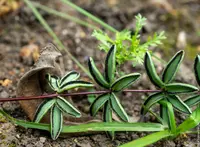
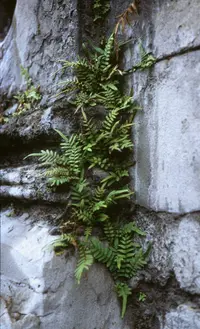
Bushy spikemoss (Selaginella bigelovii) is a small, primitive spore-bearing plant that forms dense, cushion-like mats. It resembles a soft moss but is more structured and branching. Native to dry, rocky habitats of the western United States, it often grows in thin soils over stone or in crevices. This species copes with drought by drying out and then rehydrating when moisture returns. Its need for consistent humidity in cultivation makes it more challenging than common houseplants. Anyone who wants to care for bushy spikemoss should provide gentle light, steady moisture, and a coarse but moisture-retentive substrate.

Care Difficulty
Moderate Care

Light Preference
Partial Shade

Water Requirements
Moderate Water

Temperature Preference
Warm Climate

Hardiness Zone
8–10

Soil Texture
Sandy, Loamy, Rocky

Soil pH
Slightly acidic (6.5–7.0), Neutral (7.0)

Soil Drainage
Well-drained

Fertilization
Minimal (feed rarely)
Scan your plant to receive care tips personalized for your specific plant
Available on iOS and Android
Selaginella bigelovii prefers bright, gentle light that mimics dappled woodland sun.
This species needs consistently moist soil but suffers if kept waterlogged.
This spikemoss prefers mild, cool-temperate conditions with protection from temperature extremes.
This species needs consistently high humidity to maintain healthy foliage and compact growth.
Selaginella bigelovii prefers a loose, moist, organic-rich substrate that never dries out fully.
This species adapts well to container culture when moisture and horizontal space are managed carefully.
This species is adapted to low-nutrient habitats, so bushy spikemoss benefits from only light, careful feeding in containers.
Selaginella bigelovii needs minimal pruning, mainly to keep mats tidy and healthy.
This species is usually grown as a groundcover or in shallow trays, with infrequent repotting or transplanting.
Selaginella bigelovii is commonly propagated vegetatively because its creeping stems root readily at the nodes.
This species is only moderately frost tolerant and appreciates some winter protection in colder regions.

Plant Health Check
Not sure what's wrong with your plant? Check your plant's health inside the app.
This species naturally grows in dry, rocky habitats of the southwestern United States, often anchoring itself in thin soil pockets on granite and sandstone outcrops where few other vascular plants can persist.
In its native coastal and chaparral habitats, it can absorb moisture directly from fog and dew through its leaves and stems, allowing survival in areas with low and irregular rainfall.
Populations often enter a semi-dormant state during the hottest, driest months, with fronds browning and growth slowing until cooler, wetter conditions return.

This species is considered an ecological indicator of relatively undisturbed rocky and chaparral habitats, so its presence can signal intact microhabitats and more stable local moisture conditions than the surrounding landscape might suggest.
This species performs best outdoors in mild, moist climates where light and humidity stay more stable. Indoors it is harder to keep humid and cool enough, so success depends on careful microclimate control and consistent moisture.
Keep your plants happy and healthy with plant identification, disease detection, and easy care guidance.