Ellisiophyllum pinnatum Care

Ellisiophyllum pinnatum

About Ellisiophyllum pinnatum

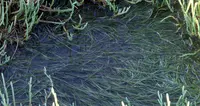
Ellisiophyllum pinnatum is a small, creeping aquatic or semi-aquatic plant often used in ponds, aquariums, and wet margins. It forms low mats of delicate green foliage with fine, opposite leaves.

In the wild it is native to East Asia, typically growing along stream edges, wet meadows, and other consistently moist habitats. Its compact growth and tolerance of regular trimming make it useful for foreground planting in water gardens and aquascapes.

This species prefers clean, cool to mild conditions, soft to moderately hard water, and stable moisture. For those learning how to care for Ellisiophyllum pinnatum, its main requirements are reliable moisture, gentle water movement, and moderate light without strong heat or drying conditions.

Main Plant Requirements

Care Difficulty

Moderate Care

Light Preference

Partial Shade

Water Requirements

Aquatic

Temperature Preference

Cool Climate

Hardiness Zone

6–9

Soil Texture

Loamy, Silty, Organic-rich

Soil pH

Acidic (5.5–6.5), Slightly acidic (6.5–7.0)

Soil Drainage

Waterlogged tolerant

Fertilization

Minimal (feed rarely)

Get Personalized Care Plan

Scan your plant to receive care tips personalized for your specific plant

Available on iOS and Android

How to Care for the Ellisiophyllum pinnatum

This moisture-loving marginal plant prefers soft, cool light rather than harsh, direct sun.

  • Provide 3–5 hours of gentle morning sun with bright, filtered light the rest of the day for Ellisiophyllum pinnatum near ponds or slow streams.
  • Tolerates partial shade, but in deep shade stems may elongate, leaves pale, and flowering declines; increase light gradually if growth looks weak.
  • Avoid strong midday and afternoon sun, which can scorch foliage and dry shallow roots; offer dappled shade in summer and use taller plants to cast light shade.

This species naturally grows along wet banks, so it prefers consistently moist conditions without stagnant water.

  • Keep soil evenly moist; allow only the top 1–2 cm to start feeling less wet before adding more water, especially for plants at pond edges.
  • In summer, monitor more often during hot, windy periods; in cooler seasons, reduce additions but prevent the root zone from drying out completely.
  • Yellowing, limp stems with soggy soil suggest overwatering or poor drainage, while drooping, thin leaves and shrinking mats indicate underwatering or overly dry conditions.

This shallow-rooted aquatic-edge plant prefers cool to mild conditions and dislikes temperature extremes.

  • Aim for 60–75°F (16–24°C) during active growth for steady foliage and flowering in late spring and summer.
  • Tolerates brief drops to about 40°F (4–5°C), but sustained colder conditions or hard frost can damage stems; provide protection or a slightly deeper, insulated planting zone in colder climates.
  • In hot weather above 85°F (29–30°C), ensure ample water depth and partial shade, as warm, shallow water combined with strong sun can stress roots and scorch foliage.

This moisture-loving aquatic species prefers consistently high humidity to stay healthy.

  • Aim for 60–80% humidity, as drier air quickly dehydrates foliage and exposed stems.
  • In dry rooms, leaves may curl, brown at the edges, or wilt even when the substrate is wet.
  • Increase humidity with open-top aquariums, water trays near the plant, or grouping other moisture-loving species close by.

This plant prefers a consistently wet, fine-textured substrate similar to the margins of slow-moving streams.

  • Use a soft, silty or loamy mix with high organic matter that stays saturated without becoming anaerobic for extended periods.
  • Combine 2 parts aquatic plant soil or loam with 1 part fine sand and 1 part leaf mold or compost for structure and nutrients.
  • Keep pH slightly acidic to neutral (6.0–7.2) to support root function and nutrient uptake in Ellisiophyllum pinnatum.
  • Avoid coarse, highly drained, or strongly alkaline substrates, which cause weak growth and rapid wilting when water levels fluctuate.

This species is suitable for containers, especially shallow aquatic tubs or the margins of ponds and water features.

  • Choose wide, shallow containers that allow spreading stems while keeping the root zone fully submerged or saturated.
  • Use heavy substrates so the container does not tip or float when placed in deeper water zones.
  • Position the pot so the crown sits just below or at the water surface, preventing rot from deep submersion of tender shoots.

This moisture-loving marginal plant needs only light feeding in cultivation to support steady foliage growth.

  • Use a balanced liquid fertilizer (around 10-10-10 NPK) at 1/4–1/2 strength for Ellisiophyllum pinnatum in containers.
  • Apply every 4–6 weeks during spring–summer while growth is active and water is warm.
  • Skip feeding or reduce to 1 light dose in autumn, and avoid fertilizer in winter dormancy.
  • For pond or bog setups, use low-dose aquatic or slow-release pellets pushed well into the substrate to prevent algae blooms.

This species benefits from light, periodic pruning to keep growth neat and flowering shoots vigorous.

  • Best timing is late winter to early spring before strong new growth, or immediately after flowering flushes.
  • Use small, clean scissors or snips to remove dead, yellowing, or damaged stems at the base.
  • Thin out the most crowded shoots to improve light and airflow, maintaining a low, spreading outline.
  • Trim back excessively long stems to encourage branching and denser foliage along the waterline.

Container-grown or pond-basket plants occasionally need transplanting to refresh substrate and manage spread.

  • Check for roots circling the basket, pushing through drainage holes, or noticeably slowed top growth as signs to move or divide Ellisiophyllum pinnatum.
  • Plan transplanting for spring when water warms and new growth starts, typically every 2–3 years.
  • Lift the clump gently, rinse soil from roots, and trim any black, mushy, or severely tangled roots with clean scissors.
  • Replant into a slightly larger basket with heavy loam or aquatic soil, keep roots just covered, and maintain consistent moisture to limit stress.

This plant is commonly multiplied in cultivation to expand pond plantings or replace older clumps.

  • Use division in spring as the primary method, separating rooted sections of the crown into smaller, healthy clumps.
  • Plant divisions into shallow water or saturated substrate, keeping crowns just above the soil line for good oxygen exchange.
  • Stem cuttings can root in very moist substrate or water under bright, indirect light at 68–77°F.
  • Maintain stable moisture and avoid strong currents so new roots establish without disturbance.

This aquatic perennial is moderately cold tolerant but may need some protection in harsher climates.

  • In regions with mild winters above about 25–30°F, established in-ground clumps usually overwinter without special care.
  • In colder areas, sink baskets deeper so crowns remain below the ice line, or move containers to a frost-free, cool, bright area.
  • Apply a thin mulch around marginal plantings to buffer root temperatures while keeping crowns uncovered and able to breathe.

Care Tips

Water level control

In container culture, mark an overflow hole or line on the pot and keep the water level just below the crown of the plant to prevent rot while still maintaining the consistently shallow, boggy conditions it prefers.

Cool water preference

Use cool, dechlorinated water and avoid sudden temperature swings in the water column, which can shock roots and stunt growth in this cool-stream species.

Substrate anchoring

In aquaria or shallow water trays, anchor roots with a fine, inert gravel layer over the substrate so the delicate stems do not float up or get dislodged by mild water movement.

Regular thinning

Thin crowded stems every 4–6 weeks by removing the oldest, paling shoots so light reaches the base and new side shoots can form, keeping the mat dense and healthy when growing Ellisiophyllum pinnatum.

Algae competition management

Limit excess nutrients and strong direct light on the water surface, and periodically wipe or siphon off algae films so fine leaves are not shaded or smothered.

Common Pests and Diseases

Algae overgrowth

Symptoms include soft green film or clumps coating stems, leaves, and substrate in the water around the plant, often increasing under strong light and excess nutrients. This problem competes with the plant for light and nutrients and can smother fine foliage.

Solution

Reduce light intensity or duration to 6–8 hours, lower nutrient levels, and increase partial shading or floating cover. Manually remove algae by siphoning and gently brushing affected areas, improve water circulation and filtration, and consider adding fast-growing companion plants to outcompete algae while monitoring water parameters closely when growing Ellisiophyllum pinnatum in aquaria or ponds.

Leaf melt

Symptoms include sudden transparent, soft, or disintegrating submerged leaves, especially after changes in water parameters, lighting, or when moving between emersed and submerged growth. This reaction is a physiological stress response rather than a classic infection.

Solution

Stabilize conditions by keeping temperature, pH, hardness, and lighting consistent and avoiding rapid shifts. Trim away melted tissue, maintain good water quality and moderate light, and allow time for new growth adapted to the current conditions to replace the lost leaves.

Aquatic snails

These pests may rasp soft leaf tissue, leaving irregular holes, damaged edges, or skeletonized fine leaves, and can multiply quickly in nutrient-rich tanks. Some species also lay egg clusters on leaves and hard surfaces near the plant.

Solution

Manually remove snails and egg masses during regular maintenance, reduce overfeeding of fish to limit snail food sources, and use snail traps if needed. In severe cases, introduce natural predators suitable for the setup or apply a snail-specific treatment labeled as safe for aquatic plants, then siphon out dead snails promptly to maintain water quality.

Aquatic aphids

These insects cluster on emergent or marginal stems and leaves above the waterline, sucking sap and causing curled, yellowing, or deformed growth and sticky honeydew deposits. Infestations may attract ants and encourage sooty mold on affected foliage.

Solution

Rinse infested shoots with a firm stream of water, or submerge emergent stems briefly where possible to dislodge aphids. For persistent problems, prune heavily infested tips and treat remaining foliage with an insecticidal soap or horticultural oil labeled safe for aquatic or marginal plants, taking care to keep excess product out of enclosed aquaria.

Bacterial leaf spot

This disease causes small water-soaked lesions on leaves that enlarge into brown or black spots, sometimes with a yellow halo, leading to premature leaf drop on emergent or shallow-water growth. High humidity, splash, and poor water circulation favor spread.

Solution

Promptly remove and discard affected leaves, avoid overhead splashing when possible, and increase water movement and air circulation around emergent foliage. Keep tools clean, avoid crowding plants, and if the problem persists, apply a bactericide labeled for ornamental aquatic or bog plants while monitoring for new symptoms and removing any newly spotted tissue.

Interesting Facts

Amphibious growth form

This species naturally grows both submerged in shallow water and emersed on muddy stream margins, adjusting leaf shape and size depending on whether the foliage is under or above water.

East Asian stream specialist

It occurs naturally along cool, clean mountain streams and wet seeps in East Asia, especially Japan, Korea, and parts of China, where it forms low mats on consistently moist substrates.

Tiny four-petaled flowers

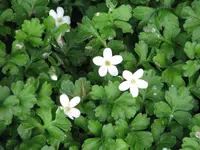
The plant produces small, white, four-petaled flowers held just above the foliage, which are adapted to attract small insects in its native riparian habitats.

FAQs about Ellisiophyllum pinnatum

This species spreads moderately by creeping stems and self‑seeding when moist conditions are stable. In small ponds or wet margins it can form low mats, but it is usually manageable with periodic thinning and edging.

Grow Healthy Plants with Botan Care

Keep your plants happy and healthy with plant identification, disease detection, and easy care guidance.

Botan plant care app — identify plants on mobile

Explore More Plants