
Stars Identification (Pauridia capensis)

To recognize Pauridia capensis, look for a small bulb-forming plant with narrow, grasslike basal leaves and single flowers held on slender, leafless stalks above the foliage.

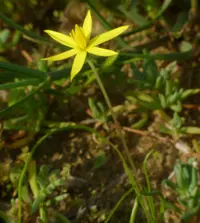
Each flower typically has six white tepals, often with a yellow center, giving a simple, star-shaped outline at first glance.

Pauridia capensis Identification

Check Your Plant ID

Upload a clear photo to check your plant identification with Botan.

Clear images work best. Avoid photos taken too close or too far away

Use these quick checks to judge whether a plant matches Pauridia capensis.

  • Low, tufted bulb-forming plant with no woody stem, usually only a few inches tall.
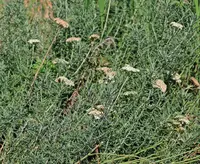
  • Leaves are all basal, narrow and grass-like, rising in a small fan or clump from the base.
  • Flowers are star-shaped with 6 tepals, usually white to pale pink with a yellow center.
  • Each flower sits singly on a slender, leafless stalk held above the leaves.
  • The center shows several yellow stamens, making a small bright eye against the pale petals.

Check the leaf clump and 6-part flower together for the most useful visual match.

Pauridia capensis shows useful visual shifts mainly between juvenile foliage, flowers, and fruit.

  • Juvenile plant: Early plants appear as a small basal tuft of narrow, grasslike leaves, with no obvious stem and a tighter outline than flowering specimens.
  • Flowering stage: In bloom, slender leafless stalks rise above the tuft to about 6 inches (15 cm), each carrying a starry white flower with a yellow center.
  • Fruiting stage: After flowering, the petals drop and the stalk holds a small developing capsule, making the plant look sparser and more seed-bearing than showy.

Pauridia capensis is most distinctive in its growing and flowering season. In late winter to spring, fresh narrow leaves appear close to the ground, followed by small starry flowers that make the plant much easier to spot. After flowering, the display fades and the plant can retreat to a much less noticeable dormant state, with the leaves dying back and little visible above ground.

Pauridia capensis is native to the southwestern Cape of South Africa, especially the winter-rainfall Cape Floristic Region. It occurs in seasonally wet places such as flats, seeps, and damp sandy or loamy ground, often in open lowland vegetation. That setting helps with identification because a small geophyte, meaning a plant with an underground storage organ, found in winter-wet Cape habitats is more likely to fit this species than similar plants from drier or summer-rainfall regions.

Confirm the Species with Botan

Use a photo to identify or verify the plant, which helps avoid mix-ups before you label it or compare similar plants.

FAQ

The flowers are small, star-shaped, and usually white to pale yellow, with six petal-like tepals and a yellow center. This bloom shape is a key part of Pauridia capensis identification when plants are in flower.

More Plant Identification Guides

Find Out What Plant It Is

Use a photo with Botan to identify it, then get plant details, care information, and common problems for that species.

Botan app identifying a plant from a photo
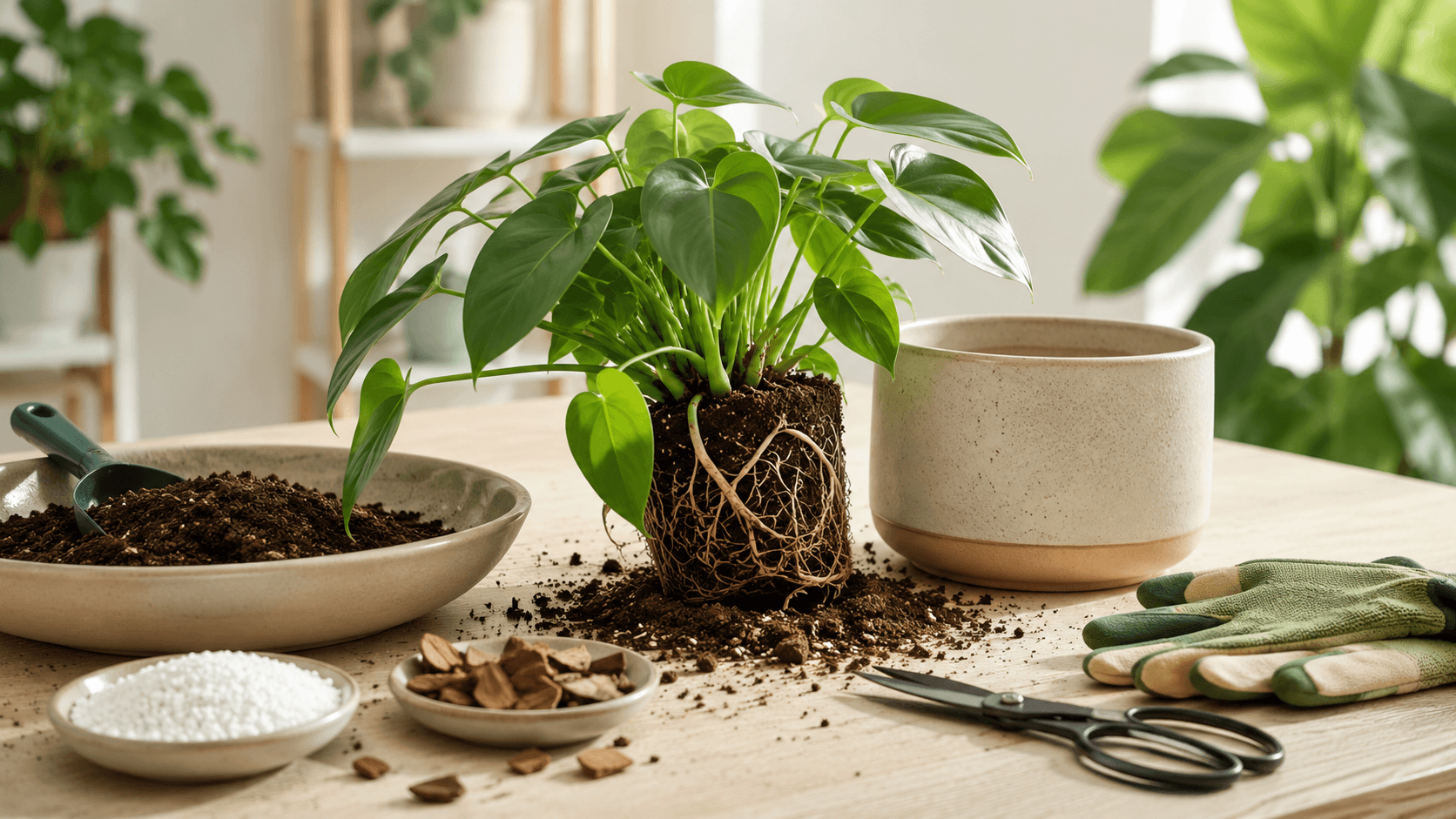
How to Repot a Plant: A Step-by-Step Guide

7 min read · 28 May 2026

How to Repot a Plant: A Step-by-Step Guide

In spring, many plants need repotting—an essential part of care. To avoid stress, consider the plant’s type and size. This article offers a step-by-step guide for repotting indoors or outdoors and shows how to check plant health and get care tips using the Botan app.

Plant Care
How to Repot a Plant: A Step-by-Step Guide
How to Tell if a Plant Is Dead

6 min read · 19 Aug 2026

How to Tell if a Plant Is Dead

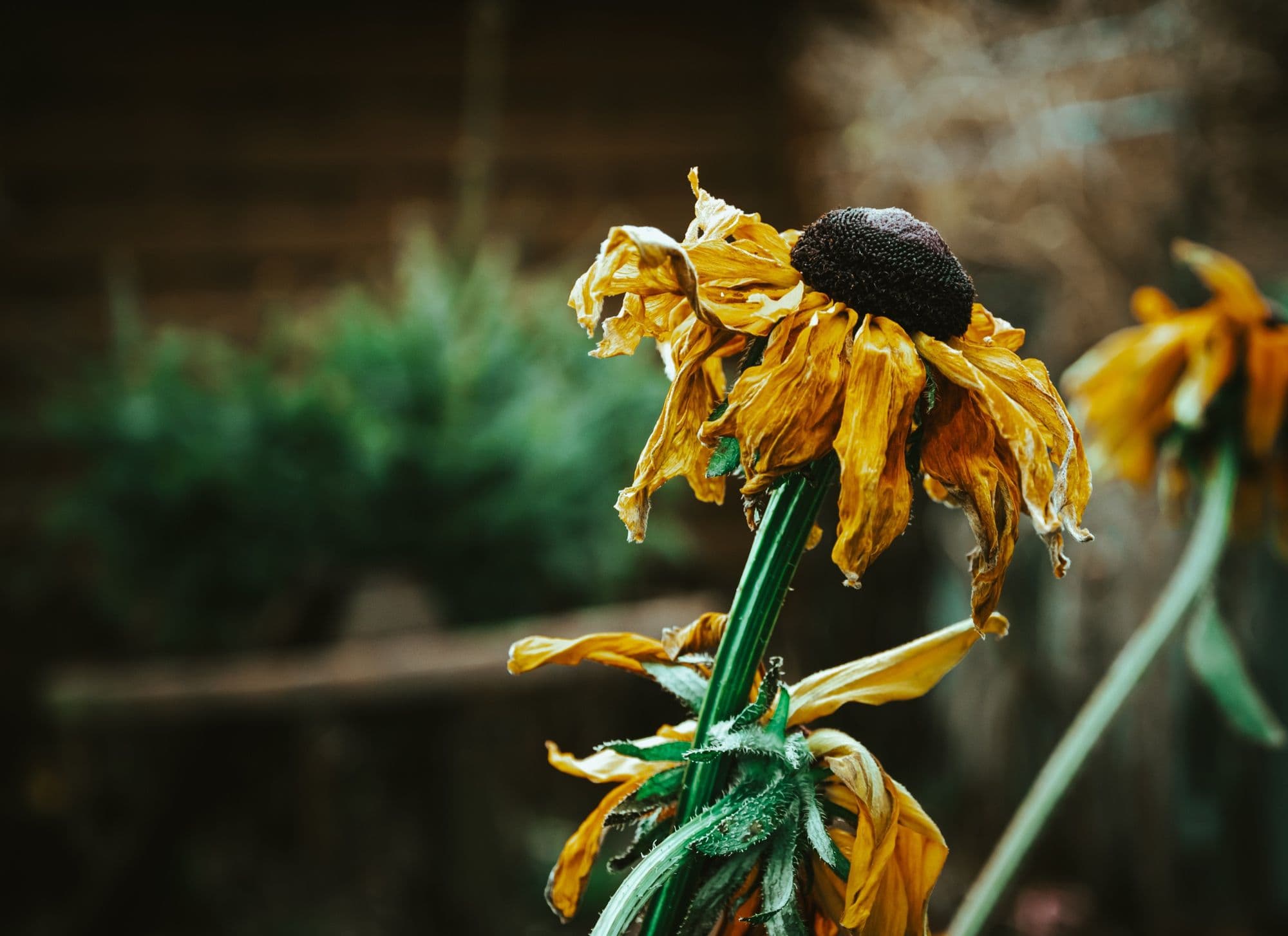
A plant can lose its leaves, stop growing, or collapse and still remain alive. A closer look at the stems, roots, bulbs, and tubers can show whether the plant still has a chance to recover.

Beginner Guides
How to Tell if a Plant Is Dead
Top 5 Best Indoor Plants for Air Quality

5 min read · 11 Sept 2026

Top 5 Best Indoor Plants for Air Quality

Indoor plants can make a room feel fresher thanks to their air-purifying qualities. Here are 5 of the most suitable choices for your routine and living space.

Plant Recommendations
Top 5 Best Indoor Plants for Air Quality