


Wide, shallow pots
Use a broad, shallow pot rather than a deep one to accommodate the plant’s creeping rosette and allow new offsets to form and root without crowding the center crown.

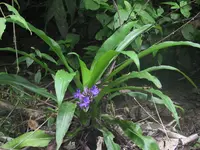
Fragrant snailthread, Cochliostema odoratissimum, is a tropical understory plant from Central and South America, grown mainly for its striking rosettes of broad, arching leaves. The foliage is usually deep green with a glossy surface, giving it a lush, almost architectural look in indoor collections.
It forms dense clumps and produces small, fragrant flowers held on twisting stems that give the plant its common name. In cultivation it prefers warm, humid, shaded conditions similar to bromeliads.
The plant can be somewhat demanding, as it dislikes cold, dry air and irregular moisture. Gardeners who learn how to care for fragrant snailthread often keep it as a specialty foliage plant in terrariums or greenhouses.

Care Difficulty
Hard Care

Light Preference
Bright Indirect Light

Water Requirements
Keep Soil Moist

Temperature Preference
Tropical / Frost Sensitive

Hardiness Zone
11–12

Soil Texture
Loamy, Peaty, Organic-rich

Soil pH
Acidic (5.5–6.5), Slightly acidic (6.5–7.0)

Soil Drainage
Moist but well-drained

Fertilization
Light (every 4–6 weeks)
Scan your plant to receive care tips personalized for your specific plant
Available on iOS and Android
Cochliostema odoratissimum prefers bright, filtered light that mimics a shaded tropical understory.
This species needs consistently moist but airy conditions that never stay soggy for long.
This plant thrives in warm, stable conditions similar to a humid tropical forest floor.
This species needs high, stable humidity to thrive indoors.
This plant prefers a loose, airy, organic-rich mix that drains quickly but retains some moisture.
This species is well suited to container growing due to its compact, rosette-forming habit.
This understory tropical prefers light, consistent feeding rather than heavy fertilization when grown as fragrant snailthread indoors.
Cochliostema odoratissimum needs only light, maintenance pruning to keep its rosette tidy and healthy.
This plant prefers stable root conditions and benefits from infrequent, careful repotting in containers.
Cochliostema odoratissimum is usually propagated in cultivation by division rather than seed.
This tropical species is frost tender and needs warm, stable conditions through winter in temperate climates.

Plant Health Check
Not sure what's wrong with your plant? Check your plant's health inside the app.
This species often grows as an epiphyte on tree trunks in humid forests, forming rosettes that trap leaf litter and water, which then provide nutrients as they break down.
The common name fragrant snailthread refers to its tightly coiled, threadlike flower stalks that uncoil as the inflorescences develop, creating a visually unusual spiral structure.
It produces showy blue to violet flowers with a noticeable fragrance, a relatively uncommon combination in shade-loving understory monocots.

The large, glossy leaves can exceed 60 cm in length in mature plants in habitat, giving this understory epiphyte a markedly tropical, almost architectural presence despite its often shaded growing conditions.
Lack of blooms usually comes from insufficient maturity, low light intensity, or irregular feeding. Consistent warmth, stable humidity, and a balanced, dilute fertilizer during active growth support flower production. Avoid drastic temperature swings or repeated repotting during bud formation.
Keep your plants happy and healthy with plant identification, disease detection, and easy care guidance.

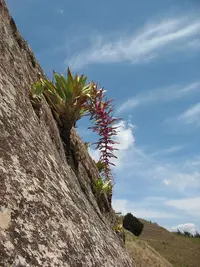
Tillandsia australis
Tillandsia australis
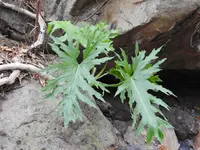
Philodendron warszewiczii
Philodendron warszewiczii
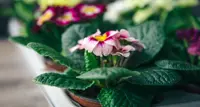
Brazilian gloxinia
Sinningia speciosa

Koghis kauri
Agathis lanceolata
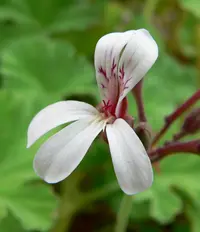
apple geranium
Pelargonium odoratissimum
 POPULAR
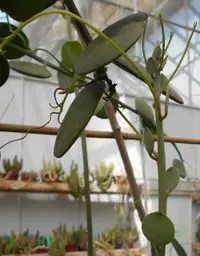
Silver Dollar Vine
Xerosicyos danguyi
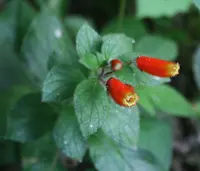
Kohleria tubiflora
Kohleria tubiflora
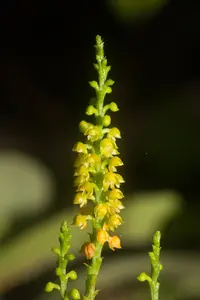
lesser yellowspike orchid
Polystachya foliosa