Hoary Willowherb Care (Epilobium parviflorum)

Also known as: smallflower hairy willowherb, small-flowered willowherb, Smaller hairy willowherb
Hoary Willowherb

About Hoary Willowherb

Hoary willowherb, Epilobium parviflorum, is a herbaceous perennial from the evening primrose family, typically found in damp meadows, stream banks, and other moist habitats. It is native to Europe and Western Asia but has naturalized in parts of North America.

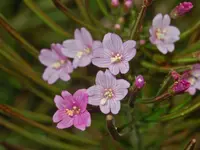
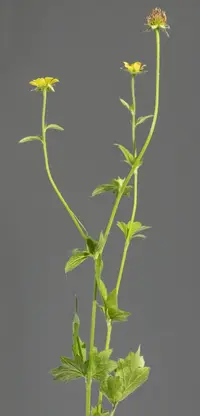
The plant forms upright, slender stems with soft, slightly hairy foliage and many small, pale pink to whitish flowers along the upper stem. It spreads mainly by seed and can self-sow where conditions are suitable.

Hoary willowherb grows best in moist, well-drained soil with good light and is generally undemanding, which makes it relatively easy to establish. Gardeners who want to learn how to care for Hoary Willowherb mainly need to focus on providing consistent moisture and preventing unwanted spread.

Main Plant Requirements

Care Difficulty

Easy Care

Light Preference

Full Sun

Water Requirements

Regular Water

Temperature Preference

Cold Hardy

Hardiness Zone

5–9

Soil Texture

Loamy, Silty, Organic-rich

Soil pH

Slightly acidic (6.5–7.0), Neutral (7.0)

Soil Drainage

Moist but well-drained

Fertilization

Minimal (feed rarely)

Get Personalized Care Plan

Scan your plant to receive care tips personalized for your specific plant

Available on iOS and Android

How to Care for the Hoary Willowherb

Epilobium parviflorum grows best in bright outdoor conditions with moderate direct sun exposure.

  • Provide 4–6 hours of direct sun daily, ideally morning sun with light or dappled shade from early afternoon onward.
  • Hoary Willowherb tolerates partial shade, but in dense shade stems elongate, flowering decreases, and plants may lean toward brighter areas.
  • In hot summers, protect from intense afternoon sun to avoid leaf scorch; in cooler climates, a more open, sunny position supports stronger growth and flowering.

Epilobium parviflorum prefers consistently moist but not waterlogged soil, especially during active growth.

  • Allow the top 2–3 cm of soil to dry slightly between waterings, then water until the root zone is evenly moist but not soggy.
  • In spring and summer, check soil every few days; in cooler or rainy seasons, reduce watering frequency and rely more on natural rainfall.
  • Wilting and dry, crisp leaf edges suggest underwatering, while yellowing lower leaves and persistently wet, heavy soil indicate poor drainage or overwatering.

This hardy perennial tolerates a wide temperature range typical of temperate outdoor climates.

  • Active growth is strongest around 60–75°F (16–24°C), with cool nights supporting sturdy stems and flowering.
  • Mature plants survive down to about 0°F (−18°C) in the ground, dying back above soil level and re-sprouting in spring.
  • Short hot spells up to 85–90°F (29–32°C) are tolerated if soil remains moist, but prolonged heat and drought can cause leaf scorch and reduced flowering.

This species tolerates a wide humidity range and usually needs no special humidity management.

Epilobium parviflorum prefers moist, well-structured soil that stays aerated and never stagnant.

  • Use a loamy mix combining garden soil, compost, and coarse sand to balance water retention and drainage.
  • Aim for slightly acidic to neutral pH around 6.0–7.0, avoiding strongly alkaline or saline substrates.
  • Blend in coarse sand or fine grit to improve aeration and prevent compaction in heavier soils.
  • Avoid waterlogged, high-clay ground or pure sand, which either suffocates roots or dries out too quickly.

This species can be grown in containers if moisture and root space are carefully managed.

  • Choose a deep container that allows the taproot and spreading side roots to develop without circling tightly.
  • Select a heavy or wide-based pot to resist tipping as stems elongate and the top growth becomes wind-exposed.
  • Use a moisture-retentive but gritty mix so the substrate stays evenly damp while excess water drains rapidly.

This wild perennial usually needs no fertilizer in garden soil, but light feeding can support container-grown Hoary Willowherb.

  • Use a balanced, dilute liquid fertilizer (around 10-10-10) at 1/4–1/2 strength for plants in pots or very poor soil.
  • Feed every 4–6 weeks during active growth in spring and summer, after watering to avoid root burn.
  • Stop fertilizing in late summer; do not feed in winter when growth slows or the plant is dormant.
  • In beds, a thin layer of compost in spring is usually enough for Epilobium parviflorum care.

Thoughtful pruning keeps Epilobium parviflorum tidy and can modestly extend flowering.

  • Cut back spent flower spikes in mid to late summer to reduce self-seeding and encourage fresh side growth.
  • Remove dead, damaged, or diseased stems whenever noticed, using clean, sharp hand pruners or scissors.
  • Thin crowded stems at the base in early spring to improve air movement and reduce foliar disease risk.
  • Shear plants lightly after flowering if a neater, more compact clump is desired in ornamental plantings.

This species is more often transplanted in the ground than grown long term in containers.

  • Transplant clumps in early spring or early autumn when weather is cool and soil is moist but not waterlogged.
  • Move plants if growth declines, stems become crowded, or seedlings appear in unwanted areas of the garden.
  • Lift the root mass carefully, keeping as much soil as possible around the roots to reduce stress and wilting.
  • Replant at the same depth, water thoroughly, then keep soil evenly moist for 1–2 weeks while roots re-establish.

Epilobium parviflorum propagates readily from seed and by division of established clumps.

  • Sow fresh seed in autumn or early spring on the soil surface; light aids germination, so do not bury deeply.
  • Keep seed trays or prepared beds evenly moist and cool; germination is best in 50–65°F conditions.
  • Divide mature clumps in early spring, separating rooted sections with a sharp spade or knife.
  • Replant divisions promptly at original depth, firm soil around roots, and water well until new growth resumes.

This hardy perennial needs minimal winter care in most temperate climates.

  • Plants tolerate typical frost and freezing in USDA zones where they naturally occur.
  • In colder regions or exposed sites, add a 3–5 cm mulch layer around the crown after the ground begins to cool.
  • Allow top growth to die back naturally, then remove dead stems in late winter or early spring to tidy the plant.

Care Tips

Controlled self-seeding

If you want natural reseeding without overcrowding, leave a few mature seed heads on the healthiest plants and deadhead the rest before seeds disperse on the wind.

Patch rejuvenation

Every 2–3 years, thin out older, woody stems in early spring and lightly cultivate the soil surface to keep the stand vigorous and prevent dense, unproductive clumps.

Targeted slug control

In moist sites where slugs damage young shoots, place rough copper tape or shallow beer traps at ground level around new plantings instead of using broad-spectrum pellets that harm beneficial wildlife.

Streambank stabilization use

On sloped or streamside areas, plant in staggered rows to create a living mat of roots that helps hold soil, then allow moderate spread while removing any seedlings that appear in sensitive native habitats.

Herbal harvest timing

For those growing Hoary Willowherb for herbal use, harvest leafy stems just before peak flowering on a dry day, then air-dry in a single layer in shade with good airflow to preserve active compounds.

Common Pests and Diseases

Rust

This disease causes small orange, brown, or rust-colored pustules on the underside of leaves, often with yellowing above. Symptoms include premature leaf drop and reduced vigor in dense, moist stands.

Solution

Remove and dispose of heavily infected leaves to reduce spore load, and thin or cut back overcrowded stems to improve airflow and reduce leaf wetness duration. In wet climates, avoid overhead watering and, if needed, apply a sulfur or copper-based fungicide labeled for ornamental perennials at first appearance, following local regulations and label directions.

Powdery mildew

This disease produces a white, powdery film on leaves and young stems, which can cause distortion and reduced growth in humid but not overly wet conditions. Symptoms include dull, greyish foliage and early leaf senescence.

Solution

Increase spacing and light exposure so foliage dries quickly, and remove the most affected stems to limit spread. In persistent cases, use a horticultural oil or potassium bicarbonate spray labeled for powdery mildew, applying in the evening and avoiding treatment during high heat to prevent leaf burn.

Aphids

These insects cluster on young stems, flower spikes, and leaf undersides, sucking sap and causing curling, distortion, and sticky honeydew that can attract sooty mold. This pest tends to build up rapidly on lush, nitrogen-rich growth.

Solution

Wash colonies off with a firm stream of water, focusing on shoot tips and the undersides of leaves, and repeat every few days until numbers drop. For heavier infestations, apply insecticidal soap or neem oil thoroughly to all green parts, and encourage or protect natural predators such as lady beetles by limiting broad-spectrum insecticides.

Leaf spot

This disease causes small, dark, water-soaked or tan spots on leaves that may merge into larger blotches, especially in prolonged wet weather. Symptoms include tattered or prematurely dropped foliage on lower parts of the plant.

Solution

Remove and discard affected leaves and plant debris to reduce the source of infection, and water at the base rather than overhead so foliage stays dry. If spotting recurs every season, thin plants for better air movement and consider a preventive copper or chlorothalonil spray at the start of wet periods, following label instructions carefully.

Spider mites

These pests are tiny sap-feeding arachnids that cause fine stippling, a dull or bronzed look to foliage, and very fine webbing in hot, dry conditions. This pest is more common when plants grow in full sun with low humidity and drought stress.

Solution

Increase humidity around the plants with more frequent but deep watering and, if possible, light overhead rinsing in the morning to remove mites from foliage. For ongoing problems, spray the undersides of leaves with insecticidal soap or a horticultural oil labeled for mites, repeating at 5–7 day intervals until new growth appears clean.

Interesting Facts

Specialist of damp soils

This species naturally occupies wet, nutrient-rich habitats such as stream banks, fens, and marshy meadows, where its slender creeping rhizomes help anchor the plant in unstable, periodically flooded soils.

Pollen-only rewards

Its small, pale pink flowers produce pollen but little to no nectar, so they mainly attract pollen-collecting insects like small bees and hoverflies rather than nectar-feeding specialists.

Hybridization within the genus

In regions where related willowherb species grow close together, it can form hybrids, which makes field identification challenging and has led botanists to study its floral and leaf traits very carefully.

FAQs about Hoary Willowherb

This species spreads readily by wind-dispersed seed and short rhizomes, especially in open, moist soil. In gardens it can become weedy. Regular deadheading and removing unwanted seedlings limit spread and support more controlled Epilobium parviflorum care.

Grow Healthy Plants with Botan Care

Keep your plants happy and healthy with plant identification, disease detection, and easy care guidance.

Botan plant care app — identify plants on mobile

Explore More Plants