Regular fruit removal
Harvest ripe berries frequently and remove dropped fruit so the plant keeps setting new clusters and self-seeding stays under control in beds or containers.

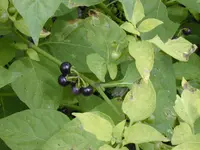
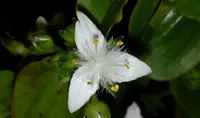
American black nightshade (Solanum americanum) is a small, short-lived herbaceous plant that often behaves as an annual. It typically forms bushy clumps with smooth stems, white star-shaped flowers, and clusters of small, shiny black berries.
This species occurs in many warm and temperate regions, often appearing as a volunteer plant in gardens, fields, and disturbed soils. It grows quickly and can self-seed, so it may spread where conditions suit it.
It generally prefers sun to light shade, moderate moisture, and reasonably fertile, well-drained soil. Gardeners who want to care for American black nightshade should understand its tendency to reseed and manage it accordingly.

Care Difficulty
Easy Care

Light Preference
Partial Sun

Water Requirements
Moderate Water

Temperature Preference
Tropical / Frost Sensitive

Hardiness Zone
8–11

Soil Texture
Sandy, Loamy, Organic-rich

Soil pH
Acidic (5.5–6.5), Slightly acidic (6.5–7.0)

Soil Drainage
Moist but well-drained

Fertilization
Minimal (feed rarely)
Scan your plant to receive care tips personalized for your specific plant
Available on iOS and Android
This species prefers bright, indirect light and benefits from moderate daily sun exposure outdoors.
This plant prefers steadily moist but not waterlogged soil, with short dry periods between waterings.
This warm-season species grows best in mild to warm conditions without frost exposure.
This species tolerates a wide humidity range but grows best in moderately moist air.
Solanum americanum prefers loose, moist, well-drained soil that does not stay waterlogged.
This species is suitable for growing in containers outdoors.
This species is adaptable and usually needs only light feeding, especially when growing American black nightshade in poor or disturbed soils.
Pruning Solanum americanum is mainly about light tidying rather than structural shaping.
This plant is most often grown in the ground, so focus on gentle transplanting rather than frequent repotting.
Solanum americanum is most commonly propagated from seed, which germinates readily under suitable conditions.
In mild climates this species often self-seeds and needs little targeted winter care outdoors.

Plant Health Check
Not sure what's wrong with your plant? Check your plant's health inside the app.
This species is native to parts of the Americas but now grows as a naturalized weed in many tropical and subtropical regions worldwide, especially in disturbed sites like crop fields, roadsides, and gardens.
The small black berries can vary in chemical composition between populations, and while some traditional food uses are documented for closely related nightshades, the toxicity of this particular species is considered uncertain enough that consumption is not recommended.
The plant can act as an alternative host for several important crop diseases, including some viruses and fungal pathogens, which makes it a concern in agricultural systems where it can help pests and diseases persist between growing seasons.

Genetic and morphological studies have shown that plants once lumped together under the old name Solanum nigrum in many floras actually represent a complex of several distinct species, and Solanum americanum is now recognized as one of these separate, well-defined lineages with its own global distribution pattern.
All parts contain toxic alkaloids, especially unripe green berries and leaves. Symptoms can include vomiting, diarrhea, salivation, weakness, and neurological signs. Treat this species as poisonous, keep it away from children and pets, and seek veterinary or medical help if ingested.
Keep your plants happy and healthy with plant identification, disease detection, and easy care guidance.