Rubus polyanthemus Care

Rubus polyanthemus

About Rubus polyanthemus

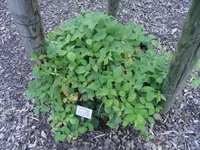
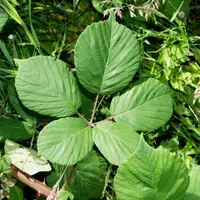
Rubus polyanthemus is a deciduous bramble species in the rose family, forming arching, often thorny canes and a dense, scrambling thicket over time. It typically bears compound leaves and small, clustered flowers that develop into aggregate fruits, similar to other wild raspberries or blackberries.

This species occurs naturally in parts of Europe, where it colonizes woodland edges, clearings, and other semi-wild habitats. It tends to be vigorous and can spread quickly, which makes it robust but sometimes difficult to control in gardens.

To care for Rubus polyanthemus, provide a sunny to lightly shaded position, reasonably moist but well-drained soil, and space for its canes to grow without crowding other plants.

Main Plant Requirements

Care Difficulty

Moderate Care

Light Preference

Partial Sun

Water Requirements

Moderate Water

Temperature Preference

Cool Climate

Hardiness Zone

6–9

Soil Texture

Loamy, Silty, Organic-rich

Soil pH

Acidic (5.5–6.5), Slightly acidic (6.5–7.0)

Soil Drainage

Moist but well-drained

Fertilization

Minimal (feed rarely)

Get Personalized Care Plan

Scan your plant to receive care tips personalized for your specific plant

Available on iOS and Android

How to Care for the Rubus polyanthemus

This bramble thrives in bright outdoor conditions with a balance of direct sun and partial shade.

  • Provide 4–6 hours of direct sun daily, ideally morning sun with light or dappled shade in the hot afternoon to reduce leaf scorch risk.
  • Allow partial shade, especially in warmer regions; fruit set may decline if daily sun drops below about 3–4 hours in summer.
  • Position Rubus polyanthemus where it receives maximum winter and early-spring light, as low sun angles can otherwise reduce flower-bud and cane development.

This shrub prefers consistently moist but not saturated soil, with adjustments for season and site conditions.

  • Water when the top 3–5 cm of soil feels dry, applying a deep soak that moistens the full root zone rather than frequent light sprinkles.
  • Increase watering frequency during hot, dry spells and fruiting; reduce in cool, wet periods while ensuring soil still drains freely.
  • Watch for wilted, dull leaves and small berries as signs of underwatering, and yellowing, soft canes or sour-smelling soil as signs of overwatering and poor drainage.

This species is a cool- to temperate-climate bramble with high cold tolerance and moderate heat tolerance.

  • Support vigorous growth by maintaining ambient conditions around 60–75°F (16–24°C) during the main growing season where possible.
  • Mature plants tolerate winter lows to about 0–5°F (-18 to -15°C) when fully dormant, though young canes benefit from mulch for root insulation.
  • In summer, growth and fruit quality may decline above 90°F (32°C); use mulch and light afternoon shade to keep roots cooler and reduce heat stress.

This shrub handles a wide humidity range but benefits from moderately moist air.

  • Target 40–60% humidity, which suits most outdoor garden conditions in temperate climates.
  • It tolerates short dry spells in the air, but very dry, hot winds can crisp leaf edges and reduce vigor.
  • If foliage shows browning margins or drooping in heat, shelter plants from drying winds and mulch soil to stabilize moisture.

Rubus polyanthemus performs best in moist, well-structured mineral soil with plenty of organic matter.

  • Use a loamy, slightly clay-based soil amended with compost to improve structure and moisture retention without becoming waterlogged.
  • Aim for pH 6.0–7.0; in more alkaline soils, mix in leaf mold or well-rotted manure to buffer and add organic acids.
  • Ensure drainage by avoiding compacted sites and, if needed, incorporating coarse sand or fine gravel into heavy clay layers.
  • Avoid poorly drained hollows or constantly saturated spots, which promote root rot and reduce oxygen around the roots.

This species can be grown in large containers if given ample root space and firm support.

  • Choose a deep, heavy pot 40–50 cm wide to balance vigorous top growth and reduce tipping in wind.
  • Use a sturdy trellis or wires fixed directly to the container or adjacent structure to control arching or scrambling canes.
  • Select thick-walled terracotta or similar porous material to moderate moisture swings while still allowing excess water to evaporate.

This wild-type bramble typically needs minimal feeding in reasonably fertile soil.

  • For poor or sandy ground, apply a light layer of well-rotted compost around the root zone in early spring.
  • If growth is weak, use a balanced NPK granular or slow-release fertilizer at 1/2 label rate once in spring.
  • Avoid summer overfeeding, which encourages lush, weak shoots and fewer flowers.
  • Do not fertilize Rubus polyanthemus in late fall or winter to prevent soft, frost-prone growth.

Thoughtful pruning helps keep Rubus polyanthemus productive, accessible, and healthy.

  • Carry out main pruning in late winter or very early spring before new growth starts.
  • Remove dead, damaged, crossing, or heavily shaded canes at ground level first.
  • Thin crowded stems to improve air flow and light penetration, reducing disease risk.
  • Use clean, sharp bypass pruners or loppers and cut just above an outward-facing bud to guide growth.

This bramble is usually grown in the ground, so focus on careful transplanting rather than frequent repotting.

  • Transplant in early spring or early fall when temperatures are mild and soil is moist.
  • Move plants when growth slows, canes are overcrowded, or roots densely fill a nursery pot.
  • Lift with a wide root ball, disturb roots as little as possible, and replant at the same depth.
  • Water thoroughly after planting, then keep soil evenly moist and shaded for 1–2 weeks to reduce stress.

Rubus polyanthemus is commonly increased by simple vegetative methods.

  • Use tip layering in late summer, pegging a flexible cane tip into moist soil until it roots, then sever next season.
  • Take semi-ripe stem cuttings in midsummer, root in a free-draining mix under high humidity and bright, indirect light.
  • Divide young clumps in early spring, ensuring each division carries healthy buds and roots.
  • Sow fresh seed in fall outdoors or after cold stratification, since many brambles need chilling to germinate.

This species is typically cold hardy in temperate climates and needs only modest winter care outdoors.

  • Tolerates normal frosts once established, though first-year plants appreciate extra protection.
  • Apply a 5–8 cm layer of organic mulch around the root zone in late fall, keeping it off the canes.
  • In very cold or exposed sites, loosely tie canes together and shelter with breathable fleece or a windbreak.
  • Container-grown plants are more vulnerable; move pots into a sheltered, unheated spot to prevent root freeze–thaw damage.

Care Tips

Cane replacement plan

After fruiting, remove the 2-year-old canes at ground level during late winter and leave only strong 1-year-old canes, so the plant constantly renews productive wood and does not turn into a congested thicket.

Wire support system

Install a simple 2–3 wire trellis at 45–90 cm and 120–150 cm heights and loosely tie canes with soft ties, which keeps fruiting wood upright, improves air flow, and makes harvest and disease inspection much easier.

Targeted tip layering

In late summer, bend a few healthy first-year cane tips to the soil, bury 3–5 cm of the tip and secure with a U-shaped pin, then sever and transplant rooted layers the following spring to expand a planting with known, vigorous stock.

Sanitation around rows

Keep a 30–60 cm vegetation-free strip along the row using mulch or careful shallow cultivation, removing fallen fruit and old prunings promptly to reduce fungal disease pressure and overwintering pests when growing Rubus polyanthemus.

Bird and wildlife management

Drape fine bird netting over a support frame before fruits start to color, ensuring the mesh is kept off the canes, to protect the crop while still allowing air movement and light penetration.

Common Pests and Diseases

Raspberry beetle

This pest targets flower buds and young fruits, causing misshapen berries with dry, brown patches and small white larvae inside. Symptoms include poor fruit set and damaged drupelets on cluster-forming canes.

Solution

Collect and destroy affected fruits and spent flower trusses, and prune out tip growth that carried heavy infestations. For larger plantings, use monitoring traps and apply a targeted spinosad-based spray just before and during flowering, following label directions and avoiding times when pollinators are active.

Cane blight

This disease causes dark, sunken lesions on canes, often starting at pruning wounds, leading to cane dieback and reduced fruiting. Symptoms include brittle, cracked stems and sudden wilting of lateral shoots in summer.

Solution

Cut out and remove infected canes to ground level during dry weather and dispose of them away from the planting. Avoid wounding canes in wet conditions, make clean angled cuts, maintain good spacing for airflow, and consider a registered fungicide spray at bud break if cane blight has been a recurring problem.

Verticillium wilt

This disease affects the vascular system, leading to uneven yellowing, marginal leaf scorch, and progressive dieback of canes, often starting on one side of the plant. Symptoms include poor vigor and failure to produce normal new shoots or fruit clusters.

Solution

Remove and destroy severely affected plants including as much root material as possible, and avoid replanting Rubus in the same spot. Improve drainage, avoid planting near hosts such as tomatoes, potatoes, or eggplants, and choose new sites with a long history free of verticillium-prone crops when planning to grow Rubus polyanthemus.

Botrytis fruit rot

This disease causes soft, water-soaked berries that quickly develop gray, fuzzy mold, especially in cool, damp weather and dense plantings. Symptoms include rapid breakdown of ripening fruit in the cluster.

Solution

Harvest fruit frequently and remove all overripe or moldy berries from the plant and soil surface. Improve airflow by thinning canes, avoid overhead watering near harvest, and in chronic cases use a labeled botrytis fungicide timed to flowering and early fruit set.

Two-spotted spider mite

These insects feed on the undersides of leaves, causing fine stippling, dulling of foliage, and in heavy infestations, webbing and premature leaf drop. Symptoms include stressed canes and reduced fruit size during warm, dry periods.

Solution

Rinse foliage thoroughly with a firm stream of water, focusing on leaf undersides, and repeat several times over 7–10 days. For persistent problems, apply insecticidal soap or horticultural oil, keep the planting adequately watered to reduce stress, and conserve natural predators by avoiding broad-spectrum insecticides.

Interesting Facts

Central European bramble

This species is a wild bramble native to parts of Central Europe, especially Germany and surrounding regions, where it forms part of complex local Rubus floras with many closely related microspecies.

Part of Rubus fruticosus agg.

Rubus polyanthemus is usually treated as one of the many apomictic taxa within the Rubus fruticosus aggregate, meaning it often reproduces via apomixis, a type of seed formation without normal sexual fertilization that helps maintain very stable local forms.

Identification by leaf and cane

Field botanists separate this species from similar brambles using a combination of its leaf shape, prickle pattern on the canes, and floral characteristics, which are stable enough to allow consistent determination in Central European floras.

FAQs about Rubus polyanthemus

This species spreads by arching canes that root where they touch soil and by suckering from the base. In suitable conditions it can form dense thickets, so edging, mowing, or root barriers are often needed to contain it.

Grow Healthy Plants with Botan Care

Keep your plants happy and healthy with plant identification, disease detection, and easy care guidance.

Botan plant care app — identify plants on mobile

Explore More Plants