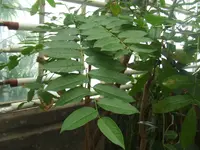
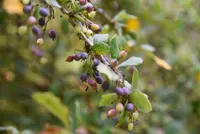
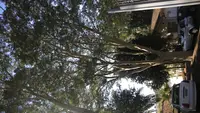
beach bird's eye Care (Alectryon coriaceus)

Also known as: beach alectryon
beach bird's eye

About beach bird's eye

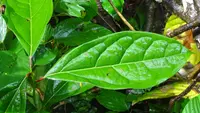
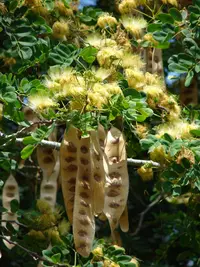
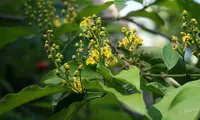
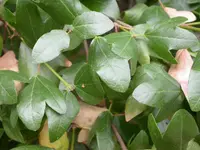
Beach bird's eye (Alectryon coriaceus) is a coastal shrub or small tree native to eastern Australia, often found in coastal forests and sandy dune areas. It has leathery, dark green leaves and produces small flowers followed by decorative capsules that split to reveal shiny dark seeds. The plant is adapted to salt-laden winds and poor, sandy soils, which makes it relatively resilient in tough coastal conditions. For gardeners wanting to care for beach bird's eye, its tolerance of wind and salt makes it a good choice for sheltered coastal gardens with well-drained soil and moderate moisture.

Main Plant Requirements

Care Difficulty

Moderate Care

Light Preference

Full Sun

Water Requirements

Moderate Water

Temperature Preference

Warm Climate

Hardiness Zone

9–11

Soil Texture

Sandy, Loamy, Rocky

Soil pH

Acidic (5.5–6.5), Slightly acidic (6.5–7.0)

Soil Drainage

Well-drained

Fertilization

Minimal (feed rarely)

Get Personalized Care Plan

Scan your plant to receive care tips personalized for your specific plant

Available on iOS and Android

How to Care for the beach bird's eye

This coastal tree prefers stable, bright conditions that mimic its natural seaside habitat.

  • Provide 4–6 hours of direct sun daily, ideally gentle morning sun with light shade or filtered light in the afternoon to reduce leaf scorch risk.
  • Site beach bird's eye in full sun to light partial shade; trees in heavier shade grow thinner, with sparse foliage and reduced flowering and fruiting.
  • In hotter inland areas, give protection from intense sun between 1–4 p.m., while in cooler or coastal climates it tolerates full sun all day.

This species prefers free-draining soil and steady, moderate moisture once established.

  • Allow the top 3–5 cm of soil to dry before deep watering, then water until the root zone is moistened and excess drains away to prevent waterlogging.
  • In the first 1–2 years, monitor closely during warm, dry periods; wilting new growth or dull, folding leaflets indicate the need for a thorough soak.
  • Reduce frequency in cool or wet seasons, especially on heavier soils; yellowing leaves, soft stems, or a sour soil smell suggest overwatering for Alectryon coriaceus.

This coastal tree favors mild, frost-free climates with moderate seasonal variation.

  • Best growth occurs around 65–80°F (18–27°C), where shoots extend steadily and foliage remains dense without heat stress.
  • Mature plants tolerate brief dips to about 28–30°F (-2 to -1°C), but young trees and new flushes are easily damaged by frost and may need protection.
  • Heat tolerance is good up to about 95°F (35°C) if soil moisture is maintained; prolonged hotter periods increase stress, so reduce other stresses such as pruning.

This coastal species handles a wide humidity range and usually needs no special humidity management.

  • Grows well at 40–60% relative humidity, similar to most outdoor conditions in mild coastal climates.
  • Tolerates short dry-air periods if soil moisture is maintained and roots are not stressed by heat or drought.
  • Watch for leaf-edge browning and finer leaf drop as potential signs of combined humidity and moisture stress in containers.

Alectryon coriaceus prefers freely draining, sandy to loamy substrates that mimic coastal soils.

  • Use a mix of roughly 50–60% sandy or loamy topsoil, 20–30% coarse sand, and 10–20% compost for structure and moderate fertility.
  • Ensure sharp drainage; incorporating coarse sand or fine gravel prevents waterlogging around the root zone.
  • Aim for slightly acidic to neutral pH (6.0–7.0), avoiding strongly alkaline or saline conditions that can slow growth.
  • Avoid heavy, compacted clay; improve aeration by blending in chunky materials such as fine bark chips or crushed, washed gravel.

This species can be grown in containers, especially while young or kept compact.

  • Choose a deep, heavy container that resists tipping as the woody canopy becomes taller and more wind-exposed.
  • Select a potting mix that drains faster than typical houseplant mixes by adding extra coarse sand or fine gravel.
  • Allow additional lateral root space, as restricted root spread in narrow pots can increase drought sensitivity and canopy dieback.

This coastal native tree grows reasonably well in poor soils, so fertilizing beach bird's eye is optional rather than essential.

  • Use a light application of slow-release, balanced NPK granules or well-rotted compost in early spring if growth appears weak or leaves pale.
  • Apply fertilizer only once per growing season in garden soil with at least moderate fertility.
  • Halve the label-recommended strength for container plants and water well afterward to avoid root burn.
  • Stop feeding in late summer to early fall so new growth can harden before cooler weather.

Pruning Alectryon coriaceus is mainly for structure, clearance, and removal of unhealthy wood.

  • Carry out main pruning in late winter to early spring before vigorous new growth starts.
  • Remove dead, diseased, or storm-damaged branches first, cutting back to sound wood with clean, sharp tools.
  • Thin congested interior branches to improve light penetration and airflow, encouraging a balanced crown.
  • Limit tip trimming to maintain desired size and shape without removing too much foliage in one season.

This species is usually grown in the ground, so management focuses on transplanting young trees rather than frequent repotting.

  • Transplant in late winter to early spring when temperatures are mild and soil is workable.
  • Look for signs such as roots circling the pot, water running off quickly, or slowed growth to decide when a container plant needs a larger space.
  • Shift into a hole or container only 1–2 sizes larger, keeping the root ball intact and backfilling with well-drained soil.
  • Water deeply after planting, then maintain even moisture and light shade for 1–2 weeks to reduce transplant shock.

Alectryon coriaceus is most reliably propagated from seed, with cuttings used less often and with lower success.

  • Collect ripe, fresh seed and clean off any fleshy coating, which can inhibit germination.
  • Sow in late winter to spring in a free-draining seed mix, keeping the medium just moist at 65–75°F.
  • Provide bright, indirect light and steady warmth; germination may be slow and uneven.
  • For semi-hardwood cuttings, use a rooting hormone, very sharp tools, and high humidity, expecting variable results.

This coastal tree is moderately frost tolerant in mild climates and usually needs minimal winter care once established.

  • In areas with light frosts, a 5–7 cm mulch layer around the root zone helps buffer soil temperature and conserve moisture.
  • Young or container-grown plants in colder sites benefit from a sheltered position away from cold winds.
  • Move potted specimens into a bright, frost-free spot if temperatures routinely drop below the species’ tolerance range.

Care Tips

Salt-wind acclimation

When planting near the coast, harden off young plants by first growing them in a slightly sheltered spot for 3–6 months, then gradually exposing them to stronger salt-laden winds to reduce leaf burn and transplant shock.

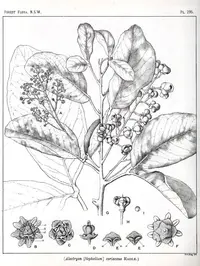
Wind-firm training

In windy or exposed sites, stake only lightly and for a short period, pruning back long, top-heavy shoots in the first 2–3 years so the plant develops a low, sturdy framework and stronger anchoring roots.

Understory companion use

Use this species as a light shade canopy over smaller coastal natives, which helps conserve soil moisture and reduces weed pressure while also buffering temperature swings around the root zone.

Targeted formative pruning

In the first few years, remove only crossing, inward-growing, or very low branches at the end of winter, which guides a single strong trunk and balanced crown without stimulating weak, dense regrowth.

Mulch and root protection

Maintain a 5–8 cm ring of coarse organic mulch around but not touching the trunk to keep shallow feeder roots cool and protected, which is especially valuable when caring for beach bird's eye in sandy or exposed soils.

Common Pests and Diseases

Rhyssomatus weevil

This pest is a native stem- and seed-feeding weevil that targets developing fruits and young shoots, causing distortion and premature fruit drop. Symptoms include small exit holes in fruits and dieback of tender twigs.

Solution

Remove and destroy infested fruits and affected shoot tips to reduce larval stages. Maintain good tree vigor with appropriate watering and pruning, and, in higher-value plantings, consider monitoring with visual inspection and using targeted, low-impact insecticides on young flushes only if damage is extensive and local regulations allow.

Leaf-chewing caterpillars

These insects feed on the thick, leathery leaves, leaving irregular holes and sometimes stripping new growth on young plants. Symptoms include chewed margins, missing leaf sections, and frass pellets on foliage or beneath the canopy.

Solution

Handpick visible caterpillars in small plantings and prune heavily damaged tips. For repeated or severe outbreaks, use a biological control such as Bacillus thuringiensis (Bt) on young larvae and encourage bird activity by maintaining nearby native vegetation as habitat.

Sooty mold

This disease is a black, powdery fungal growth that develops on honeydew excreted by sap-sucking insects such as scale or psyllids on the leaves and stems. Symptoms include blackened, sticky foliage and reduced photosynthesis, which can slow growth in younger trees.

Solution

Focus on controlling the honeydew-producing insects with gentle measures such as horticultural oil sprays and targeted removal of heavily infested branches. Wash affected foliage with a strong but gentle stream of water to remove mold and residue, improving light penetration and leaf function.

Scale insects

These insects attach to leaves, twigs, and small branches, sucking sap and weakening the plant, particularly in sheltered or coastal garden sites. Symptoms include small, dome-shaped or flattened bumps on stems, sticky honeydew, and possible yellowing of foliage.

Solution

Clip off and dispose of heavily infested twigs and leaves, then treat remaining colonies with horticultural oil, ensuring good coverage on the undersides of leaves and along stems. Support natural predators such as lady beetles by avoiding broad-spectrum insecticides and maintaining plant diversity around the tree.

Interesting Facts

Coastal rainforest native

This species occurs naturally in coastal rainforests and littoral thickets of eastern Australia, especially in New South Wales and Queensland, where it tolerates salt-laden winds better than many inland trees.

Conspicuous aril display

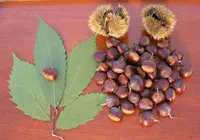
The tree bears black, glossy seeds that sit partly exposed in a bright red, fleshy aril, a structure that attracts birds which then disperse the seeds.

Thick, leathery foliage

Its leaves are notably thick and coriaceous (leathery in texture), an adaptation that helps reduce water loss and withstand harsh coastal conditions such as wind and salt spray.

FAQs about beach bird's eye

This species is moderately fast-growing when young, often adding 20–40 cm per year in suitable conditions. Over many years it can develop into a small to medium tree, typically 4–8 m tall in cultivation.

Grow Healthy Plants with Botan Care

Keep your plants happy and healthy with plant identification, disease detection, and easy care guidance.

Botan plant care app — identify plants on mobile

Explore More Plants