Submerged Container Control
Grow plants in wide, heavy nursery pots or perforated aquatic baskets sunk into the pond or tub to confine rhizomes and make it much easier to thin or divide clumps every 2–3 years.

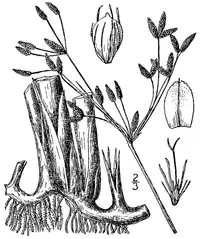
Hardstem bulrush, Schoenoplectus acutus, is a tall wetland sedge-like plant commonly found along lakeshores, ponds, marshes, and slow-moving streams. It forms dense vertical clumps of upright, cylindrical green stems with few or no visible leaves. Small brownish flower clusters appear near the stem tips in the growing season. This species plays an important role in stabilizing shorelines and providing habitat for wildlife. It tolerates standing water, fluctuating water levels, and nutrient-rich conditions, which makes it relatively easy to establish in suitable sites. Gardeners who want to care for hardstem bulrush should provide constant moisture, full sun, and mucky or shallow-water conditions similar to its natural habitat.

Care Difficulty
Easy Care

Light Preference
Full Sun

Water Requirements
Aquatic

Temperature Preference
Cold Hardy

Hardiness Zone
3–9

Soil Texture
Loamy, Silty, Organic-rich

Soil pH
Slightly acidic (6.5–7.0), Neutral (7.0)

Soil Drainage
Waterlogged tolerant

Fertilization
Minimal (feed rarely)
Scan your plant to receive care tips personalized for your specific plant
Available on iOS and Android
This emergent wetland species thrives in strong light but adapts to some shade in many climates.
This species is adapted to saturated soils and shallow standing water rather than fluctuating dry conditions.
This wetland plant is cold-hardy yet grows most actively under moderate, warm temperatures.
This emergent wetland species prefers very high humidity near 70–90% and constant moisture saturation.
This plant grows best in permanently wet, oxygen-poor substrates rather than conventional garden soil.
This tall, rhizomatous wetland species can grow in containers if the setup maintains continuous standing water and stability.
This native wetland species needs minimal feeding when grown in nutrient-rich, muddy or aquatic soils.
Pruning mainly keeps Schoenoplectus acutus tidy and prevents self-seeding in managed ponds or rain gardens.
This rush-like species is usually grown in-ground or in ponds, so transplanting clumps is more relevant than classic repotting.
Division is the most practical way to increase Schoenoplectus acutus in gardens and restoration plantings.
This cold-hardy wetland plant usually needs little winter attention in most temperate climates.

Plant Health Check
Not sure what's wrong with your plant? Check your plant's health inside the app.
This species naturally roots in shallow to moderately deep freshwater, often forming dense stands from the shoreline down to about 2–3 m where light can still reach its submerged stems and rhizomes.
Its thick, creeping rhizomes knit together soft lake and river sediments, helping stabilize shorelines and reduce wave erosion in wetlands and along reservoirs.
Extensive hardstem bulrush marshes in North America provide critical nesting and cover habitat for sensitive marsh birds such as the Yuma ridgway’s rail and other secretive rallid species.

Large, nearly monospecific stands of this plant can significantly influence wetland chemistry by trapping suspended sediments and organic matter, which promotes peat accumulation and long-term carbon storage in freshwater marshes.
This species spreads strongly by rhizomes and seed in shallow water and saturated soils. In small ponds or rain gardens, use containers or root barriers and remove unwanted shoots regularly to prevent it from overtaking other vegetation.
Keep your plants happy and healthy with plant identification, disease detection, and easy care guidance.