Slender Seagrass Care (Cymodocea nodosa)

Also known as: little Neptune grass
Slender Seagrass

About Slender Seagrass

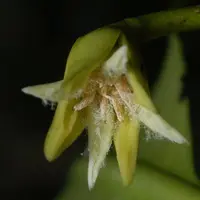
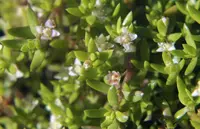
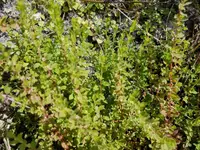
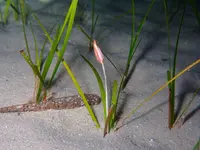
Slender seagrass (Cymodocea nodosa) is a submerged marine flowering plant that forms low, ribbon-like meadows on sandy or muddy sea floors. It creates dense underwater carpets with narrow, flexible leaves emerging from creeping rhizomes.

This species occurs mainly in shallow coastal waters of the Mediterranean Sea and nearby Atlantic coasts, where it stabilizes sediment and offers habitat for marine life. In aquaria or specialized marine systems, it generally suits experienced growers, as it needs stable saline water, strong light, and clean, well-oxygenated conditions.

Those who want to care for Slender Seagrass should focus on maintaining consistent water quality and gentle water movement, since it reacts poorly to sudden environmental changes or heavy disturbance.

Main Plant Requirements

Care Difficulty

Hard Care

Light Preference

Full Sun

Water Requirements

Aquatic

Temperature Preference

Warm Climate

Hardiness Zone

10–11

Soil Texture

Sandy, Silty, Organic-rich

Soil pH

Neutral (7.0), Slightly alkaline (7.0–7.5)

Soil Drainage

Waterlogged tolerant

Fertilization

Minimal (feed rarely)

Get Personalized Care Plan

Scan your plant to receive care tips personalized for your specific plant

Available on iOS and Android

How to Care for the Slender Seagrass

This marine seagrass requires strong, consistent light in shallow, clear water to photosynthesize efficiently.

  • Aim for full sun exposure with at least 6–8 hours of unobstructed light in water shallower than 5–6 m, where light penetration remains high.
  • Cymodocea nodosa tolerates slight turbidity or partial shade for short periods, but long-term low light leads to thinner leaves and reduced shoot density.
  • In summer, high sun plus very clear water can stress leaves in unusually shallow zones, so moderate depth or slight turbidity helps prevent photodamage to Slender Seagrass meadows.

This species is fully aquatic and depends on stable, clean seawater rather than intermittent watering.

  • Ensure continuous submersion in well-circulated, oxygenated seawater with salinity close to natural coastal levels; exposed or drying sediment quickly damages rhizomes.
  • In managed systems, monitor for signs of stress such as leaf yellowing or tip necrosis, which can indicate poor water quality, low oxygen, or abrupt salinity shifts rather than simple underwatering.
  • Cymodocea nodosa prefers gently moving water over stagnant conditions; excess organic buildup or anaerobic (oxygen-poor) sediment around roots increases risk of rot and decline.

This seagrass prefers mild, stable seawater temperatures typical of warm-temperate to subtropical coasts.

  • Target an optimal range of 64–77°F (18–25°C) for strong growth; extended periods outside this band slow photosynthesis and shoot production.
  • Short exposures down to about 50–54°F (10–12°C) may be tolerated, but near-freezing water and any frost on exposed sediment damage leaves and can kill young shoots.
  • In summer, water above 82–86°F (28–30°C) increases heat stress and respiration; combine higher temperatures with good water movement and stable salinity to limit tissue decline.

This marine seagrass requires fully submerged conditions rather than air humidity control.

This species anchors in submerged marine sediments rather than conventional terrestrial soil.

  • Use loose, fine to medium marine sand with some silt, forming a soft, easily penetrated substrate 5–10 cm deep.
  • Ensure slow, even water movement so the sediment stays stable but does not become anaerobic, which restricts root respiration.
  • Maintain slightly alkaline conditions, typically pH 7.8–8.3, matching natural coastal seawater chemistry.
  • Avoid compacted gravel, mud that turns black and sulfur-smelling, or any substrate that traps gas pockets under the rhizomes of Cymodocea nodosa.

This marine plant is generally unsuitable for conventional containers, but advanced aquarists can use specialized marine tanks.

  • Choose a wide, shallow marine tank or tray so rhizomes can spread horizontally without crowding or steep slopes that cause slumping.
  • Secure the sand bed with perimeter baffles or rock edging to prevent shifting when currents or maintenance disturb the substrate.
  • Design water flow so pumps do not blow directly on the substrate surface, which can expose roots and destabilize the planting zone.

This marine seagrass gains most nutrients from surrounding seawater and sediment, so added fertilizer is rarely necessary outside controlled systems.

  • In marine aquaria or research tanks, use a balanced, marine-safe NPK fertilizer formulated for seagrasses or marine plants.
  • Dose lightly at 1⁄4–1⁄2 strength every 4–6 weeks during active growth, monitoring water quality and algae.
  • Reduce or stop dosing in cooler, low‑light months when growth slows to prevent nutrient buildup.
  • Focus on a nutrient-rich sandy substrate and stable water parameters instead of frequent liquid feeding when caring for Slender Seagrass.

Pruning needs for Cymodocea nodosa are minimal and mainly relate to health and water flow management in managed systems.

  • Trim only dead, decaying, or heavily fouled leaves, which can harbor algae and reduce water quality.
  • Remove mechanically damaged or shading leaves to maintain even light penetration through the seagrass bed.
  • Use sharp, clean aquascaping scissors and cut close to the leaf base without injuring the rhizome.
  • Limit pruning events to growing periods so the plant can replace lost foliage more efficiently.

This seagrass is usually transplanted rather than repotted, as it is established in sandy marine substrates or dedicated marine tanks.

  • Plan transplanting for stable, warmer periods when water temperature and light are consistent and growth is active.
  • Look for signs such as rhizomes crowding the planting zone, reduced shoot density, or declining vigor before disturbing plants.
  • Uproot gently, handling rhizomes and roots carefully, and keep them submerged in seawater to limit desiccation and shock.
  • Replant rhizomes shallowly in clean, well-anchored sand, then reduce disturbance and strong currents until new roots establish.

Propagation of Cymodocea nodosa is usually done by division of rhizomes in restoration or research settings rather than by seed at home.

  • Select healthy rhizome sections bearing several shoots and intact roots for division.
  • Carry out division during active growth in warm, stable water for better establishment.
  • Cut rhizomes with a sterile, sharp blade, minimizing handling time out of water.
  • Replant sections at the original depth in suitable marine sand, spacing them to allow lateral spread and monitoring for new shoot emergence.

In native marine habitats this seagrass usually overwinters without intervention, but plants in controlled systems need stable, cool-season conditions.

  • Maintain water temperatures within the species’ tolerated cool range and avoid sudden thermal drops.
  • Ensure indoor marine systems are protected from freezing air drafts around tanks and sumps.
  • Reduce lighting intensity and duration slightly if winter growth slows, preventing stress from excessive light.
  • Monitor for increased leaf loss in winter and promptly siphon debris to maintain water quality.

Care Tips

Stabilize Substrate Edge

Create a gentle slope or use low mesh barriers at the bed margins to reduce erosion and help rhizomes anchor firmly in place, especially in exposed or high-flow tanks or coastal restoration plots.

Rhizome Spacing Control

When planting new sections, space rhizome fragments 10–15 cm apart and orient the growing tips in the same direction as the dominant water flow to encourage even bed expansion and reduce self-shading.

Water Movement Management

Use adjustable pumps or baffles to produce steady, laminar water flow across the leaves rather than direct jets, which limits mechanical damage and improves gas exchange around the seagrass canopy.

Sediment Monitoring Routine

Check for fine silt accumulation around the leaf bases and gently fan or siphon excess deposits away, since heavy smothering reduces photosynthesis and can cause local shoot dieback when caring for Slender Seagrass.

Seasonal Biomass Thinning

In dense stands, periodically remove older, yellowing shoots and accumulated detached leaves from the canopy and substrate surface to maintain water circulation, light penetration, and lower disease pressure within the bed.

Common Pests and Diseases

Epiphyte overgrowth

Symptoms include leaf blades heavily coated by algae, bryozoans, or tube-building worms, which lowers light reaching the tissue and slows growth. This condition is common in nutrient-rich or low-water-movement areas.

Solution

Reduce nutrient loading if possible, and ensure stronger water movement so surfaces stay cleaner. In managed seagrass systems such as research tanks, gently wipe blades with gloved fingers or soft mesh and improve filtration to limit epiphyte settlement as part of Cymodocea nodosa care instructions.

Burrowing invertebrate damage

This problem arises when burrowing crabs, shrimps, or polychaete worms disturb the sediment around rhizomes, exposing roots and destabilizing the meadow. Symptoms include uprooted shoots and irregular bare patches in the bed.

Solution

Limit abundance of disruptive burrowers by reducing food sources, physical access, or shelter in managed lagoons or tanks. Stabilize sediment with gentle barriers or mesh, and replant dislodged shoots into firm, undisturbed substrate when possible.

Wasting disease

This disease causes dark, elongated lesions on leaf blades that can expand and lead to tissue loss and thinning of the meadow. It is typically associated with infection by marine protists or fungi under stress conditions such as poor water quality.

Solution

Improve overall water quality, including reduced organic pollution, stable salinity, and adequate water flow to reduce pathogen pressure. Remove and discard heavily affected shoots during low tide or maintenance periods to limit local spread, and avoid further physical stress to the bed.

Sediment sulfide toxicity

This physiological disorder develops when poorly oxygenated sediments accumulate sulfides that damage roots and rhizomes, leading to yellowing leaves, reduced shoot density, and local dieback. Symptoms include black, foul-smelling sediment around the root zone.

Solution

Increase oxygenation of the sediment by improving water circulation and avoiding excess organic matter loading. In controlled systems, use a more open, well-flushed substrate and periodically siphon detritus so rhizomes remain in oxygenated layers.

Herbivory by fish and sea urchins

These animals graze on young leaf blades and sometimes on rhizomes, creating ragged edges, shortened leaves, and patchy thinning in heavily used feeding areas. Persistent heavy grazing can slow recovery of disturbed meadows.

Solution

In managed sites, reduce grazer pressure by limiting artificial food concentration, adjusting stocking densities, or providing alternative forage. Temporary exclusion zones using cages or barriers can protect recovering patches until shoot density and rhizome networks are re-established.

Interesting Facts

Engineering sandy seabeds

This seagrass stabilizes loose, wave-exposed sands in the Mediterranean and eastern Atlantic by forming dense rhizome and root networks that trap and bind sediment, reducing coastal erosion and turbidity.

Nursery for juveniles

Its meadows provide essential nursery habitat for juvenile fishes, crustaceans, and cephalopods, increasing their survival by offering shelter, feeding grounds, and complex structure close to shore.

Flexible leaf strategy

The species shows notable leaf plasticity, with leaf length, width, and density changing in response to local light, hydrodynamics, and nutrient levels, which helps it persist from shallow, high-light zones to deeper, dimmer waters.

Botan icon

Did you know?

Fossil and paleoecological evidence indicates that this species has maintained a continuous presence in parts of the Mediterranean since at least the late Quaternary, showing long-term persistence through major climatic and sea-level changes while retaining its role as a key foundation species in coastal ecosystems.

FAQs about Slender Seagrass

Growth is moderate rather than rapid. In stable, shallow, well‑lit seawater, rhizomes can extend several cm per year, slowly forming patches. Disturbance, poor water quality, or low light will noticeably reduce extension and leaf replacement rates.

Grow Healthy Plants with Botan Care

Keep your plants happy and healthy with plant identification, disease detection, and easy care guidance.

Botan plant care app — identify plants on mobile

Explore More Plants