smallfruit primrose-willow Care (Ludwigia microcarpa)

smallfruit primrose-willow

About smallfruit primrose-willow

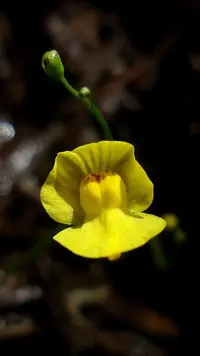
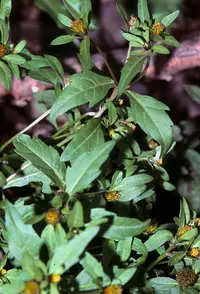
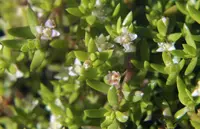
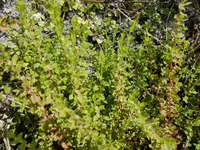
Smallfruit primrose-willow (Ludwigia microcarpa) is a semi-aquatic flowering plant often found along the edges of ponds, ditches, and slow-moving streams. It typically forms low, branching clumps with slender stems and small yellow flowers.

This species is native to tropical and subtropical regions of the Americas, where it thrives in consistently moist to wet conditions. Its preference for high moisture and, in many cases, shallow standing water means it is best suited to outdoor water gardens or naturalized wet areas.

Gardeners who care for smallfruit primrose-willow should note that it can spread readily in suitable conditions, so some containment or monitoring is usually needed.

Main Plant Requirements

Care Difficulty

Moderate Care

Light Preference

Full Sun

Water Requirements

Aquatic

Temperature Preference

Tropical / Frost Sensitive

Hardiness Zone

10–11

Soil Texture

Sandy, Loamy, Organic-rich

Soil pH

Acidic (5.5–6.5), Slightly acidic (6.5–7.0)

Soil Drainage

Waterlogged tolerant

Fertilization

Light (every 4–6 weeks)

Get Personalized Care Plan

Scan your plant to receive care tips personalized for your specific plant

Available on iOS and Android

How to Care for the smallfruit primrose-willow

This wetland species needs abundant light to stay compact and colorful.

  • Provide 6–8 hours of direct sun daily; full sun is ideal in open ponds, ditches, or boggy margins.
  • Tolerates light partial shade, especially with morning sun and light afternoon shade in very hot climates, but stems may elongate and foliage green more.
  • In summer, monitor for leaf scorch in shallow water under intense afternoon sun; in shorter winter days, growth slows but plants still benefit from maximum safe sun exposure.

Ludwigia microcarpa thrives in consistently wet to shallowly submerged conditions.

  • Maintain soil or substrate saturated at all times; in naturalistic plantings, allow water to cover the crown by 0.5–5 cm depending on site conditions.
  • If grown at pond edges, do not let the top 2–3 cm of soil dry out; wilting tips and dull, folding leaves indicate underwatering.
  • Yellowing, soft stems or foul-smelling, blackened roots indicate stagnation and oxygen-poor conditions; improve water movement or substrate texture to reduce rot risk.

This species prefers warm conditions typical of mild to subtropical climates.

  • Best growth occurs around 70–86°F (21–30°C), with steady warmth promoting dense foliage and faster spreading.
  • Tolerates short dips to about 50°F (10°C) but growth slows; repeated exposure near this minimum can cause leaf drop and weaker stems.
  • Frost is usually fatal; protect from temperatures below 40°F (4°C) and from extreme heat above 95°F (35°C) by ensuring deeper water, good hydration, and some midafternoon shade where possible.

This aquatic species prefers high humidity close to saturation around its foliage and water surface.

  • Aim for 70–90% humidity above the water or substrate to prevent leaf desiccation.
  • It tolerates brief dips to 50–60% but prolonged dry air causes curled, dull, or browning leaf edges on smallfruit primrose-willow.
  • Raise humidity with open-topped water trays, dense planting, or placing containers inside larger water-filled tubs.

Ludwigia microcarpa grows best in saturated, fine-textured substrate that stays wet rather than traditionally drained potting soil.

  • Use a heavy loam or clay-loam base with added organic matter such as composted leaf mold to hold moisture.
  • Keep the substrate permanently waterlogged or shallowly submerged; do not allow it to dry or drain freely like typical houseplant mixes.
  • Maintain slightly acidic to neutral reaction, around pH 6.0–7.2, which supports nutrient availability and stable growth.
  • For container culture, layer coarse sand over the soil to reduce clouding while still allowing roots to penetrate and anchor securely.

This species is suitable for container growing when the container can hold constant shallow water.

  • Choose a wide, low tub or bowl to support spreading stems and prevent tipping as emergent growth develops.
  • Select sturdy plastic or glazed ceramic containers that retain water and do not leach lime, which could raise pH.
  • Place containers inside a larger, lined tray or pond feature so overflow water is captured and root zones remain consistently flooded.

Ludwigia microcarpa benefits from light, steady nutrition but grows well in reasonably fertile substrates.

  • Use a balanced liquid NPK fertilizer at half strength every 4–6 weeks during the main growing season.
  • In nutrient-poor soils, supplement with a thin layer of well-rotted compost instead of heavy chemical feeding.
  • Pause or reduce feeding to 1 light application for the whole period during winter or dormancy.
  • Avoid high-strength products that can burn fine roots; dilute more if leaf tips pale or growth stalls.

Pruning Ludwigia microcarpa helps maintain a compact, vigorous stand and prevents excessive spreading.

  • Carry out light shaping in late spring or early summer when growth is active.
  • Remove dead, damaged, or weak stems at the base to direct energy into healthy shoots.
  • Thin crowded stems to improve light penetration and water flow around the plant.
  • Use clean, sharp scissors or pruners, making neat cuts just above leaf nodes to encourage branching.

This species is more often transplanted in wet ground or pond margins than kept as a long-term container plant.

  • Transplant when clumps outgrow their space, growth slows, or roots form dense mats in the planting area or container.
  • Choose late spring to early summer, once water and soil temperatures are warm and stable.
  • Lift plants gently, keep roots moist, and replant at the same depth into soft, silty or loamy substrate.
  • Trim excessively long roots lightly, then water thoroughly to remove air pockets and reduce transplant shock.

Ludwigia microcarpa is commonly propagated to establish new patches in wetland or pond-edge plantings.

  • Use soft to semi-ripe stem cuttings in late spring or summer, 8–12 cm long.
  • Remove lower leaves and place cuttings in shallow water or saturated substrate with bright, indirect light.
  • Keep temperatures around 70–80°F and maintain constant moisture for reliable rooting.
  • Seed propagation is possible but slower; keep seed just covered, consistently moist, and warm.

In mild climates this species needs minimal winter care, but colder regions require some preparation for smallfruit primrose-willow.

  • In frost-free or very light frost areas, no special protection is usually necessary.
  • Where temperatures drop below freezing, add a 5–8 cm mulch layer over the root zone of shoreline plantings.
  • For container specimens, move pots into a cool, frost-free area with good light before hard frosts.
  • In shallow ponds, ensure roots remain below the ice line or overwinter a portion indoors as backup stock.

Care Tips

Marginal water setup

In outdoor ponds or tubs, place containers so the crown sits just at or slightly below the water surface, then gradually raise the water level over 7–10 days to let roots adapt without rot or shock.

Stem renewal rotation

Every 2–3 months, cut and replant a few of the healthiest stem tips while removing the oldest, woody stems so the stand stays dense, upright, and less prone to lodging or dieback.

Nutrient zoning method

In lined ponds or large tubs, confine plants to wide pots or baskets filled with rich substrate and sink them in shallow water; this keeps growth vigorous but localized and makes thinning and relocation much easier.

Seasonal thinning control

In frost-free climates, schedule a firm thinning at the end of the main growing season to remove weak, shaded stems and avoid overly dense mats that encourage algae, snails, and fungal problems when caring for smallfruit primrose-willow.

Cutting transport care

When moving or sharing cuttings, keep stems submerged in clean water and shaded, then plant them within 24 hours to minimize wilting and ensure rapid rooting and establishment.

Common Pests and Diseases

Leaf-mining midges

This pest creates winding, translucent tunnels inside submerged leaves, often causing distorted growth and reduced photosynthesis. Symptoms include pale, blistered patches that eventually turn brown and break down.

Solution

Remove and discard heavily mined leaves, then siphon out plant debris during water changes. Improve plant vigor with stable water parameters and moderate fertilization, and introduce or encourage small fish or aquatic invertebrates that feed on larvae while avoiding overuse of broad-spectrum treatments that could damage beneficial fauna.

Spider mites

These insects may colonize emergent or marginal stems in humid but not fully submerged conditions, causing stippled, pale foliage and fine webbing near shoot tips. Symptoms include slowed growth and premature leaf drop on aerial portions of the plant.

Solution

Rinse affected emergent stems under a gentle stream of water and prune badly damaged growth. Raise ambient humidity around emergent portions, increase air movement, and use insecticidal soap or horticultural oil on non-submerged tissue only, keeping treatments away from the aquarium water.

Aquatic aphids

These insects cluster on young emergent shoots and leaf undersides, sucking sap and causing curling, yellowing, and sticky honeydew deposits. This pest can weaken fast-growing stems and encourage sooty mold on surfaces above the waterline.

Solution

Manually rinse or submerge infested emergent stems to dislodge aphids, and remove highly affected shoots. Encourage natural predators such as small fish that feed at the surface, and if needed, spot-treat emergent growth with a dilute insecticidal soap, taking care to keep chemicals out of the main water column to protect Ludwigia microcarpa plant care balance in the tank.

Algal overgrowth

This disease-like condition appears as green, brown, or filamentous coatings on leaves and stems, shading the plant and slowing growth. Symptoms include reduced leaf size, poor coloration, and eventual tissue decline in heavily affected areas.

Solution

Increase plant competition by ensuring adequate CO2 and balanced nutrients, and adjust lighting to 8–10 h/day with moderate intensity. Manually remove algae from leaves, prune heavily coated stems, maintain regular water changes, and limit excess fish feeding to reduce nutrient spikes.

Bacterial leaf blight

This disease causes water-soaked, translucent patches on submerged leaves that quickly turn brown and disintegrate, especially in warm, stagnant water. Symptoms include rapid loss of older leaves and cloudy water from decomposing tissue.

Solution

Promptly trim and remove all affected leaves and decaying fragments, then increase filtration and water circulation. Keep water temperature in a moderate range, avoid overcrowding of stems, and perform frequent partial water changes to reduce bacterial load and improve overall plant resilience.

Interesting Facts

Specialized wetland habitat

Ludwigia microcarpa is naturally restricted to wet, often seasonally flooded habitats such as the margins of streams, ponds, and marshy depressions in parts of South America, reflecting a strong adaptation to saturated soils and fluctuating water levels.

Distinct small fruit

The species name microcarpa refers to its relatively small, narrow seed capsules compared with several other Ludwigia species, which helps distinguish it in the field when fruits are present.

Amphibious growth form

This plant is capable of growing both as an emergent plant with aerial shoots and, in shallow water, with partially submerged stems and leaves, a growth flexibility that allows it to persist through changing water depths.

FAQs about smallfruit primrose-willow

This species can spread quickly in wet, open areas through self-seeding and creeping stems. In suitable climates it may form dense patches, so regular trimming and removal of unwanted seedlings helps keep it contained.

Grow Healthy Plants with Botan Care

Keep your plants happy and healthy with plant identification, disease detection, and easy care guidance.

Botan plant care app — identify plants on mobile

Explore More Plants