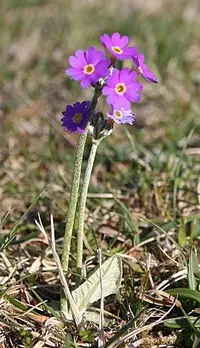
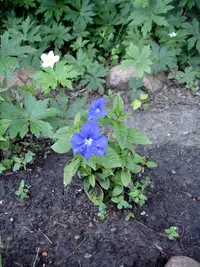
red catchfly Care (Silene dioica)

Also known as: red campion
red catchfly

About red catchfly

Red catchfly, Silene dioica, is a short-lived perennial wildflower known for its bright reddish-pink, five-petaled blooms and upright, clump-forming habit. It often has softly hairy stems and leaves, giving the plant a slightly fuzzy look.

In nature it grows in meadows, hedgerows, and open woodland edges across much of Europe and parts of western Asia, and is sometimes naturalized in North America. It tends to be easy to grow in temperate gardens because it tolerates cool conditions, average soils, and light shade.

Gardeners who want to care for red catchfly should know it prefers consistently moist, well-drained soil and a position with partial sun rather than harsh, drying exposure.

Main Plant Requirements

Care Difficulty

Easy Care

Light Preference

Partial Shade

Water Requirements

Moderate Water

Temperature Preference

Cold Hardy

Hardiness Zone

3–8

Soil Texture

Loamy, Silty, Organic-rich

Soil pH

Acidic (5.5–6.5), Slightly acidic (6.5–7.0)

Soil Drainage

Moist but well-drained

Fertilization

Minimal (feed rarely)

Get Personalized Care Plan

Scan your plant to receive care tips personalized for your specific plant

Available on iOS and Android

How to Care for the red catchfly

Silene dioica prefers bright outdoor conditions that balance sun exposure with some protection from intense heat.

  • Provide 4–6 hours of direct morning sun with light or dappled shade in the afternoon, especially in warmer regions.
  • Tolerates partial shade, but flowering of red catchfly is best when the site is open and not heavily shaded by trees or buildings.
  • In hot summers, protect from strong midday sun to prevent leaf scorch; in cooler climates, full sun throughout the day is usually suitable.

Silene dioica prefers evenly moist but not waterlogged soil throughout the growing season.

  • Water when the top 3–5 cm of soil feels dry, aiming for consistently damp soil during active growth and flowering.
  • Reduce watering in late fall and winter, allowing the soil surface to dry a bit more between soakings while avoiding complete drought.
  • Watch for yellowing, limp foliage as a sign of overwatering or poor drainage, and for drooping, crispy leaves as a sign of underwatering.

This species is a cool- to mild-climate perennial with good tolerance to cold once established.

  • Optimal growth occurs around 55–70°F (13–21°C), with strong flowering in mild spring and early summer conditions.
  • Mature plants can survive winter lows near 0°F (-18°C) with mulching, but young plants benefit from protection from severe freezes.
  • Tolerates short heat spells up to about 85°F (29°C) if soil stays moist; prolonged heat and drought can reduce flowering and stress the plant.

This species handles a wide humidity range and rarely needs special humidity care outdoors or in containers.

This plant prefers light, moist, well-drained soil that never stays waterlogged.

  • Use a loamy or sandy loam mix with 30–40% compost to support steady growth and flowering.
  • Ensure sharp drainage by blending in coarse sand or fine grit, especially in heavy or compact native soil.
  • Keep soil consistently moist but not saturated; raised beds or mounded rows help excess water run off.
  • Silene dioica tolerates slightly acidic to neutral soil (pH 6.0–7.0) but struggles in poorly aerated, sticky clay.

This species can grow successfully in containers if the pot is prepared for steady moisture without waterlogging.

  • Choose a container at least 25–30 cm deep to allow its fibrous roots to anchor and resist wind rock.
  • Use a heavier material like ceramic or clay outdoors to stabilize the tall, upright flowering stems against tipping.
  • Place the pot where rainwater can drain freely away from the base so runoff does not repeatedly soak the lower drainage holes.

Silene dioica grows well in moderately fertile soil and only benefits from light feeding during the active season.

  • Use a balanced, slow-release granular fertilizer (around 10-10-10) or thin compost layer in early spring to support growing red catchfly.
  • Apply light feeding every 6–8 weeks through late summer if growth appears weak or flowering declines.
  • Dilute liquid fertilizer to 50% strength to avoid soft, overly lush growth and salt buildup in containers.
  • Stop feeding in fall and winter when the plant is dormant or growth has slowed significantly.

Silene dioica responds well to light, timely pruning that maintains shape and encourages repeat flowering.

  • Deadhead spent flower stems in late spring and summer to extend the blooming period and reduce self-seeding.
  • Cut back straggly or leggy growth by up to one-third after flowering to keep compact, bushy clumps.
  • Remove dead, damaged, or diseased stems at the base whenever noticed, using clean, sharp hand pruners.
  • In late fall or very early spring, trim old, dry foliage close to ground level to promote fresh new shoots.

Silene dioica is usually grown in the ground, so transplanting young plants is more common than repotting mature clumps.

  • Transplant in early spring or early fall, when temperatures are mild and soil moisture is steady.
  • Move plants if growth is weak, flowering declines, or clumps are overcrowded, aiming for every 3–5 years in garden beds.
  • Water plants well the day before moving, then lift with a wide root ball to keep roots intact and reduce stress.
  • Replant at the same depth in well-drained soil, firm gently, and water thoroughly for 1–2 weeks to help re-establishment.

Silene dioica is commonly propagated by seed and by lifting and dividing established clumps.

  • Sow fresh seeds in fall outdoors or in late winter under cover, keeping the mix evenly moist and cool for steady germination.
  • Provide bright light and good air flow for seedlings, then transplant to the garden after frost risk has passed.
  • Divide healthy clumps in early spring or early fall, splitting with a sharp spade into sections with several shoots and roots.
  • Replant divisions promptly, water well, and shade lightly for a few days to limit transpiration and improve survival.

Silene dioica is cold hardy in much of the US and generally needs minimal winter care in the ground.

  • Tolerates frost and typical winter freezes once established, with top growth often dying back naturally.
  • Apply a 5–8 cm mulch layer after the first hard frost to insulate the root zone and reduce heaving.
  • Cut back collapsed stems in late winter before new growth emerges, rather than in early winter, to retain some crown protection.
  • Move small container plants to a sheltered, unheated area with good drainage to prevent root waterlogging and pot cracking.

Care Tips

Deadhead Regularly

Remove faded flower clusters down to a healthy leaf joint every 3–5 days in peak season to extend blooming and reduce unwanted self-seeding when growing red catchfly.


Staggered Renewal Cutting

Every 2–3 years, cut back about one-third of the oldest, woodiest stems to ground level in late autumn to keep clumps vigorous without losing all flowers the following spring.

Mulch For Crown Protection

Apply a 3–5 cm layer of fine bark or compost around but not on top of the plant crown to stabilize soil moisture, reduce weed competition, and protect shallow roots from temperature swings.

Support In Windy Sites

In exposed gardens, place low, discreet hoop supports or short twigs around clumps in early spring so stems can grow through them and stay upright without snapping in strong wind or heavy rain.

Monitor For Rust

Inspect foliage every 1–2 weeks in moist weather for orange pustules of rust disease and promptly remove and discard affected leaves to slow spread and keep new growth healthy.

Common Pests and Diseases

Rust fungus

This disease causes orange to brown powdery pustules on leaves and stems, often leading to early leaf drop in damp conditions.

Solution

Remove and destroy affected leaves, avoid overhead watering, and increase spacing or airflow around plants; in repeated cases, apply a sulfur or copper-based fungicide early in the season according to label directions as part of broader Silene dioica care.

Powdery mildew

This disease shows as white, talc-like patches on leaves and stems, which can cause distortion and reduced vigor in crowded or shaded plantings.

Solution

Improve air circulation, water at soil level, and remove heavily affected foliage; if needed, treat with a horticultural oil or potassium bicarbonate product applied in cool, dry conditions to limit further spread.

Aphids

These insects cluster on young shoots and flower stems, sucking sap and causing curling leaves, sticky honeydew, and reduced flowering.

Solution

Dislodge colonies with a strong stream of water, encourage natural predators such as lady beetles, and, if infestations persist, use insecticidal soap or a light horticultural oil, coating stems and leaf undersides thoroughly.

Red campion smut

This disease, caused by a smut fungus, replaces pollen in the flowers with dark spores, leading to deformed blooms and reduced seed production.

Solution

Promptly remove and destroy infected flower stalks to reduce spore spread, avoid moving contaminated seed, and replace severely affected plants from healthy, certified stock in areas where the problem recurs.

Leaf spot

Symptoms include small brown or purple spots on leaves that may merge into larger lesions, often appearing after wet, cool weather and weakening the plant over time.

Solution

Remove and discard spotted leaves, keep foliage as dry as possible by watering at the base, and improve spacing; in persistent cases, apply a broad-spectrum fungicide labeled for ornamental perennials at the first sign of spotting.

Interesting Facts

Sexes on separate plants

Red campion is dioecious, meaning male and female flowers grow on different individual plants, which promotes outcrossing and maintains high genetic diversity in wild populations.

Specialist moth pollinators

Its nectar-rich, evening-scented flowers are visited by several noctuid moths, such as Hadena bicruris, whose adults pollinate the flowers while the larvae feed inside the developing seed capsules.

Hybrid zones with relatives

It naturally hybridizes with its close relative Silene latifolia where their ranges overlap, and these hybrid zones are widely used in research on plant speciation, reproductive barriers, and evolutionary genetics.

Botan icon

Did you know?

Silene dioica is one of the classic model species for studying sex chromosomes in plants, because it has distinct X and Y chromosomes that determine male and female individuals, similar in principle to the sex chromosome systems of many animals.

FAQs about red catchfly

Lack of flowers usually comes from too much shade, excess nitrogen fertilizer, or plants that are still juvenile. Ensure several hours of direct sun, avoid high-nitrogen feeds, and deadhead spent blooms to encourage repeat flowering.

Grow Healthy Plants with Botan Care

Keep your plants happy and healthy with plant identification, disease detection, and easy care guidance.

Botan plant care app — identify plants on mobile

Explore More Plants