Early form training
In the first 2–3 years, lightly tip-prune and select 1–3 strong leaders to create a balanced framework, which reduces later breakage and keeps the plant manageable in gardens.

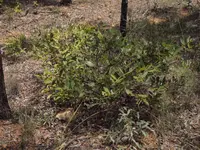
Flat-stemmed wattle (Acacia complanata) is an evergreen shrub or small tree from eastern Australia, known for its flattened, wing-like stems and fine, feathery foliage. It typically forms a dense, bushy shape and produces bright yellow, ball-shaped flower clusters that attract insects. In its natural habitat, it grows in open forests and woodland edges, often on well-drained, sandy or gravelly soils. This species is generally fast-growing and resilient, but it prefers full sun, low to moderate moisture, and soil that does not stay waterlogged. Gardeners who learn how to care for flat-stemmed wattle usually find it straightforward in mild, frost-free climates.

Care Difficulty
Moderate Care

Light Preference
Full Sun

Water Requirements
Low Water

Temperature Preference
Warm Climate

Hardiness Zone
9–11

Soil Texture
Sandy, Loamy

Soil pH
Acidic (5.5–6.5), Slightly acidic (6.5–7.0)

Soil Drainage
Well-drained

Fertilization
Minimal (feed rarely)
Scan your plant to receive care tips personalized for your specific plant
Available on iOS and Android
This Australian shrub thrives in bright, open conditions with plenty of direct sun.
This species prefers well-drained soil and steady but moderate moisture, especially while establishing.
This warm-temperate species grows best in mild, frost-free climates.
This species handles typical household humidity well and rarely needs special adjustment.
Acacia complanata prefers lean, well-drained, sandy soil that mimics its native habitat.
This species can be grown in containers for several years if its root space and drainage are carefully managed.
This Australian native shrub or small tree needs only light feeding in most garden soils.
Pruning Acacia complanata is mainly done to maintain shape, remove damage, and manage size.
This species is usually grown in the ground, so focus on careful transplanting from nursery containers.
Acacia complanata is most often propagated from seed rather than cuttings.
This warm-temperate to subtropical shrub has low frost tolerance and benefits from basic winter protection in cooler areas.

Plant Health Check
Not sure what's wrong with your plant? Check your plant's health inside the app.
Instead of true leaves, this species has flattened, wing-like phyllodes along the stems, giving it a narrow, ribboned appearance that helps reduce water loss in its native habitats.
Its seeds have nutrient-rich attachments called arils that attract ants, which then carry the seeds away from the parent plant and help disperse them into protected soil sites.
In its native eastern Australian habitats, this wattle often regenerates after bushfire, with heat and smoke helping to trigger seed germination from the soil seed bank.

Genetic studies place this species within a group of Australian wattles that evolved flattened phyllodes independently multiple times, making it an example of convergent evolution within the Acacia genus.
This species is highly attractive to native bees and other insects, which visit its golden puffball flowers for pollen and nectar. It can support local pollinator diversity when planted in suitable climate zones and low-chemical gardens.
Keep your plants happy and healthy with plant identification, disease detection, and easy care guidance.