Deep taproot protection
Install a 5–8 cm loose organic mulch layer around young plants, keeping it 5–8 cm away from the stem, to protect the sensitive taproot zone from temperature swings and soil compaction during the first 2–3 years.

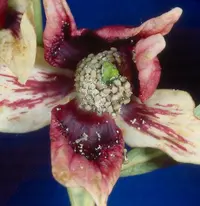
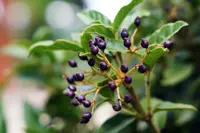
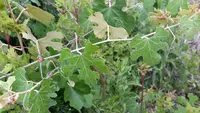
Netted pawpaw (Asimina reticulata) is a small, deciduous shrub or understory tree in the custard apple family, native to sandy habitats in the southeastern United States. It typically forms open, airy clumps with narrow leaves and distinctive netted fruits that give the species its common name.
This species is adapted to dry, well-drained, often nutrient-poor soils and seasonal heat, which makes it relatively drought-tolerant once established. It grows slowly and can be somewhat particular about transplanting, so it suits patient gardeners who want to learn how to care for netted pawpaw.
In cultivation it prefers full sun to light shade, good drainage, and low to moderate, consistent moisture rather than constantly wet conditions.

Care Difficulty
Moderate Care

Light Preference
Full Sun

Water Requirements
Moderate Water

Temperature Preference
Warm Climate

Hardiness Zone
8–10

Soil Texture
Sandy, Loamy, Organic-rich

Soil pH
Acidic (5.5–6.5), Slightly acidic (6.5–7.0)

Soil Drainage
Moist but well-drained

Fertilization
Minimal (feed rarely)
Scan your plant to receive care tips personalized for your specific plant
Available on iOS and Android
This species thrives in bright, open conditions with protection from the harshest midday sun.
This species prefers evenly moist, well-drained sandy or loamy soil, especially while establishing.
This warm-temperate to subtropical shrub is adapted to hot summers and mild winters with only brief light frosts.
Humidity is a minor factor for Asimina reticulata, which adapts well to typical outdoor air in its range.
Asimina reticulata prefers loose, slightly acidic, well-drained sandy or loamy soil.
This species can be grown in containers for young plants or small specimens, but long-term performance is better in the ground.
This species is a low-input native tree that benefits from light, occasional feeding in poor soils but often manages without fertilizer in fertile ground.
Asimina reticulata needs only light, corrective pruning to maintain a healthy framework and safe structure.
This species develops a deep taproot and is best transplanted young from containers into its final ground position.
Propagation of this species is typically done from seed and is considered slow and somewhat specialized for home growers.
This North American native is moderately cold hardy in its suitable zones and usually needs minimal winter care in the ground.

Plant Health Check
Not sure what's wrong with your plant? Check your plant's health inside the app.
This species is native to central and northern Florida and is strongly associated with dry, well-drained sandhill and scrub habitats dominated by pines and oaks on deep, nutrient-poor sands.
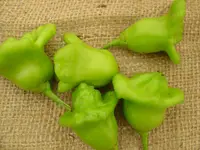
The common name netted pawpaw comes from the prominent reticulate, or net-like, pattern on the outer surface of its small, fleshy fruits, a feature that helps distinguish it from related Asimina species.
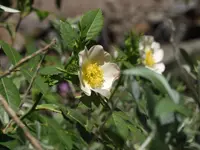
It produces cream to yellowish flowers in early spring, often before many surrounding shrubs leaf out, providing an early-season resource for specialized beetle pollinators in its native ecosystems.

The larvae of the zebra swallowtail butterfly (Eurytides marcellus) feed on netted pawpaw foliage and sequester toxic annonaceous acetogenins from the leaves, gaining chemical protection from predators while depending on this shrub and a few related Asimina species as essential host plants.
Growth is generally slow to moderate. Young plants often focus on root development for several years, showing limited top growth. Once established, they may add 15–30 cm of height per year under suitable soil and moisture conditions.
Keep your plants happy and healthy with plant identification, disease detection, and easy care guidance.