Saskatoon serviceberry Care (Amelanchier alnifolia)

Also known as: Saskatoon, Serviceberry, Juneberry, western serviceberry
Saskatoon serviceberry

About Saskatoon serviceberry

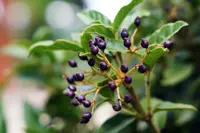
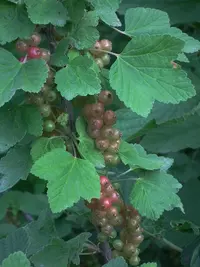
Saskatoon serviceberry, Amelanchier alnifolia, is a hardy, multi-stemmed shrub or small tree valued for its spring flowers, summer berries, and good cold tolerance. It forms a rounded shape with fine branches, simple oval leaves, and white blossoms that develop into blue-purple, edible fruits.

This species is native to North America, especially the northern and western regions, where it grows in prairies, open woodlands, and rocky slopes. It adapts to many garden conditions, which makes it relatively straightforward to care for Saskatoon serviceberry.

The plant prefers full sun to light shade, well-drained soil, and consistent but not excessive moisture. Once established, it is fairly drought tolerant and generally resilient, which suits beginner and intermediate gardeners.


Main Plant Requirements

Care Difficulty

Easy Care

Light Preference

Full Sun

Water Requirements

Moderate Water

Temperature Preference

Cold Hardy

Hardiness Zone

2–7

Soil Texture

Sandy, Loamy, Clay

Soil pH

Acidic (5.5–6.5), Slightly acidic (6.5–7.0)

Soil Drainage

Moist but well-drained

Fertilization

Minimal (feed rarely)

Get Personalized Care Plan

Scan your plant to receive care tips personalized for your specific plant

Available on iOS and Android

How to Care for the Saskatoon serviceberry

Amelanchier alnifolia thrives in bright outdoor conditions with a balance of sun and light shade.

  • Provide 6–8 hours of direct sun daily, ideally with morning sun and light afternoon shade in hotter regions to reduce leaf scorch risk.
  • Tolerates partial shade, but fruiting and flowering decrease if it receives less than about 4–5 hours of direct light per day.
  • In summer, young plants benefit from some filtered light during the hottest mid-day hours, while in winter bare branches tolerate full, unshaded exposure.

Amelanchier alnifolia prefers evenly moist, well-drained soil rather than constant wetness.

  • Water when the top 3–5 cm of soil feels dry, aiming for deep soaking that reaches the root zone rather than frequent shallow watering.
  • During the first 1–2 growing seasons, monitor closely in dry spells; mature shrubs usually cope with natural rainfall except in prolonged drought.
  • Watch for yellowing, soft leaves and persistent soggy soil as overwatering signs, and for wilting, crisp leaf edges, and shrinking berries as underwatering indicators.

This cold-hardy shrub is adapted to outdoor climates with cold winters and moderate summers.

  • Active growth is strongest around 60–75°F (16–24°C), with good performance in typical spring and early summer conditions.
  • Dormant plants tolerate winter lows near -40°F (-40°C), making Saskatoon serviceberry suitable for very cold regions when roots are well established.
  • Summer heat up to about 90°F (32°C) is usually tolerated if soil moisture is maintained; prolonged hotter periods increase stress and may reduce fruit quality.

Humidity is rarely a limiting factor for Amelanchier alnifolia, which thrives in typical outdoor air conditions.

Amelanchier alnifolia prefers moderately moist, well-drained mineral soils that do not stay waterlogged.

  • Use a loamy or sandy-loam soil with stable structure so water drains within a few hours after irrigation or rain.
  • Aim for a slightly acidic to neutral pH, around 6.0–7.0, which supports nutrient availability and root function.
  • Incorporate 20–30% compost into native soil to improve moisture retention while maintaining pore space for air movement.
  • Avoid heavy, compacted clay or sites where water regularly pools, and consider adding coarse sand or fine gravel to increase drainage.

This species can be grown in large outdoor containers if the pot provides adequate root volume and drainage.

  • Choose a deep, heavy container (at least 45–60 cm tall) to accommodate the shrub’s woody root system and reduce tipping in wind.
  • Use a coarse, bark-based potting mix rather than garden soil to prevent compaction and maintain fast drainage around the root zone.
  • Position the container slightly elevated on pot feet or bricks so drainage holes stay clear and excess water exits quickly after rain or watering.

This shrub usually needs modest feeding, especially in reasonably fertile garden soil.

  • Apply a thin layer of well-rotted compost around the root zone in early spring to support flowering and fruiting in Saskatoon serviceberry.
  • Use a balanced slow-release fertilizer (around 10-10-10) at half label rate once in early spring if growth or leaf color seems weak.
  • Avoid summer and fall feeding to prevent soft late growth; do not fertilize during winter dormancy.
  • Water thoroughly after applying any fertilizer to reduce root burn risk and help nutrients move into the soil.

Pruning helps maintain a healthy structure and good light penetration for Amelanchier alnifolia.

  • Carry out main pruning in late winter to very early spring before bud break.
  • Remove dead, damaged, or crossing branches first, then thin crowded interior shoots to improve airflow.
  • Retain an open, vase-like framework to support flowering wood and easier fruit harvest.
  • Use clean, sharp bypass pruners or loppers, making cuts just above a bud or branch junction.

This species is most often planted in the ground and moved only when necessary.

  • Transplant young shrubs in early spring or fall when soil is moist and temperatures are mild.
  • Look for signs such as roots circling a container, poor vigor, or drying out very fast before moving container-grown plants.
  • Replant at the same soil depth in a wide hole, loosening outer roots gently to limit transplant shock.
  • Water deeply after transplanting, then keep soil evenly moist and apply 5–8 cm of mulch, keeping it away from the stem base.

Amelanchier alnifolia is commonly propagated by seed and softwood cuttings.

  • Collect ripe berries in summer, clean the seeds, and cold stratify them for 3–4 months at about 35–40°F before sowing.
  • Take softwood cuttings in late spring to early summer, using 10–15 cm non-flowering shoots with 2–3 nodes.
  • Dip cuttings in rooting hormone, place in a free-draining mix, and keep humidity high with bright, indirect light.
  • For layering, bend a low branch to the ground in spring, wound slightly, peg under soil, and sever once roots form.

This shrub is cold hardy in most temperate climates and usually needs minimal winter care.

  • Tolerates substantial frost once established, though young plants benefit from some root-zone protection.
  • Apply 5–8 cm of mulch over the root area in late fall, avoiding direct contact with the stem.
  • Container plants in cold regions should be moved into an unheated garage or sheltered spot to prevent root freezing.

Care Tips

Encourage Multi-Stems

After planting, remove only damaged or crossing shoots and allow several strong basal stems to develop, then thin out the weakest stems at ground level in late winter to maintain a stable 6–10 stem framework for long-term fruiting.

Wind-Smart Positioning

Site plants where they receive wind protection from a fence or hedge on the prevailing-wind side, which reduces branch breakage and flower loss during spring storms while still allowing good air movement around the canopy.

Bird Management Netting

Install fine, wildlife-safe bird netting over a simple frame just as fruits begin to blush, keeping the net elevated off the clusters so ripening berries are protected without damaging branches or trapping wildlife.

Fruit Thinning For Size

In years with very heavy bloom, gently thin dense fruit clusters by removing some immature berries shortly after fruit set, which improves individual fruit size and reduces stress on young branches.

Disease-Safe Sanitation

During late fall and late winter, collect and remove fallen leaves, mummified fruits, and pruned twigs from around the shrub to reduce overwintering fungal spores and insect pests, which is one of the most effective long-term practices for caring for Saskatoon serviceberry.

Common Pests and Diseases

Pear leaf blister mite

This pest forms small raised blisters on leaves that start light green or yellow and often turn reddish or brown as the season advances.

Solution

Prune and dispose of heavily infested leaves and twigs during dormancy, then encourage strong growth with proper watering and fertilization; in severe, recurring cases, apply a dormant horticultural oil spray in late winter before bud break to reduce overwintering mites.

Pear slug sawfly

These insects skeletonize leaves, leaving only the veins and a thin leaf surface, and larvae appear as small, dark, slug-like forms on the upper leaf surfaces.

Solution

Rinse foliage with a strong stream of water to dislodge larvae, crush or hand-pick remaining larvae, and if populations are high, apply insecticidal soap or spinosad to the foliage according to label directions while protecting beneficial insects.

Rust (Gymnosporangium)

This disease causes yellow to orange leaf spots that may develop dark centers, and in severe cases leads to premature leaf drop and reduced vigor.

Solution

Remove and dispose of infected leaves and nearby alternate hosts such as certain junipers when practical, improve air circulation by thinning crowded branches, and use a targeted fungicide labeled for rust on Amelanchier if infections are severe or recurrent.

Fire blight

This disease leads to blackened, wilted shoots and blossoms that look scorched, often with a characteristic shepherd’s-crook bend at the tip.

Solution

Prune out infected shoots 20–30 cm below visible symptoms during dry weather, disinfecting tools between each cut, avoid high-nitrogen fertilization that encourages soft, susceptible growth, and in areas with a history of fire blight, consider preventive blossom sprays with an appropriate bactericide following local extension guidance as part of Amelanchier alnifolia care instructions.

Entomosporium leaf spot

Symptoms include small purple to reddish leaf spots that may merge into larger blotches, sometimes causing premature defoliation, especially in wet weather.

Solution

Rake and discard fallen leaves to reduce inoculum, water at the base rather than overhead to keep foliage dry, increase spacing and pruning for airflow, and during persistent wet periods use a registered fungicide at bud break and repeated as directed when previous-season infections were heavy.

Interesting Facts

Boreal fruit specialist

This species is one of the few woody shrubs that reliably produces sweet, blueberry-like berries in cold, semi-arid climates, tolerating winter temperatures below 0°F and short growing seasons better than most fruit crops.

Early-season pollinator resource

It flowers very early in spring, often before many other shrubs leaf out, providing one of the first rich nectar and pollen sources for native bees and other early pollinators on the northern Great Plains and in western Canada.

High wildlife value berries

Its fruits are a key summer food for birds such as waxwings, grosbeaks, and thrushes, which in turn disperse the seeds and strongly influence the shrub’s natural spread in prairie and forest edge ecosystems.

Botan icon

Did you know?

Indigenous peoples across the Canadian Prairies and northern Plains have long used its dried berries as a staple ingredient in pemmican, a high-energy food that was crucial for long-distance travel and winter survival, which led early European traders to value and intentionally gather this species.

FAQs about Saskatoon serviceberry

Yes, the fruits are edible and often compared to blueberries with almond-like notes. They can be eaten fresh or used in jams, pies, and preserves. Flowers and leaves are not generally consumed and should be avoided.

Grow Healthy Plants with Botan Care

Keep your plants happy and healthy with plant identification, disease detection, and easy care guidance.

Botan plant care app — identify plants on mobile

Explore More Plants