Dichasianthus runcinatus Care

About Dichasianthus runcinatus

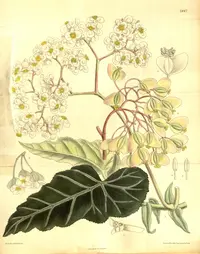
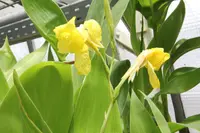
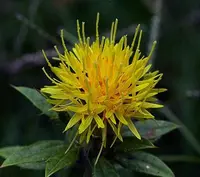
Dichasianthus runcinatus is a little-known flowering plant, likely a herbaceous species with a modest, clumping growth habit. It is mainly reported from localized habitats, probably in seasonally warm regions. The plant is of botanical interest rather than a common ornamental, so it is rarely seen in typical home collections.

Information on how to care for Dichasianthus runcinatus is limited, but similar species tend to prefer well-drained soil and moderate moisture. Its rarity in cultivation suggests that reliable cultivation data are still developing, and growers often experiment to refine the best conditions.

Main Plant Requirements

Care Difficulty

Moderate Care

Light Preference

Partial Shade

Water Requirements

Moderate Water

Temperature Preference

Warm Climate

Hardiness Zone

Unknown

Soil Texture

Loamy

Soil pH

Slightly acidic (6.5–7.0)

Soil Drainage

Well-drained

Fertilization

Minimal (feed rarely)

Get Personalized Care Plan

Scan your plant to receive care tips personalized for your specific plant

Available on iOS and Android

How to Care for the Dichasianthus runcinatus

This species prefers bright, stable light conditions similar to open woodland edges.

  • Provide 4–6 hours of gentle morning sun with bright, filtered light for the rest of the day to support compact growth and good flowering.
  • Tolerates light partial shade, but stems may elongate and flowering may decrease if total direct sun drops below about 2–3 hours daily.
  • Protect Dichasianthus runcinatus from harsh midday and late-afternoon summer sun, which can scorch leaves; increase light gradually in spring after darker winter conditions.

This plant prefers steadily moist but not saturated soil conditions.

  • Allow the top 2–4 cm of soil to dry before watering again; use this as the main guide rather than a fixed calendar schedule.
  • During active growth in spring and summer, water more often so the root zone does not stay dry for more than 1–2 days, provided drainage is sharp.
  • In cooler seasons, extend drying slightly and watch for yellowing, mushy stems as a sign of overwatering or limp, curling leaves as early underwatering.

This species performs best in mild, frost-free climates with moderate seasonal variation.

  • Aim for an optimal growing range of 65–80°F (18–27°C), where shoot and root growth are most consistent.
  • Protect from cold below about 40°F (4°C); brief dips to 35°F (2°C) may be tolerated but repeated exposure increases risk of tissue damage.
  • In hotter weather above 90°F (32°C), growth can slow; provide mulch and some afternoon shade to keep the root zone cooler and reduce stress.

This species prefers moderately humid air but usually adapts to typical indoor levels if not extremely dry.

  • Aim for 40–60% humidity to support steady growth and reduce leaf-edge browning.
  • Tolerates short periods of drier air, but prolonged levels below 30% may cause curled, crispy leaf tips and slowed growth.
  • Increase humidity locally with a pebble tray, grouped plants, or a small humidifier placed nearby rather than misting leaves directly.

Dichasianthus runcinatus grows best in a loose, well-aerated mix that drains quickly but does not dry out instantly.

  • Use a base of loamy potting mix amended with 20–30% perlite and 10–20% fine bark to keep structure open.
  • Aim for slightly acidic to neutral pH around 6.0–7.0, avoiding very alkaline substrates that can lock up nutrients.
  • Improve aeration by avoiding compaction; gently blend ingredients and avoid pressing the mix down firmly in the pot or bed.
  • Avoid heavy clay, poorly drained spots, or peat-only mixes that stay waterlogged and promote root rot.

This species is suitable for container growing when provided with stable, well-drained pots.

  • Choose a pot that is slightly deeper than wide to accommodate a moderately probing root system and prevent tipping in wind-exposed spots.
  • Select heavier materials like ceramic or thick-walled terracotta if the top growth becomes tall, to reduce the risk of containers falling over.
  • Elevate the container on small feet or pot risers so water can exit freely and the drainage holes do not seal against the ground.

Light, thoughtful feeding supports steady growth without forcing soft, weak tissue in Dichasianthus runcinatus.

  • Use a balanced liquid fertilizer (around 10-10-10 or 14-14-14) at 1/2 strength every 4–6 weeks during active spring–summer growth.
  • On poorer soils, supplement with a thin layer of well-rotted compost over the root zone once per year.
  • Skip feeding in late fall and winter to respect natural dormancy and avoid soft, frost-prone growth.
  • Always water before applying fertilizer and avoid granules resting directly against stems to prevent root and bark burn.

Pruning is modest but useful to maintain structure, remove damaged wood, and support plant health.

  • Carry out structural pruning in late winter or very early spring before new growth begins on Dichasianthus runcinatus.
  • Remove dead, diseased, crossing, or inward-growing branches first to improve airflow and reduce fungal problems.
  • Shorten or thin crowded shoots to refine shape, keeping cuts just above outward-facing buds with clean, sharp tools.
  • Disinfect pruning tools between plants and after cutting diseased wood to limit pathogen spread.

This species is usually grown in the ground, so focus on careful transplanting rather than frequent container repotting.

  • Plan transplanting for early spring or early fall when temperatures are mild and soil is workable, reducing stress on Dichasianthus runcinatus.
  • Look for signs such as circling roots in containers, slow growth, or soil drying very quickly as indicators a larger space is needed.
  • Move the plant with an intact root ball, replant at the same depth, and water thoroughly to settle soil around the roots.
  • After transplanting, maintain steady moisture, provide light shade if sun is intense, and avoid heavy pruning for 1 season while roots re-establish.

Propagation is possible but tends to be a slower, more specialized task for Dichasianthus runcinatus.

  • Use fresh seed sown in late winter–spring in a free-draining mix, keeping temperatures around 65–75°F for steady germination.
  • If semi-ripe cuttings are used, take them in late spring–summer, remove lower leaves, and place in a humid environment with bright, indirect light.
  • Apply a rooting hormone to cuttings and maintain lightly moist, not wet, media to limit rot during the rooting phase.

This plant is generally cold tolerant in suitable climates and needs only moderate winter attention outdoors.

  • In regions with freezing winters, apply a 5–8 cm mulch layer over the root zone, keeping it a few cm away from the main stem.
  • For young or newly transplanted plants, use breathable fabric or a shrub cover during severe frosts to reduce tissue damage.
  • Container-grown specimens in colder zones should be moved into a sheltered, frost-free but cool area until temperatures rise again.

Care Tips

Provide climbing support

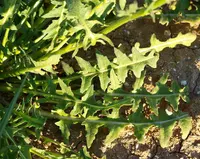
Install a sturdy mesh, trellis, or horizontal wires early so the stems can be gently tied and trained upward, preventing tangling and stem kinks as the plant matures.

Train young shoots

Guide new, flexible shoots along their support using soft ties or horticultural clips, checking every 2–3 weeks to redirect growth gaps and maintain an even, well-lit framework.

Rotate container position

If grown in a pot, rotate the container 90° every 2–3 weeks to keep growth balanced and reduce leaning or bare sides on the shaded portions of the plant.

Seasonal root inspection

Once a year at the start of active growth, slide the plant carefully from its pot to check for circling or congested roots, then either lightly root-prune or step up to a slightly larger container if roots are densely wrapped.

Prevent pest buildup

During the growing season, inspect leaf undersides and stem joints every 1–2 weeks and rinse foliage with a firm, lukewarm water spray to reduce early populations of mites, aphids, or scale when growing Dichasianthus runcinatus.

Common Pests and Diseases

Leaf spot

This disease causes small water-soaked lesions on leaves that expand into tan to dark-brown spots, often with a yellow halo and irregular edges. Symptoms include premature yellowing and drop of older foliage under warm, humid conditions.

Solution

Remove and discard heavily spotted leaves, avoid overhead watering, and keep foliage as dry as possible by watering at the base in the morning. Improve spacing and airflow around plants, then apply a copper-based or chlorothalonil fungicide labeled for ornamental vines if new spots continue to appear.

Powdery mildew

This disease appears as white to gray, powdery patches on upper leaf surfaces, young stems, and sometimes flower stalks, leading to distorted new growth. Symptoms include dull, pale foliage and reduced vigor during periods of warm days and cool, humid nights.

Solution

Increase air movement, avoid crowding, and reduce late-evening overhead watering to keep foliage dry. Remove the most affected shoots and apply a sulfur or potassium bicarbonate product labeled for powdery mildew on ornamentals, repeating at intervals recommended on the label until new growth emerges clean.

Aphids

These insects cluster on tender shoot tips and undersides of leaves, sucking sap and causing curling, distortion, and sticky honeydew that can attract sooty mold. This pest is most active on soft new growth during mild, moist weather.

Solution

Dislodge colonies by spraying plants with a firm stream of water, repeating every few days as needed, and pinch back heavily infested soft tips. If populations persist, use insecticidal soap or a light horticultural oil, coating the undersides of leaves and young stems while avoiding applications during high heat above about 85°F.

Spider mites

This pest feeds on the undersides of leaves, causing fine speckling, dull gray-green discoloration, and eventual bronzing, often accompanied by very fine webbing between leaf nodes. Symptoms include leaf drop during hot, dry weather when mites reproduce rapidly.

Solution

Increase humidity around plants, rinse foliage thoroughly with water (especially leaf undersides), and remove the most damaged leaves. For ongoing issues, apply insecticidal soap or horticultural oil directed under the leaves at 5–7 day intervals, alternating with plain water rinses, until new growth appears clean and mite activity declines.

Stem canker

This disease produces sunken, discolored lesions on stems, sometimes girdling shoots and causing sudden wilting or dieback of individual canes or branches. Symptoms include cracking bark and failure of affected stems to leaf out in spring or after stress.

Solution

Prune out affected stems at least 5–10 cm below visible damage, disinfecting tools between cuts with 70% alcohol or a 10% bleach solution, and destroy removed material. Reduce plant stress by providing stable moisture, good drainage, and balanced nutrition, and avoid wounding stems; in sites with repeated problems, improve spacing and airflow and avoid overhead irrigation to support healthier tissue and more reliable Dichasianthus runcinatus care.

Interesting Facts

Apocynaceae family member

This species belongs to the Apocynaceae (dogbane) family, a group known for milky sap and often complex floral structures adapted to specialist pollinators.

Southern African origin

It is native to southern Africa, where it typically grows in warm, relatively dry habitats, adapting to seasonal patterns of rainfall and high light.

FAQs about Dichasianthus runcinatus

Lack of flowering usually comes from insufficient light, excess nitrogen fertilizer, or pruning at the wrong time that removes flower buds. Age also matters; young plants may need several seasons to establish before producing consistent blooms.

Grow Healthy Plants with Botan Care

Keep your plants happy and healthy with plant identification, disease detection, and easy care guidance.

Botan plant care app — identify plants on mobile

Explore More Plants