Virginia tephrosia Care (Tephrosia virginiana)

Also known as: goat's rue, goat-Rue, catgut, rabbit pea, Virginia goat’s-rue
Virginia tephrosia

About Virginia tephrosia

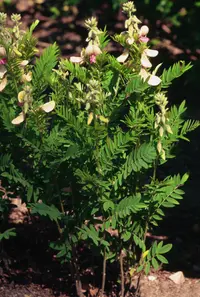
Virginia tephrosia (Tephrosia virginiana), also called goat’s rue or hoary pea, is a small perennial wildflower in the pea family. It forms low, bushy clumps with many upright stems.

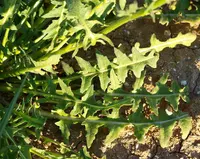
The plant has narrow, silky, gray-green leaves and showy bicolor flowers, usually creamy white with rose to orange-red markings. It typically grows in dry, open sites such as prairies, sandy banks, and open woodlands in eastern and central North America.

This species prefers sun, lean or sandy soils, and good drainage, and it resents disturbance or heavy, rich substrates. Once established, it is relatively drought-tolerant but can be slow and temperamental to establish, so learning how to care for Virginia tephrosia improves success.

Main Plant Requirements

Care Difficulty

Moderate Care

Light Preference

Full Sun

Water Requirements

Low Water

Temperature Preference

Cold Hardy

Hardiness Zone

4–9

Soil Texture

Sandy, Loamy, Rocky

Soil pH

Acidic (5.5–6.5), Slightly acidic (6.5–7.0)

Soil Drainage

Well-drained

Fertilization

Minimal (feed rarely)

Get Personalized Care Plan

Scan your plant to receive care tips personalized for your specific plant

Available on iOS and Android

How to Care for the Virginia tephrosia

This dry prairie and open woodland perennial thrives in bright, direct light in most garden settings.

  • Provide full sun for 6–8 hours daily; light afternoon shade is helpful in hotter southern climates to reduce leaf scorch.
  • Tolerates light partial shade (4–5 hours sun), but flowering will be lighter and stems can become more open or floppy.
  • Plant Virginia tephrosia where nearby trees or buildings will not shade it more as they mature, especially from late spring to early autumn.

This deep-rooted legume prefers dry, well-drained soil and is sensitive to excess moisture.

  • Allow the top 5–8 cm of soil to dry fully before watering; in sandy soil this often means long intervals between waterings once established.
  • Reduce watering in fall and winter, supplying only enough to prevent complete drought stress, indicated by dull, limp foliage that does not perk up overnight.
  • Ensure sharply drained soil or a slope; signs of overwatering in Tephrosia virginiana include yellowing lower leaves and blackened, rotting crown tissue.

This hardy perennial tolerates a wide temperature range but resents prolonged cold, wet conditions.

  • Optimal active growth occurs around 70–85°F (21–29°C), with good performance in typical warm-summer climates when soil stays free-draining.
  • Established plants survive winter lows near 0°F (-18°C) with proper drainage, going fully dormant and resprouting from the crown in spring.
  • In intense heat above 95°F (35°C), flowering may pause; mulch lightly to moderate soil temperature but keep the crown exposed to avoid rot.

This species is adapted to dry, upland sites, so humidity management is rarely critical for Virginia tephrosia.

Tephrosia virginiana prefers lean, well-aerated, rapidly draining soil that does not stay wet after rain or watering.

  • Use sandy or sandy-loam soil with minimal organic matter to mimic its native prairie or dry hillside conditions.
  • Aim for slightly acidic to neutral pH, around 6.0–7.0, avoiding highly alkaline substrates.
  • Mix coarse sand or small grit through the top 10–15 cm to improve drainage and root aeration.
  • Avoid compacted clay, heavy compost-based mixes, or spots where water collects and lingers.

This species can be grown in containers if the pot is set up to stay dry between waterings.

  • Choose a deep, narrow container to accommodate its taproot without forcing tight circling near the base.
  • Use a heavy, mineral-based mix in a stable pot so the light top growth does not tip the container in wind.
  • Elevate the pot on feet or bricks so drainage holes stay clear and water does not pool under the base.

This native legume generally needs little feeding, as it fixes its own nitrogen through root nodules.

Light pruning keeps Tephrosia virginiana compact and removes stressed growth without reducing flowering.

  • Best time is late winter to very early spring, before new shoots emerge.
  • Use clean, sharp hand pruners to remove dead, diseased, or storm-damaged stems at the base.
  • Thin lightly crowded stems to improve air flow and maintain a natural, upright form.

This deep-rooted prairie species is better transplanted young and then left largely undisturbed.

  • Transplant in early spring or early fall, when temperatures are mild and soil stays evenly moist.
  • Look for roots circling a small nursery pot or noticeably slowed top growth as cues to shift it out.
  • Move into a very slightly larger, deep container or ground site, disturbing the taproot as little as possible.
  • Water gently but thoroughly after planting and shade from intense sun for 2–3 days to limit transplant shock.

New plants are most often raised from seed, as division can damage the taproot of Tephrosia virginiana.

  • Collect mature pods, dry them, then sow seeds in late fall or very early spring outdoors.
  • For faster, more even germination, scarify seeds by nicking the coat and soak in warm water for 12–24 hours.
  • Sow in a gritty, free-draining mix, keep slightly moist, and provide full sun and good air circulation.

This perennial is cold hardy in much of its native range and usually needs minimal winter attention.

  • Plants tolerate normal frost once established, dying back to the crown and resprouting in spring.
  • Apply a light, 2–5 cm mulch after the ground cools in late fall to buffer freeze–thaw cycles.
  • In containers, move pots into a sheltered, unheated but frost-exposed spot to prevent repeated root heaving.

Care Tips

Site establishment

During the first 1–2 years, keep surrounding vegetation cut back in a 30–45 cm radius so young plants are not shaded or crowded by aggressive grasses and forbs.

Root protection

Avoid cultivating or digging close to the plant crown, since the deep taproot is easily damaged; use a light mulch layer between clumps to suppress weeds instead of hoeing.

Seed pod management

If natural reseeding is desired, allow some mature pods to dry and split on the plant, but if a controlled planting area is preferred, collect pods just as they turn brown and remove them before they shatter.

Legume partner use

Plant in association with other low-fertilizer native species adapted to poor, sandy soils to take advantage of its nitrogen-fixing ability without adding extra nutrients.

Winter visibility markers

Because the plant dies back almost completely in winter, mark its location with a discreet stake or tag in late fall to prevent accidental digging or treading when caring for Virginia tephrosia in mixed beds.

Common Pests and Diseases

Leaf beetles

These insects chew irregular holes in foliage and can skeletonize leaflets, especially on plants growing in dry, sandy sites. This pest is most active in warm weather and often concentrates on young, tender leaves.

Solution

Hand-pick beetles in the early morning and drop them into soapy water, and remove heavily damaged leaves to reduce feeding sites. Encourage predators by maintaining plant diversity nearby, and if damage is persistent, use a targeted neem oil or spinosad spray applied in the evening to minimize impact on pollinators.

Legume pod borers

This pest targets developing seed pods, leaving small entry holes, frass, and distorted or prematurely drying pods. Infestations reduce seed production and can weaken overall plant vigor over time.

Solution

Inspect pods regularly and remove and destroy any that show boring damage before larvae complete development. Limit nearby weedy legume hosts, and if seed production is important, consider using floating row covers over young stands until pods have mostly developed, then remove covers to allow pollination.

Fusarium wilt

This disease causes gradual yellowing, wilting, and dieback, often starting on one side of the plant or on individual stems. Symptoms include stunted growth and brown discoloration in the lower stem tissue.

Solution

Remove and discard affected plants and nearby plant debris, and avoid replanting Virginia tephrosia in the same spot for several years to reduce soil inoculum. Improve drainage, avoid overwatering, and limit high-nitrogen fertilization, which can favor the pathogen; consider rotating with non-legume species to break the disease cycle.

Leaf spot

This disease produces small brown to dark purple spots on leaflets that may merge into larger blotches, leading to early leaf yellowing and drop during humid periods. Symptoms include a patchy, thinned canopy and reduced flowering on stressed plants.

Solution

Prune and discard affected leaves to lower the amount of fungal spores, and water at soil level rather than overhead to keep foliage dry. Improve airflow by spacing plants properly, and if conditions remain wet and disease is recurring, apply a copper-based or sulfur fungicide labeled for ornamental legumes as a preventive treatment.

Interesting Facts

Native sandhill specialist

This species is strongly associated with dry, sandy, acidic soils in oak-pine barrens and sandhills across eastern North America, where many other legumes struggle to survive.

Toxic yet nitrogen-fixing

The roots and seeds contain rotenone-related compounds that are toxic to many insects and fish, while root nodules host bacteria that fix atmospheric nitrogen and enrich poor soils.

Bee-attracting pea flowers

Its bicolored cream and rose pea-like flowers produce nectar and pollen that attract native solitary bees, bumble bees, and some specialist pollinators in late spring to early summer.

Botan icon

Did you know?

Indigenous peoples and early European settlers reportedly used crushed roots and seeds of this plant as a fish poison in small water bodies, taking advantage of its rotenone-type compounds to temporarily stun fish at the surface.

FAQs about Virginia tephrosia

This species is highly attractive to native bees, small wasps, and some butterflies. Its pea-like flowers provide nectar and pollen in early to mid-summer, supporting local pollinator populations in dry, sunny prairie or savanna-style plantings.

Grow Healthy Plants with Botan Care

Keep your plants happy and healthy with plant identification, disease detection, and easy care guidance.

Botan plant care app — identify plants on mobile

Explore More Plants