


Staking tall stems
Install discreet stakes or a low circular support ring in early summer to keep tall flowering stems upright and prevent wind damage, especially in exposed sites.

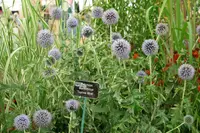
Blue globe-thistle, Echinops bannaticus, is a hardy herbaceous perennial grown mainly for its spherical blue flower heads and spiny, thistle-like foliage. It forms upright clumps that send up strong stems, giving the plant a bold, architectural look in sunny borders and wildlife gardens.
This species is native to parts of southeastern Europe and is well adapted to dry, open habitats. Once established, it tolerates drought, poor soils, and heat, which makes it relatively easy to maintain. Gardeners who care for Blue Globe-thistle usually value it for its reliability, long summer bloom, and strong attraction for bees and butterflies.
It generally prefers full sun, well-drained soil, and low to moderate moisture, and it fits well into low-maintenance or xeric planting schemes.

Care Difficulty
Easy Care

Light Preference
Full Sun

Water Requirements
Low Water

Temperature Preference
Cold Hardy

Hardiness Zone
4–9

Soil Texture
Sandy, Loamy, Rocky

Soil pH
Slightly acidic (6.5–7.0), Slightly alkaline (7.0–7.5)

Soil Drainage
Well-drained

Fertilization
Minimal (feed rarely)
Scan your plant to receive care tips personalized for your specific plant
Available on iOS and Android
This sun-loving perennial flowers best in open, bright conditions in most temperate gardens.
This drought-tolerant perennial prefers infrequent, deep watering once established.
This hardy perennial manages a wide temperature range but has clear preferences for vigorous growth.
Humidity is rarely a limiting factor for this drought-tolerant perennial grown outdoors in most temperate climates.
This species prefers relatively lean, well-drained soil that does not stay wet after rain or watering.
This species can be grown in containers, but the setup must account for its deep root system and tall, top-heavy stems.
This drought-tolerant perennial needs only light feeding for reliable flowering and sturdy growth.
Thoughtful pruning keeps Echinops bannaticus compact, tidy, and flowering well.
This deep-rooted perennial prefers to stay in place, so transplant or repot only when clearly needed.
New plants are most often raised from seed, with division of young clumps as a secondary method.
Mature plants are generally cold hardy in temperate climates and need minimal winter attention.

Plant Health Check
Not sure what's wrong with your plant? Check your plant's health inside the app.
The leaves have sharp, deeply lobed spines that deter large herbivores, but the spherical flower heads produce abundant, easily accessible pollen and nectar that support bees, butterflies, and many hoverflies in midsummer.
This species naturally occurs on dry, rocky, and often lime-rich ground in southeastern Europe and is physiologically adapted to low nutrient availability, which is why it often flowers better in lean, well-drained soils than in rich garden beds.
After flowering, the globe-shaped heads dry into rigid, long-lasting structures that can remain upright through winter, offering shelter for small invertebrates and providing architectural interest in seed-head focused planting schemes.

In parts of its native range in the Banat region and surrounding areas of southeastern Europe, this species has been recorded as a preferential nectar source for several long-tongued solitary bee species, which time their flight period to overlap with its peak flowering in mid to late summer.
Yes. The spherical flower heads are rich in nectar and pollen, so they strongly attract bees, butterflies, and other beneficial insects. Planting several together can create a reliable mid- to late-summer food source for pollinators.
Keep your plants happy and healthy with plant identification, disease detection, and easy care guidance.

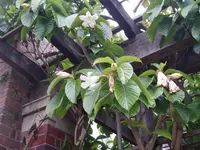
Easter lily vine
Beaumontia grandiflora
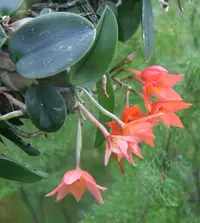
nodding sophronitis
Cattleya cernua
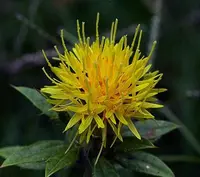
safflower
Carthamus tinctorius
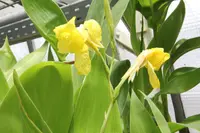
Bandanna-of-the-Everglades
Canna flaccida
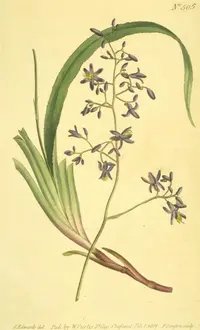
cerulean flaxlily
Dianella caerulea
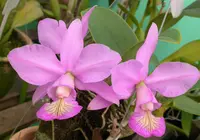
\the more noble cattleya\
Cattleya nobilior
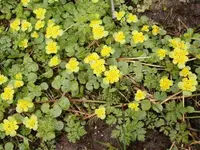
Alternate-leaved Golden-saxifrage
Chrysosplenium alternifolium
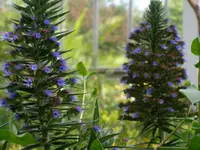
Pine echium
Echium pininana