Hosta Care (Hosta 'Patriot')

About Hosta

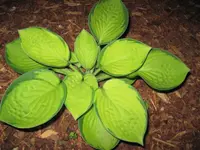
Hosta 'Patriot' is a clump-forming perennial grown mainly for its bold, variegated foliage rather than its flowers. It belongs to the shade-loving group of hostas often used as groundcovers or border plants in temperate gardens.

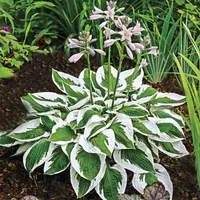
Leaves are dark green with wide, crisp white margins, forming a dense mound with a neat, architectural look. In summer, tall stems carry lavender to white, bell-shaped flowers above the foliage.

Hostas originate from woodland environments in East Asia, which explains their preference for shade, even moisture, and rich, well-drained soil. Its strong growth habit and tolerance of partial shade make it relatively straightforward for gardeners learning how to care for Hosta.

Main Plant Requirements

Care Difficulty

Easy Care

Light Preference

Partial Shade

Water Requirements

Regular Water

Temperature Preference

Cold Hardy

Hardiness Zone

3–8

Soil Texture

Loamy, Silty, Organic-rich

Soil pH

Acidic (5.5–6.5), Slightly acidic (6.5–7.0)

Soil Drainage

Moist but well-drained

Fertilization

Light (every 4–6 weeks)

Get Personalized Care Plan

Scan your plant to receive care tips personalized for your specific plant

Available on iOS and Android

How to Care for the Hosta

This variegated shade perennial prefers bright but gentle light to maintain strong growth and leaf color.

  • Provide 2–4 hours of soft morning sun with dappled or bright open shade the rest of the day for best variegation and dense foliage.
  • Tolerates partial shade to full shade, but in very deep shade leaves may elongate, colors fade, and clumps thin over time.
  • In hot summers, protect from strong midday and afternoon sun to prevent leaf scorch, especially during June–August when light intensity peaks.

Consistent, moderate soil moisture supports healthy foliage and steady growth for Hosta 'Patriot'.

  • Water when the top 3–5 cm of soil feels dry, aiming for evenly moist but not saturated soil during active growth in spring and summer.
  • Use well-drained, organic-rich soil; pooling water or a sour smell signals poor drainage and possible root rot risk.
  • In cool or rainy weather, reduce watering; wilting with dry soil indicates underwatering, while yellowing, limp leaves in damp soil suggest overwatering.

This hardy perennial grows best in cool to mild conditions with a pronounced winter chill period.

  • Optimal growth occurs around 60–75°F (16–24°C) during spring and early summer, with steady moisture and protection from hot, drying winds.
  • Established plants tolerate winter cold down to about -20°F (-29°C) when crowns are mulched; foliage naturally dies back after hard frost.
  • In hot regions, repeated highs above 85°F (29°C) can stress plants, so provide shade, consistent moisture, and mulch to keep roots cooler.

This cultivar handles typical outdoor humidity but benefits from moderate moisture in the air.

  • Aim for 40–60% humidity, which is common in shaded garden areas and near other plantings.
  • Tolerates brief dry air, but prolonged low humidity combined with heat can cause leaf edges to brown and crisp.
  • Increase local humidity by mulching the soil and grouping plants so foliage overlaps slightly, reducing evaporative stress.

Hosta 'Patriot' grows best in deep, moist, well-aerated soil with high organic content.

  • Use a loamy, crumbly structure with ample compost or leaf mold to retain moisture while staying friable.
  • Ensure steady drainage by avoiding heavy, compacted clay; improve existing clay with coarse bark fines and grit.
  • Target a slightly acidic to neutral pH around 6.0–7.0, which supports balanced nutrient availability for foliage growth.
  • Avoid waterlogged spots or thin, very sandy soil, since both lead to weak growth and more stress from heat and drought.

This cultivar is suitable for container growing when the pot and medium control moisture carefully.

  • Choose a wide, relatively deep container that allows the root crown to sit just at or slightly above the finished soil line.
  • Use a heavy, stable pot material such as ceramic or thick-walled plastic to counterbalance the spreading foliage mass in wind.
  • Raise the container on pot feet or bricks so drainage holes stay clear and runoff moves away quickly after rainfall or watering.

This shade-loving perennial benefits from moderate feeding to support lush foliage without producing weak, floppy growth.

  • Apply a balanced slow-release granular fertilizer (around 10-10-10 or similar) at 1/2 label strength once in early spring as shoots emerge.
  • Supplement with a light top-dressing of compost around the clump in late spring, keeping material off the crown and leaves.
  • During the growing season, optional liquid feed at 1/4–1/2 strength every 4–6 weeks can support plants in poor soil.
  • Stop feeding Hosta 'Patriot' by late summer and do not fertilize during fall and winter dormancy.

Pruning focuses on cleanliness and appearance rather than reshaping Hosta 'Patriot'.

  • In spring, remove any remaining dead foliage from the previous year using clean hand pruners or scissors at ground level.
  • Cut off yellowing, torn, or slug-damaged leaves during the season to improve air flow and reduce disease risk.
  • Deadhead spent flower stalks after bloom by cutting them near the base to keep the clump tidy and direct energy to roots.
  • In late fall after frost blackens foliage, shear leaves to ground level and dispose of debris to limit overwintering pests.

This hosta is usually grown in the ground and responds best to infrequent but well-timed transplanting or division.

  • Plan transplanting or dividing every 4–6 years, or when the clump becomes crowded, declines in vigor, or outgrows its space.
  • Move or divide plants in early spring as shoots just emerge, or in early fall with at least 4–6 weeks before hard frost.
  • Dig widely around the root mass, lift it gently, then replant at the same depth in well-prepared, moist, organic-rich soil.
  • Water thoroughly after transplanting, keep soil evenly moist for several weeks, and provide shade from intense sun to reduce stress.

Division is the standard method for increasing Hosta 'Patriot' while keeping its variegated foliage true to type.

  • Divide mature clumps in early spring as eyes emerge, or in early fall in mild climates, avoiding peak summer heat.
  • Lift the entire clump, then separate it into sections with 2–4 buds and a healthy root system using a sharp, clean knife or spade.
  • Replant divisions at original depth in loose, humus-rich, evenly moist soil with partial shade and good drainage.
  • Water new divisions thoroughly and maintain consistent moisture for 4–6 weeks to support rapid root re-establishment.

This hardy perennial tolerates freezing temperatures and generally needs minimal winter care in most temperate gardens.

  • Hosta 'Patriot' foliage naturally dies back after hard frost; allow it to yellow, then cut and remove to reduce pests and disease.
  • Apply a 5–8 cm layer of mulch around, but not on, the crown in late fall to buffer freeze–thaw cycles.
  • In very cold or exposed sites, container-grown plants benefit from moving pots into an unheated garage, shed, or against a sheltered wall.

Care Tips

Slug exclusion zone

Lay a 5–10 cm wide barrier of sharp horticultural grit or crushed lava rock around the clump in early spring to deter slugs and snails from chewing emerging foliage.

Spring shoot protection

As new shoots emerge, place low wire hoops and breathable horticultural fleece over the crown during late frosts to prevent leaf distortion and tissue damage.

Mulch for crown health

Apply a 3–5 cm layer of composted bark or leaf mold around but not over the crowns each spring to keep roots cool, reduce weed pressure, and maintain even soil moisture.

Divide at bud stage

Divide mature clumps just as pointed buds show in early spring, then replant divisions at the same depth and water deeply to reduce stress and speed re-establishment when growing Hosta.

Targeted pest scouting

Inspect the undersides of leaves and along midribs every 1–2 weeks from late spring for slug damage and foliar nematode streaking, so any problems can be treated before they disfigure the whole plant.

Common Pests and Diseases

Hosta virus X

This disease causes mottled, streaked, or twisted leaves and gradually weakens the whole clump. Symptoms include irregular color breaks, ink-like streaks along veins, and poor vigor.

Solution

Remove and destroy the entire infected plant, including roots, to prevent spread, and disinfect tools with a 10% bleach solution after use. Only buy Hosta from reputable growers, avoid exchanging divisions from unknown sources, and do not replant divisions from a suspect clump nearby for several years.

foliar nematodes

This pest lives inside leaf tissue and causes yellow to brown streaks between veins that eventually turn into dead patches. Symptoms include damage that stays between veins and often appears from mid to late summer.

Solution

Remove and discard infected leaves as soon as streaking appears, keeping them out of compost, and avoid overhead watering that keeps leaves wet for long periods. Space plants for good airflow, water at soil level in the morning, and if damage is severe, dig up and discard the whole plant and replace it with non-host plants for several years.

slugs and snails

These pests chew irregular holes in leaves, often leaving only leaf veins and a shiny slime trail. Damage is usually worst on young, tender leaves and in cool, damp conditions.

Solution

Hand-pick slugs and snails in the evening, reduce hiding spots such as dense mulch and debris, and use iron phosphate bait according to label directions around but not on the crown. Copper tape barriers or shallow beer or yeast traps placed near but not touching the plant can also reduce populations, especially when combined with regular cleanup.

southern blight

This disease causes sudden wilting and collapse of leaves, often with white fungal growth and small tan to orange spherical structures at the soil line. Symptoms include rapid crown rot in warm, humid weather, especially in poorly drained beds.

Solution

Remove the entire plant, surrounding soil, and any visible fungal structures, and discard them in the trash rather than compost. Improve drainage, avoid overmulching the crown, rotate with non-host plants, and in high-pressure areas consider using a labeled soil fungicide as a preventive measure when planting new Hosta.

crown rot (fungal)

This disease leads to mushy, foul-smelling crowns, poor emergence in spring, and yellowing or collapsing foliage during the growing season. Symptoms include soft, brown tissue at the base of the plant and poor root development, often after prolonged wet conditions.

Solution

Dig up affected plants, cut away all soft brown tissue, and discard the rotted parts, then replant only firm, healthy divisions into raised or better-drained soil. Avoid overwatering and thick, soggy mulch around the crown, water at the base in the morning, and space plants to allow quick drying of the soil surface, which supports more reliable Hosta 'Patriot' plant care over time.

Interesting Facts

Stable leaf variegation

The white leaf margins are genetically stable sport mutations from a green Hosta parent, so the bicolor pattern stays consistent across divisions and does not revert under normal garden conditions.

Registered sport origin

This cultivar originated as a sport of Hosta 'Francee' and was registered in the 1990s, representing a deliberate selection for sharper white margins and stronger visual contrast.

Enhanced slug visibility

The bright white margins make feeding damage from slugs and snails easier to spot compared with solid green Hostas, so gardeners can monitor pest pressure and respond earlier when caring for Hosta.

FAQs about Hosta

Brown leaf edges usually come from underwatering, hot sun, or low humidity, sometimes combined with excess fertilizer salts. Check soil moisture, reduce heat or sun exposure, flush salts, and remove worst-damaged leaves to improve appearance.

Grow Healthy Plants with Botan Care

Keep your plants happy and healthy with plant identification, disease detection, and easy care guidance.

Botan plant care app — identify plants on mobile

Explore More Plants