sweetflower rockjasmine Care (Androsace chamaejasme)

sweetflower rockjasmine

About sweetflower rockjasmine

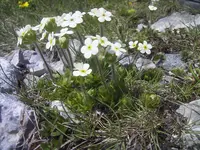
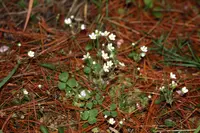
Sweetflower rockjasmine, Androsace chamaejasme, is a compact alpine perennial forming low cushions close to the ground. It produces small rosettes of narrow leaves and dense clusters of white flowers, often with a yellow or pinkish eye.

This plant is native to high mountain regions of Europe and Asia, where it grows in rocky, well-drained sites exposed to strong light and cool temperatures. It can be challenging outside rock garden or alpine conditions because it dislikes heat, humidity, and poorly drained soil.

Gardeners who learn how to care for sweetflower rockjasmine focus on cool conditions, sharp drainage, and consistent but light moisture to keep roots healthy.

Main Plant Requirements

Care Difficulty

Hard Care

Light Preference

Full Sun

Water Requirements

Low Water

Temperature Preference

Cold Hardy

Hardiness Zone

3–7

Soil Texture

Sandy, Loamy, Rocky

Soil pH

Slightly acidic (6.5–7.0), Neutral (7.0)

Soil Drainage

Well-drained

Fertilization

Minimal (feed rarely)

Get Personalized Care Plan

Scan your plant to receive care tips personalized for your specific plant

Available on iOS and Android

How to Care for the sweetflower rockjasmine

This alpine species prefers bright, cool conditions that mimic high-mountain habitats for compact, healthy growth.

  • Provide 6–8 hours of full sun in cool climates; in hotter lowland sites, give morning sun with light afternoon shade to prevent leaf scorch.
  • In rock gardens, plant where nearby stones cast partial shade during the hottest midday hours while still allowing strong overall light.
  • If clumps elongate, flower less, or foliage pales, light is likely too low; move or replant sweetflower rockjasmine into a brighter position.

This plant prefers evenly moist but not saturated conditions, especially during active spring and early summer growth.

  • Allow the top 2–3 cm of soil around the rosette to dry slightly between waterings, then water thoroughly so it drains quickly through gritty soil.
  • In winter or very cool periods, reduce watering sharply, keeping the soil just barely moist to avoid root rot in cold, wet substrates.
  • Yellowing, soft foliage and a sour smell indicate overwatering, while limp, dull leaves and shrinking rosettes suggest the need for more moisture for Androsace chamaejasme.

This cold-tolerant alpine thrives in cool conditions and tolerates significant frost once well established.

  • Optimal growth occurs around 45–65°F (7–18°C), with cool nights helping maintain compact rosettes and good flower production.
  • Mature plants can tolerate lows near 0°F (−18°C) under snow cover or with excellent drainage, but repeated freeze–thaw in waterlogged soil can kill crowns.
  • Heat tolerance is limited; in regions with summer highs above 80°F (27°C), provide afternoon shade, excellent airflow, and very sharp drainage to reduce stress.

Humidity is rarely a concern, as this alpine species prefers cool, relatively dry air over moisture-laden conditions.

  • Aim for 30–50% humidity, similar to typical indoor air in temperate homes.
  • Plant sweetflower rockjasmine where air circulates freely to prevent moisture lingering around foliage and crowns.
  • Watch for yellowing at the leaf base or a musty smell, which suggests overly humid, stagnant conditions rather than dryness.

Androsace chamaejasme needs very sharply drained, mineral-based soil that mimics alpine scree or rock crevices.

  • Use a gritty mix such as 50–70% coarse sand or fine gravel blended with 30–50% loam-based compost.
  • Aim for slightly acidic to neutral pH, roughly pH 6.0–7.0, avoiding strongly alkaline or saline substrates.
  • Increase aeration by incorporating pumice or perlite instead of fine peat, which compacts and holds too much water.
  • Avoid heavy clay, unamended garden soil, or mixes that stay wet for more than 24 hours after thorough watering.

This species can grow in containers if given a shallow, very free-draining setup that imitates an alpine trough.

  • Choose a wide, shallow pot to keep the root zone cool and prevent water collecting deeply around the crown.
  • Use unglazed clay or stone containers, which allow faster evaporation and reduce the risk of crown rot after rain.
  • Top-dress the surface with fine grit to keep foliage off wet media and to stabilize the small rosettes in strong sun and wind.

This alpine species needs only light feeding, as it is adapted to lean, rocky soils.

  • Use a low-dose, balanced NPK liquid fertilizer at 1/4–1/2 strength for sweetflower rockjasmine in containers.
  • Feed once every 4–6 weeks during the active growing season, after watering, to avoid root burn.
  • Avoid fertilizer on newly planted or stressed Androsace chamaejasme until growth resumes.
  • Stop feeding in late summer; do not fertilize during winter dormancy.

Pruning needs for Androsace chamaejasme are minimal and focus on cleanliness rather than shaping.

  • In late spring or after flowering, remove spent flower stems to keep rosettes tidy and reduce seed self-sowing.
  • Snip away dead or diseased leaves with small, sharp scissors or snips disinfected with alcohol.
  • Thin out crowded or smothered rosettes very lightly to maintain airflow in tight rock crevices.
  • Avoid heavy cutting into healthy rosettes, as this can weaken the plant and reduce bloom the next year.

This alpine cushion plant is usually grown in rock gardens or troughs and dislikes frequent disturbance.

  • Transplant in early spring or early fall, when temperatures are mild and soil stays evenly moist.
  • Watch for slow growth, roots circling in a small pot, or the plant lifting from the soil as signs it needs more space.
  • Move Androsace chamaejasme no more often than every 3–4 years, using a very free-draining gritty mix.
  • Lift with a generous soil ball, avoid breaking the fine roots, and shade lightly for 2–3 days to reduce transplant shock.

Propagation of this species is possible but requires attention to detail and suitable alpine conditions.

  • Sow fresh seeds in late summer to autumn in a gritty, well-drained mix and leave pots outdoors for natural cold stratification.
  • Keep seed trays cool and evenly moist; germination often occurs in spring after winter chilling.
  • Divide small offsets only on established clumps, taking care not to damage the central taproot or cushion structure.
  • Provide bright light, good airflow, and careful watering for young Androsace chamaejasme plants to prevent damping-off.

This species is quite cold hardy but benefits from protection from excess winter moisture, especially in containers.

  • Hardy to freezing temperatures when grown in sharply drained, gritty soil or rock crevices.
  • In wet-winter climates, use a coarse gravel mulch around rosettes to keep leaf bases dry.
  • Site troughs or pots in a cold, bright, sheltered area with overhead cover to limit rain and snow saturation.

Care Tips

Rocky substrate pockets

When planting in rock gardens or troughs, tuck the roots into narrow crevices filled with gritty mix and top-dress with small gravel to mimic alpine scree and keep the crown dry at soil level.

Snow and rain shielding

In regions with wet winters, place a simple clear cover or cold frame over the plant from late fall to early spring to protect the tight rosettes from prolonged saturation and freeze–thaw damage.

Summer heat buffering

In hotter climates, position the plant where afternoon shade is cast by rocks or low walls so the root zone stays cool while the rosettes still receive bright light earlier in the day.

Careful rosette division

Divide only well-established mats, gently teasing apart small clumps with an intact root portion in early spring, then replant immediately into pre-prepared gritty pockets to reduce transplant shock when you grow Androsace chamaejasme.

Targeted deadhead technique

After flowering, use fine scissors to remove spent flower stems close to the rosettes without disturbing the leaves, which helps maintain the compact cushion and reduces self-sown seedlings in tight alpine plantings.

Common Pests and Diseases

Alpine powdery mildew

This disease causes a fine white or grayish powder on leaves and rosettes, especially in dense cushion growth and during warm, dry days with cool, humid nights. Symptoms include distorted, weakened foliage that can reduce flowering.

Solution

Remove and discard affected leaves to reduce spore load, then improve air movement around the cushion by thinning nearby plants or debris. Avoid overhead watering, keep foliage dry in the evening, and if outbreaks are persistent in alpine troughs or rock gardens, use a low-impact fungicide labeled for powdery mildew on ornamentals following label directions.

Crown and stem rot

This disease affects the tight cushion center, where damp or poorly drained conditions lead to soft, brown, collapsing crowns and disintegrating rosettes. Symptoms include sudden dieback of portions of the cushion, often after snowmelt or prolonged rain.

Solution

Carefully cut out and discard all soft, brown tissue, allowing the remaining healthy cushion to dry well. Improve drainage with gritty substrate, raise the plant slightly on a slope or rock crevice, avoid water collecting around the crown, and in very wet climates consider a small overhead cover in winter to keep excess moisture off the plant.

Aphids

These insects gather on young flower stems and the undersides of leaves, sucking sap and causing distortion and sticky honeydew deposits. This pest can weaken flowering in tight alpines like this species.

Solution

Wash colonies off gently with a firm stream of water, taking care not to damage the rosettes, and pinch off heavily infested flowering stems. For persistent infestations, apply insecticidal soap or a horticultural oil in cool, shaded conditions, repeating as needed while monitoring beneficial insects.

Spider mites

This pest appears in hot, dry positions, causing fine stippling, dulling of the foliage, and occasionally faint webbing between rosettes. Symptoms include general loss of vigor and increased sensitivity to heat stress.

Solution

Increase humidity around the plant without waterlogging the soil by using nearby pebble trays or light misting around, not into, the crown, and rinse foliage gently to remove mites. In severe cases in alpine troughs, apply a miticidal soap or horticultural oil, ensuring good coverage in all leaf axils and repeating treatments on a 5–7 day schedule until new growth appears clean.

Gray mold (Botrytis)

This disease develops in cool, damp weather on spent flowers and dense, shaded parts of the cushion, producing fuzzy gray mold and soft, decaying tissue. Symptoms include local dieback where dead flower stems and debris remain trapped in the rosette mat.

Solution

Promptly deadhead spent flowers and remove any dead or decaying material lodged in the cushion to reduce moisture-holding debris. Improve air circulation, avoid overhead watering in cool conditions, and if gray mold recurs, a targeted fungicide labeled for Botrytis on ornamentals can be used sparingly, combined with stricter hygiene and better drainage as the primary control.

Interesting Facts

High mountain specialist

This species naturally occurs in alpine and subalpine zones of Europe and Asia, often above the treeline on windy, exposed slopes where many other flowering plants cannot survive.

Cushion-forming growth

The plant forms dense, low cushions of tiny rosettes that minimize heat loss and reduce wind damage, an adaptation typical of high-elevation cushion plants.

Fragrant white flowers

It produces small white flowers with a yellow eye that are often sweetly scented, attracting the limited pollinators active in short alpine summers.

Botan icon

Did you know?

This species is considered poisonous to livestock in some high mountain pastures, and ingestion by sheep or cattle has been associated with so-called milk sickness, where toxins are passed into milk and can cause illness in humans.

FAQs about sweetflower rockjasmine

This alpine species forms small, tight mats and spreads slowly by short stems. It is not aggressive and rarely overwhelms neighboring plants, making it suitable for rock gardens, troughs, or crevices where controlled growth is preferred.

Grow Healthy Plants with Botan Care

Keep your plants happy and healthy with plant identification, disease detection, and easy care guidance.

Botan plant care app — identify plants on mobile

Explore More Plants