Umbelled rockjasmine Care (Androsace umbellata)

Umbelled rockjasmine

About Umbelled rockjasmine

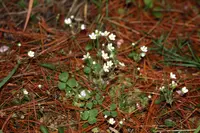
Umbelled rockjasmine (Androsace umbellata) is a small alpine and rocky-habitat perennial, often forming low, compact rosettes close to the ground. It produces delicate, umbrella-like clusters of tiny white to pale pink flowers on slender stems above the foliage.

This species is native to mountain and open rocky areas in parts of Eurasia, where it experiences strong light, good air movement, and sharply drained soils. Its preference for cool conditions and excellent drainage makes it more suited to rock gardens and specialist collections than casual indoor culture.

Gardeners who want to learn how to care for Umbelled rockjasmine should focus on providing bright light, low to moderate moisture, and gritty, well-drained soil to prevent root problems.

Main Plant Requirements

Care Difficulty

Hard Care

Light Preference

Full Sun

Water Requirements

Moderate Water

Temperature Preference

Cool Climate

Hardiness Zone

4–8

Soil Texture

Sandy, Loamy, Rocky

Soil pH

Acidic (5.5–6.5)

Soil Drainage

Well-drained

Fertilization

Minimal (feed rarely)

Get Personalized Care Plan

Scan your plant to receive care tips personalized for your specific plant

Available on iOS and Android

How to Care for the Umbelled rockjasmine

This alpine prefers bright, cool conditions with protection from harsh midday sun.

  • Provide 4–6 hours of direct morning sun with light or dappled shade from late morning to afternoon, especially in warmer climates.
  • Site Umbelled rockjasmine where it receives full sun in spring and fall, but filtered light or high shade during hot summer periods to prevent leaf scorch.
  • Watch for pale, lanky growth as a sign of insufficient light, and brown, crisp leaf edges as an indicator of excessive sun exposure.

This species needs consistent but not excessive moisture in sharply drained soil.

  • Allow the top 2–3 cm of gritty soil to dry before watering, then moisten thoroughly so water drains quickly away from the crown.
  • Reduce watering in cool seasons or prolonged cloudy weather, keeping soil just barely moist to avoid root rot in Androsace umbellata.
  • Monitor foliage: soft, yellowing leaves and a sour soil smell indicate overwatering, while limp, shriveled leaves and very dry, pulling soil indicate underwatering.

This alpine plant prefers cool to moderately warm conditions with some cold tolerance.

  • Aim for active growth in 50–68°F (10–20°C), avoiding extended periods above 77°F (25°C) to reduce stress and flowering decline.
  • Mature plants tolerate light frosts down to about 20°F (-7°C) if soil is well drained, but young rosettes benefit from protection below 25°F (-4°C).
  • Provide extra shade and airflow during hot spells over 80°F (27°C), and avoid sudden freeze–thaw cycles that can heave plants from the soil.

This alpine prefers relatively dry air and does not need high humidity.

  • Target 30–50% humidity; avoid prolonged levels above 60% to reduce rot risk.
  • Plant tolerates dry indoor air but suffers if foliage stays constantly damp in enclosed spaces.
  • Watch for yellowing at the crown and soft, collapsing leaves as signs of excess humidity and poor air movement.

This species requires sharply drained, gritty soil that mimics its natural rocky habitats.

  • Use a mix of 40% coarse sand or grit, 40% loam, and 20% fine gravel to keep structure open and free draining.
  • Aim for slightly acidic to neutral pH around 6.0–7.0, avoiding strongly acidic or alkaline mixes.
  • Incorporate small gravel throughout the profile rather than only on top to improve aeration around the crown and roots.
  • Avoid heavy clay, peat-heavy blends, or any soil that stays wet for more than 1 day after watering to prevent crown rot in Androsace umbellata.

This species can grow successfully in containers if drainage and root conditions are carefully controlled.

  • Select a wide, shallow pot so the relatively fine root system can spread in a thin, cool layer similar to alpine scree.
  • Choose unglazed terracotta to allow moisture to evaporate quickly and reduce the risk of crown rot after rainfall or watering.
  • Top-dress the container surface with 1–2 cm of grit to keep the crown dry and prevent splashing soil onto leaves.

This alpine annual needs only light feeding to support flowering without forcing soft, weak growth.

  • Use a low-dose balanced liquid fertilizer (around 10-10-10) at 1/4 strength in well-drained, gritty soil for caring for Umbelled rockjasmine.
  • Feed every 3–4 weeks during active spring–early summer growth if soil is low in nutrients.
  • Avoid rich compost or heavy slow-release pellets, which encourage lush, floppy foliage over flowers.
  • Stop feeding in late summer and do not fertilize during cool, dormant periods.

Pruning needs for Androsace umbellata are minimal and focus on hygiene rather than shaping.

  • In late spring and early summer, pinch or trim spent flower stems to encourage a tidier cushion and potential rebloom.
  • Remove any dead, diseased, or damaged leaves promptly using clean, sharp scissors.
  • Thin overcrowded rosettes lightly to improve air movement and reduce fungal issues.
  • Avoid hard cutting into the crown, as this small alpine is sensitive to severe pruning.

This species is usually grown in rock gardens or alpine troughs, so transplanting is done sparingly and with care.

  • Transplant in early spring when growth resumes, avoiding hot, dry periods that increase stress.
  • Move plants only when clumps crowd each other or when drainage is poor, rather than on a fixed schedule.
  • Lift with a wide trowel, keeping as much root ball and surrounding gritty soil intact as possible.
  • Replant at the same depth into sharply drained, lean substrate and water lightly until established.

Propagation of Androsace umbellata is mainly done from seed under cool, well-controlled conditions.

  • Sow fresh seed in late summer or autumn in shallow trays with gritty, free-draining mix.
  • Expose sown trays to natural winter cold for several weeks; this stratification improves germination.
  • Keep the medium just moist, not wet, and provide bright, indirect light once seedlings emerge.
  • Transplant tiny seedlings carefully to individual cells once true leaves form, disturbing roots as little as possible.

This alpine annual is fairly cold tolerant but benefits from simple winter precautions in wet or severe climates.

  • In the ground, ensure very sharp drainage so roots do not sit in cold, saturated soil.
  • Apply a light gravel mulch around crowns to reduce freeze–thaw damage and excess moisture.
  • For containers, move pots to a cold, bright, sheltered spot to avoid prolonged freezing and winter waterlogging.

Care Tips

Rock crevice planting

Place plants in shallow pockets between rocks or in a crevice-style trough so roots stay cool and firmly anchored, which closely mimics this alpine species’ natural habitat and improves long-term survival.

Fine gravel topdressing

After planting, apply a 0.5–1 cm layer of washed fine grit or sharp sand around the crown to keep foliage dry at the base, reduce rot risk, and discourage moss and algae from smothering the rosette.

Snow and rain shielding

In wet or snowy winters, use a simple cold frame lid, clear roof tile, or plastic cloche that sheds water but allows light, as this prevents freeze–thaw damage to the crown and reduces winter rot in poorly drained soils.

Seed-head management

Allow only a few seed heads to mature for propagation, then deadhead the rest so the plant does not exhaust itself, which helps maintain compact rosettes and stronger flowering the following year when growing Umbelled rockjasmine.

Gentle root disturbance

When transplanting, tease apart only the outer roots and keep the central root ball largely intact, since this plant dislikes heavy disturbance and performs best when moved quickly and with minimal handling.

Common Pests and Diseases

Powdery mildew

This disease appears as a white to gray powdery coating on leaves and stems, especially in humid conditions with poor air movement. Symptoms include distorted new growth and a general decline in vigor.

Solution

Remove and discard heavily infected leaves to reduce spore spread, then improve airflow by avoiding overcrowding and watering at the base. If needed, apply a sulfur-based or potassium bicarbonate fungicide labeled for ornamental alpines, following directions carefully and avoiding treatment during hot, sunny periods to prevent leaf burn.

Botrytis blight

This disease causes soft, water-soaked spots on leaves and flower stalks that quickly develop gray, fuzzy mold, especially in cool, damp weather. Symptoms include collapsed rosettes and browning of flower stems.

Solution

Promptly remove and discard all affected plant parts and any dead plant debris around the cushion to reduce moisture retention. Improve drainage and ventilation, avoid overhead watering, and if outbreaks persist, use a targeted ornamental fungicide for Botrytis, rotating products to reduce resistance risk.

Alpine crown rot

This disease starts as browning at the crown and base of rosettes, progressing to a soft, rotten center where plants suddenly collapse, especially in poorly drained or wet winter conditions. Symptoms include yellowing outer leaves and a foul smell from decaying tissue.

Solution

Excavate and discard severely affected plants, then improve soil structure by adding grit to enhance drainage and raising the planting area or using a scree bed. Avoid waterlogging by watering sparingly, keeping the crown slightly elevated, and providing a gritty top-dressing to keep the neck of the rosette dry, particularly over winter.

Aphids

These insects cluster on flower stems and undersides of leaves, sucking sap and causing distorted growth and sticky honeydew. Symptoms include curling leaves, stunted flowering, and the presence of ants attracted to the honeydew.

Solution

Dislodge colonies with a firm stream of water, then repeat every few days until numbers decline. If infestations persist on this small alpine, apply insecticidal soap or a lightweight horticultural oil, coating stems and leaf undersides while avoiding treatment during high heat or full midday sun.

Spider mites

This pest thrives in hot, dry conditions and feeds on leaf sap, leading to fine stippling, pale foliage, and sometimes delicate webbing between rosettes. Symptoms include a dry, tired appearance and slowed growth despite adequate watering.

Solution

Increase humidity around the plant without saturating the crown, and gently hose the foliage, focusing on the undersides where mites hide. For ongoing problems, use insecticidal soap or a miticide labeled for ornamentals, applied thoroughly and repeated at intervals to target emerging mites.

Interesting Facts

Sand-loving annual

This small annual primrose relative typically grows in loose, sandy or gravelly soils of open habitats, including desert margins and dry river terraces in western North America.

Compact rosette habit

The plant forms a low rosette of small, often spoon-shaped leaves close to the ground, which helps reduce water loss and protects tissues from drying winds in exposed sites.

Delicate umbel flowers

Its tiny white to pale pink flowers are borne in an umbel-shaped cluster on slender stalks, a structure that gives the species its name and provides an efficient landing platform for small pollinating insects.

FAQs about Umbelled rockjasmine

Sparse or absent flowering is often due to insufficient light, overly rich or wet soil, or excessive nitrogen fertilizer. Provide bright conditions, sharp drainage, and only light feeding to encourage compact growth and reliable spring blooming.

Grow Healthy Plants with Botan Care

Keep your plants happy and healthy with plant identification, disease detection, and easy care guidance.

Botan plant care app — identify plants on mobile

Explore More Plants