Encourage Caudex Shape
Rotate the container 90° every 2–3 weeks during active growth so light hits different sides, which encourages an even, well-rounded swollen trunk rather than a lopsided form.


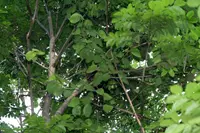
The paper tree, Commiphora marlothii, is a small deciduous tree from dry regions of southern Africa. It belongs to the frankincense family and forms a thick, water-storing trunk. Its most distinctive feature is the peeling, papery bark that exposes smooth, pale layers beneath, giving strong visual interest even when leafless in the dry season. Growth is slow, with a sculptural, branching habit suited to container culture. This species is adapted to intense sun, heat, and poor, rocky soils, which makes it relatively forgiving of drought but sensitive to overwatering. For those who want to care for Paper Tree successfully, a bright, dry, and very well-drained environment is essential.

Care Difficulty
Moderate Care

Light Preference
Full Sun

Water Requirements
Low Water

Temperature Preference
Tropical / Frost Sensitive

Hardiness Zone
10–12

Soil Texture
Sandy, Loamy, Rocky

Soil pH
Slightly acidic (6.5–7.0), Neutral (7.0)

Soil Drainage
Well-drained

Fertilization
Minimal (feed rarely)
Scan your plant to receive care tips personalized for your specific plant
Available on iOS and Android
This drought-adapted tree prefers strong sun but benefits from protection from extreme afternoon intensity in very hot regions.
This species is highly drought tolerant and must dry well between waterings to prevent root damage.
This tree thrives in hot, arid climates and is sensitive to extended cold and frost.
This drought-adapted succulent tree tolerates typical indoor humidity and does not need special humidity control.
This species needs very fast-draining, mineral-rich soil to prevent root and stem rot.
This tree can be grown in containers for many years if the pot and substrate prioritize drainage and stability.
This drought-adapted species needs minimal feeding, but light nutrients can support healthy growth in containers or poor soils.
Pruning Commiphora marlothii focuses on maintaining structure, removing problem wood, and keeping the canopy open.
Transplanting is infrequent, as this species prefers stable conditions and reacts poorly to heavy root disturbance.
Propagation of this species is possible but slow and better suited to patient, attentive growers.
Cold sensitivity means this tree needs thoughtful winter management in regions with frost or freezing temperatures.

Plant Health Check
Not sure what's wrong with your plant? Check your plant's health inside the app.
In its native range, this species often develops its distinctive swollen, fluted trunk after repeated breakage and browsing by elephants, which effectively prune the tree and shape its architecture over time.
The bark peels off in thin, papery sheets that may curl and hang from the branches, especially on older stems, giving the tree its common name paper tree in some regions.
The thick, water-storing trunk and branches act as a reservoir that helps the tree survive long dry periods typical of semi-arid savanna habitats.

This species is one of the characteristic trees of certain southern African savannas and rocky outcrops, often forming part of open woodland communities alongside iconic species such as baobabs and knobthorns, where it contributes to habitat structure and dry-season browse for wildlife.
Growth is slow to moderate. Young plants may add 10–20 cm per year, sometimes less in cool or very dry climates. In warm, dry regions with sharp drainage, it gradually forms a small tree over many years.
Keep your plants happy and healthy with plant identification, disease detection, and easy care guidance.