narrow-leaved iceplant Care (Conicosia pugioniformis)

Also known as: Pig's-root, Narrowleaf Conefig, Giant Clockplant, Pig Salad, Narrow-leaf Iceplant, False Iceplant, Slender Iceplant
narrow-leaved iceplant

About narrow-leaved iceplant

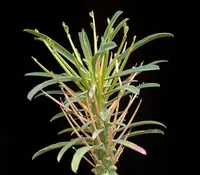
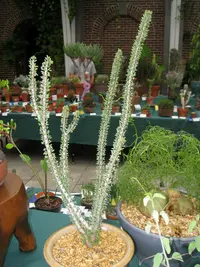
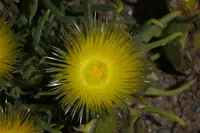
Narrow-leaved iceplant, Conicosia pugioniformis, is a low-growing succulent from coastal South Africa, often forming dense, spreading clumps. It has long, pointed, fleshy leaves and bright yellow, daisy-like flowers that open in strong light. In mild, dry climates it can naturalize and behave as a vigorous groundcover. As a succulent, it stores water in its leaves, which makes it drought-tolerant but sensitive to prolonged wet conditions. Well-drained, sandy soil and plenty of sun support healthy growth. These traits generally make it easy to care for narrow-leaved iceplant, provided excess moisture is avoided.

Main Plant Requirements

Care Difficulty

Easy Care

Light Preference

Full Sun

Water Requirements

Low Water

Temperature Preference

Tropical / Frost Sensitive

Hardiness Zone

10–11

Soil Texture

Sandy, Loamy, Rocky

Soil pH

Slightly acidic (6.5–7.0), Neutral (7.0)

Soil Drainage

Well-drained

Fertilization

Minimal (feed rarely)

Get Personalized Care Plan

Scan your plant to receive care tips personalized for your specific plant

Available on iOS and Android

How to Care for the narrow-leaved iceplant

This coastal succulent prefers bright, direct light similar to its native South African habitat.

  • Provide 6–8 hours of full sun daily; morning and midday sun promote compact growth and abundant flowers.
  • Tolerates light afternoon shade in very hot inland areas, but prolonged shade causes stretched, weak leaves and fewer blooms in narrow-leaved iceplant.
  • Outdoors, position in an open, unshaded spot; in winter, choose the sunniest area available to compensate for shorter days and lower light angles.

This drought-adapted succulent stores water in its leaves and needs infrequent, careful watering.

  • Allow the top 3–5 cm of soil to dry completely before watering; in sandy, fast-draining soil this may be every 10–21 days depending on heat and wind.
  • Reduce watering sharply in winter dormancy, giving only enough to prevent shriveling leaves while avoiding prolonged wet soil around the roots.
  • Watch for soft, yellowing, or translucent leaves as signs of overwatering, and thin, wrinkled leaves and slower growth as indicators of underwatering; always use sharply draining soil.

This species prefers mild, frost-free conditions and handles dry heat better than cold and wet.

  • Aim for 60–80°F (16–27°C) for active growth; plants remain most compact and floriferous at the warmer end of this range with strong light.
  • Protect from frost; brief dips to 28–32°F (-2–0°C) may damage foliage, while harder or repeated freezes can kill roots and crowns, especially in wet soil.
  • Tolerates dry heat up to 95–100°F (35–38°C) if soil drains quickly and light is strong; in extended heat waves, reduce watering slightly and avoid overhead watering during the hottest part of the day.

Humidity is not a significant factor for this drought-adapted succulent.

This species needs very fast-draining, mineral-rich soil that mimics sandy coastal habitats.

  • Use a gritty succulent mix based on coarse sand and fine gravel, with only 10–20% organic matter such as compost or coco coir.
  • Aim for a slightly acidic to neutral pH of about 6.0–7.0, which supports nutrient availability without stressing roots.
  • Improve drainage and aeration by adding extra pumice or perlite (20–40% of the mix) if using denser commercial cactus soil.
  • Avoid dense, clay-heavy, or water-retentive mixes, since persistent moisture around the roots quickly leads to rot in Conicosia pugioniformis.

This succulent is well suited to container growing outdoors in dry, bright conditions.

  • Choose a wide, shallow container to match its spreading root system and reduce the risk of water sitting in deep soil layers.
  • Select unglazed terracotta to speed evaporation and keep the mix dry between waterings, especially in cooler or humid climates.
  • Raise the pot slightly on feet or spacers so drainage holes stay clear and excess water can leave the container immediately after rain or watering.

This succulent needs only light feeding, as it is adapted to nutrient-poor, sandy soils.

  • Use a low-dose, balanced liquid fertilizer (e.g., 10-10-10) diluted to 25–50% strength for narrow-leaved iceplant.
  • Feed once at the start of active growth in spring and again in mid-summer if growth appears weak.
  • Choose a product formulated for cacti and succulents or apply a thin layer of sifted compost around outdoor plants.
  • Stop feeding in late fall and avoid fertilizing during winter dormancy to prevent soft, frost-sensitive growth.

Pruning needs for Conicosia pugioniformis are minimal and mainly hygienic.

  • Best time for light pruning is late winter to early spring before strong new growth begins.
  • Remove dead, shriveled, or damaged leaves with clean, sharp scissors or small pruning snips.
  • Thin crowded, overlapping shoots to improve airflow and maintain a low, open mat-like form.
  • Deadhead spent flowers if desired to reduce self-seeding and keep the plant looking tidy.

This species is usually grown in shallow containers or rock gardens and dislikes frequent disturbance.

  • Plan repotting or transplanting every 2–3 years, or when roots circle the pot and growth slows.
  • Move plants in late winter to early spring, allowing the root system to establish before peak heat.
  • Use a wide, shallow container or sunny, well-drained site with gritty, sandy soil to limit waterlogging stress.
  • Handle the fleshy roots gently, keep old soil around them, water lightly after moving, and shade from strong sun for 3–5 days.

Conicosia pugioniformis is commonly propagated by seed and succulent stem or leaf cuttings.

  • Take 5–7 cm cuttings in late spring or early summer and allow cut surfaces to dry for 2–3 days.
  • Insert callused cuttings into a gritty, barely moist mix and keep in bright, indirect light until rooted.
  • Sow fresh seed on the surface of a fast-draining mix, barely covering, and maintain 65–75°F.
  • Provide gentle bottom warmth and avoid overwatering; allow the top layer of mix to dry slightly between waterings.

This coastal succulent is frost-sensitive and needs protection in climates with freezing winters.

  • In regions below 25–30°F, grow Conicosia pugioniformis in containers that can be moved indoors for winter.
  • Provide a cool, bright indoor spot, reduce watering sharply, and keep soil almost dry.
  • In mild coastal climates, use a light gravel mulch to insulate the root zone and improve drainage.
  • Avoid overhead watering in cold spells to reduce risk of rot in the fleshy leaves and crown.

Care Tips

Winter rain protection

In climates with wet winters, place pots under a clear overhang or use a simple cold frame so the foliage and crown stay dry while still receiving maximum light, which greatly reduces rot risk in this species.

Deep container choice

Use a container that is deeper than it is wide and avoid shallow bowls, as this plant forms a strong taproot that needs vertical space to anchor the plant and store water for drought periods.

Controlled clump renewal

Every 2–3 years, lift and divide congested clumps at the end of their active season, discarding woody, exhausted centers and replanting only the freshest outer sections to keep growth vigorous and flowering reliable.

Targeted pest scouting

Inspect the narrow leaves and leaf bases every few weeks for mealybugs and aphids, and if found, spot-treat with a cotton swab dipped in alcohol or a directed application of insecticidal soap rather than blanket-spraying the whole plant.

Heatwave adaptation

During very intense heat spells above the usual summer range, shift pots to bright shade for part of the afternoon and slightly increase air movement to limit sun stress and wrinkling of the fleshy leaves while still growing narrow-leaved iceplant successfully.

Common Pests and Diseases

Mealybugs

This pest feeds on succulent leaves and stems, sucking sap and causing shriveling and weak growth. Symptoms include white cottony clusters in leaf crevices and along stems.

Solution

Isolate the plant, then dab visible insects with cotton swabs dipped in 70% isopropyl alcohol and repeat weekly until clear. For larger outbreaks, rinse the plant gently with a strong but controlled stream of water and apply a horticultural soap or neem oil spray, ensuring the plant then dries quickly in bright, airy conditions.

Aphids

These insects colonize tender new growth and flower stalks, extracting sap and causing distortion, sticky honeydew, and sometimes sooty mold on the plant surface. This pest can also attract ants that protect and farm them for honeydew.

Solution

Spray the plant with a firm stream of water to dislodge aphids, then follow with an application of insecticidal soap, fully coating stems and the undersides of leaves. Repeat every 5–7 days as needed and reduce excess nitrogen fertilization, which encourages soft, aphid-prone growth when trying to grow Conicosia pugioniformis.

Scale insects

This pest appears as small, dome-shaped or oval bumps on stems and leaf bases, often brown or tan, and remains immobile while feeding on sap. Symptoms include yellowing, stunted growth, and sticky honeydew on nearby surfaces.

Solution

Gently scrape or peel off individual scales with a fingernail or soft tool, then wipe stems with alcohol-moistened cotton to remove remaining juveniles. For persistent infestations, apply horticultural oil thoroughly to smother the insects, and keep the plant in a bright, dry, well-ventilated spot to limit reinfestation.

Botrytis blight

This disease develops in cool, humid, or poorly ventilated conditions, causing soft, water-soaked areas on leaves that quickly develop gray, fuzzy mold. Symptoms include collapsed, mushy leaf sections and a dusty gray spore layer, especially on older or damaged tissue.

Solution

Remove and discard all affected tissue, using sterile tools, and improve air movement and spacing around the plant while avoiding overhead watering. Allow the soil surface and foliage to dry between waterings, and in severe cases use a fungicide labeled for Botrytis on succulents, following label directions closely.

Leaf tip scorch

Symptoms include browning and drying at the pointed leaf tips, sometimes progressing along the margins, usually linked to intense sun, hot reflected heat, or salt buildup in the potting mix. The rest of the leaf often remains firm but discolored at the extremities.

Solution

Move the plant to bright light with partial protection from intense midday sun and check that the soil drains very rapidly. Flush the potting mix thoroughly with clean water to reduce soluble salts, trim only fully dead tissue from leaf tips, and adjust watering so the soil dries completely between waterings without prolonged drought stress.

Interesting Facts

Fleshy dagger leaves

This species has long, three-angled, dagger-shaped leaves that store water, an adaptation that allows it to survive extended dry periods in its native coastal South African habitats.

Night-scented flowers

The bright yellow, many-petaled flowers often open more fully and release more scent in the evening, helping attract nocturnal pollinators such as moths and beetles in its natural range.

Vigorous coastal colonizer

Outside its native range, especially in Mediterranean-climate coasts like California, it can spread aggressively in sandy soils, forming dense mats that displace local dune vegetation.

Botan icon

Did you know?

The dry seed capsules of this plant are hygrochastic, meaning they open in response to moisture; when it rains, the capsule valves spread and release seeds, then close again as they dry, timing seed dispersal to conditions favorable for germination.

FAQs about narrow-leaved iceplant

This species forms low, trailing mats and can spread quickly in mild, frost-free climates, especially in sandy or coastal soils. In some regions it is monitored or restricted because it may displace native vegetation.

Grow Healthy Plants with Botan Care

Keep your plants happy and healthy with plant identification, disease detection, and easy care guidance.


Botan plant care app — identify plants on mobile

Explore More Plants