Root crown protection
Set the plant slightly higher than the rim of the pot and top-dress with a thin layer of coarse mineral grit so the swollen base stays dry and well ventilated, which greatly reduces the risk of rot at the caudex.

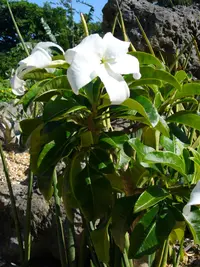
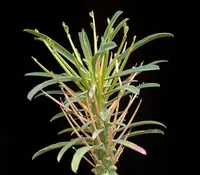
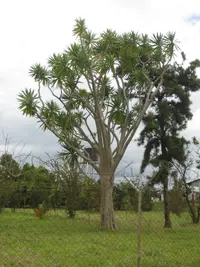
Pachypodium decaryi is a succulent shrub or small tree valued for its sculptural, bottle-shaped trunk and sparse crown of narrow, leathery leaves. It stores water in its swollen caudex, which allows it to tolerate long dry periods.
This species is native to the rocky limestone slopes of Madagascar, where it grows in strong sun and very fast-draining, mineral soils. Its slow growth, seasonal leaf drop, and sensitivity to overwatering make it moderately challenging for beginners.
Those who learn how to care for Pachypodium decaryi usually focus on bright light, careful watering, and gritty soil to keep the roots healthy and the trunk firm.

Care Difficulty
Moderate Care

Light Preference
Full Sun

Water Requirements
Low Water

Temperature Preference
Tropical / Frost Sensitive

Hardiness Zone
10–11

Soil Texture
Sandy, Loamy, Rocky

Soil pH
Slightly acidic (6.5–7.0), Neutral (7.0)

Soil Drainage
Well-drained

Fertilization
Minimal (feed rarely)
Scan your plant to receive care tips personalized for your specific plant
Available on iOS and Android
This Madagascan succulent shrub needs strong light that mimics full sun in arid habitats.
This caudiciform stores water in its swollen trunk and prefers infrequent, deep watering.
This species thrives in warm, dry conditions and is sensitive to cold and frost.
This species is adapted to dry air and usually does not need special humidity management.
Pachypodium decaryi needs a very fast-draining, mineral-heavy substrate to prevent root and caudex rot.
This species is well suited to container growing due to its slow, compact, caudiciform habit.
This caudiciform succulent needs modest feeding to support slow, compact growth in containers.
This species needs minimal pruning, mainly for safety, appearance, and plant health.
Container-grown plants benefit from careful, infrequent repotting due to their sensitive, fleshy roots.
This species is most often propagated from seed, while vegetative methods are uncommon and challenging.
This succulent is frost-sensitive and needs dry, cool, but not freezing winter conditions, especially in containers.

Plant Health Check
Not sure what's wrong with your plant? Check your plant's health inside the app.
This species is naturally restricted to exposed limestone outcrops in central Madagascar, where it anchors in rock crevices with very little soil and endures intense sun and seasonal drought.
Its massive, bottle-shaped trunk (caudex) acts as a water-storage organ, allowing the plant to survive long dry periods typical of its native habitat.
It produces large white, funnel-shaped flowers that often release a stronger fragrance at night, which is thought to help attract nocturnal pollinators in its native range.

Pachypodium decaryi is considered one of the most geographically restricted species in its genus, occurring only in a relatively small area of central Madagascar, which contributes to its conservation concern due to habitat disturbance and over-collection.
Lack of flowering usually relates to insufficient light, cool temperatures during the growing season, or a plant that is still immature. Stable warmth, strong light, and a pronounced dry winter rest period generally improve flowering performance over time.
Keep your plants happy and healthy with plant identification, disease detection, and easy care guidance.