Loquacious Tonguefig Care (Glottiphyllum linguiforme)

Also known as: Tonguey Tonguefig
Loquacious Tonguefig

About Loquacious Tonguefig

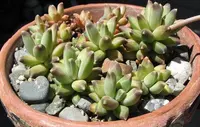
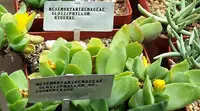
Loquacious tonguefig (Glottiphyllum linguiforme) is a small, clumping succulent from arid regions of South Africa. It stores water in thick, tongue-shaped leaves that grow low to the ground.

The plant forms loose mats or clusters and produces bright yellow, daisy-like flowers in good light. Its slow, compact growth makes it suitable for containers and small indoor collections.

This species is generally considered easy to grow if it receives strong light, very well-drained soil, and careful watering. Beginners often find it manageable once they understand how to care for Loquacious Tonguefig and avoid overwatering.

Main Plant Requirements

Care Difficulty

Easy Care

Light Preference

Full Sun

Water Requirements

Low Water

Temperature Preference

Tropical / Frost Sensitive

Hardiness Zone

10–11

Soil Texture

Sandy, Loamy, Rocky

Soil pH

Slightly acidic (6.5–7.0), Neutral (7.0)

Soil Drainage

Well-drained

Fertilization

Minimal (feed rarely)

Get Personalized Care Plan

Scan your plant to receive care tips personalized for your specific plant

Available on iOS and Android

How to Care for the Loquacious Tonguefig

This compact South African succulent thrives in bright, dry locations with plenty of direct sun.

  • Provide 4–6 hours of direct morning sun plus bright light the rest of the day; light afternoon shade helps prevent leaf scorch in very hot, exposed sites.
  • It tolerates light or dappled shade for part of the day, but long-term low light causes stretched, weak growth and dull leaf color in Loquacious Tonguefig.
  • In winter, maximize sun exposure by avoiding shade from buildings or trees; in summer, monitor foliage for bleaching or brown patches as signs of excessive sun.

This drought-adapted succulent stores moisture in its thick leaves and needs infrequent, careful watering.

  • Allow the top 3–5 cm of gritty, fast-draining soil to dry completely before watering, then soak thoroughly and let excess drain away.
  • Reduce watering sharply in cooler months, giving only small amounts when leaves start to soften or wrinkle slightly, especially in climates with winter rainfall.
  • Watch for signs of overwatering such as yellowing, translucent, or mushy leaves in Glottiphyllum linguiforme, and improve drainage or extend the drying period if seen.

This species prefers warm, dry conditions and is sensitive to prolonged cold and frost.

  • Aim for daytime temperatures of 65–80°F (18–27°C) for active growth, with slightly cooler nights to mimic its native climate.
  • Protect from frost; short dips to 30–32°F (-1–0°C) may be survived if kept dry, but repeated or hard freezes can damage or kill the plant.
  • In hot regions, it tolerates 90–100°F (32–38°C) if soil is very well-drained and roots are shaded, but combine this with light afternoon shade to reduce heat stress.

This succulent handles typical indoor humidity without special measures.

  • Target 30–50% humidity, similar to most heated or air-conditioned homes.
  • Dry air is well tolerated, but sudden shifts with cold drafts can wrinkle leaves temporarily.
  • If air is extremely dry and hot, increase humidity slightly by grouping plants, not by misting fleshy leaves.

Use a very fast-draining, mineral-rich mix to prevent root rot.

  • Choose a gritty, sandy substrate with large pore spaces, such as cactus mix heavily amended with coarse sand or fine gravel.
  • Aim for slightly acidic to neutral pH around 6.0–7.0, avoiding peat-heavy blends that stay wet for long periods.
  • Improve drainage and aeration by adding 30–50% mineral ingredients like pumice, perlite, or crushed lava rock to commercial succulent mix.
  • Avoid dense, clay-like garden soil or mixes high in un-decomposed compost, which hold water and suffocate roots of Glottiphyllum linguiforme.

This compact succulent is well suited to container growing.

  • Use a shallow, wide pot to match its spreading root system and keep the central crown above the rim for quicker surface drying.
  • Choose unglazed terracotta if extra evaporation is needed, especially in cooler or dimmer settings where mix dries slowly.
  • Place the container where excess water can drain freely away and the pot base does not sit in decorative outer sleeves or trays.

This succulent needs only light feeding to stay healthy and avoid overly lush, weak growth.

  • Use a diluted balanced liquid fertilizer (around 10-10-10) at 1/4–1/2 strength during active growth in spring and early summer.
  • Apply every 4–6 weeks at most, onto already moist soil to reduce root burn risk.
  • Skip feeding in late fall and winter, when growth slows and the plant rests.
  • For caring for Loquacious Tonguefig, avoid rich compost or heavy slow-release fertilizers that hold excess moisture.

Glottiphyllum linguiforme needs minimal pruning, mainly for cleanliness and shape control.

  • Best time is late winter or early spring, before strong new growth starts.
  • Use small, sharp scissors or pruning snips disinfected with alcohol to limit disease spread.
  • Remove dead, shriveled, or damaged leaves at the base to improve air flow and appearance.
  • Trim stretched, leggy segments lightly if needed to keep a compact, low clump.

This slow-growing succulent prefers tight pots and infrequent repotting to avoid excess moisture around roots.

  • Repot every 2–3 years, or when roots circle the pot or growth slows despite good light and watering.
  • Plan repotting for late winter to early spring, just before the main growth phase begins.
  • Use a shallow container with drainage holes and a very gritty, fast-draining mix to limit root rot risk.
  • Gently loosen the root ball, remove old compacted soil, and keep roots slightly dry for 2–3 days after repotting to let any injuries heal.

Glottiphyllum linguiforme is commonly propagated from stem or leaf cuttings and by division of clumps.

  • Take offsets or short stem cuttings in spring or early summer, choosing firm, disease-free tissue.
  • Allow cut surfaces to dry and callus for 1–3 days in a shaded, airy place before planting.
  • Place cuttings or divisions in a gritty succulent mix, then keep slightly moist and in bright, indirect light.
  • Seeds can also be sown on the surface of slightly moist, sandy soil at 65–75°F, with gentle light and good air circulation.

This succulent is frost-sensitive and needs thoughtful winter care in most temperate climates.

  • Keep temperatures above 40°F; prolonged exposure below freezing can damage or kill leaves and roots.
  • Grow in containers so plants can be moved indoors to a bright, cool, dry location for winter.
  • Water very sparingly in winter, letting the mix dry almost completely between light waterings to prevent rot.
  • In mild climates, provide a sheltered, rain-protected spot and ensure excellent drainage to avoid cold, wet soil.

Care Tips

Encourage Compact Growth

Rotate the pot 90° every 1–2 weeks so all rosettes receive similar light exposure, which keeps the plant low, dense, and prevents lopsided, stretched leaves.

Seasonal Rest Management

Reduce handling and avoid repotting during the hottest part of summer when the plant can semi-dorm, instead scheduling any major work like division or root inspection for early spring or early fall when growth is more active.

Controlled Offshoot Division

When clumps become crowded, lift the plant gently and separate only firm, well-rooted offsets with at least a few leaves, then let the cut or torn surfaces dry for 24 hours before replanting to lower rot risk.

Improve Drainage Physically

If using decorative outer pots, raise the nursery pot on ceramic feet or small stones so any drained water clears the base, and tilt the container slightly after watering to help excess water run off the root zone quickly.

Prevent Leaf Rot

Water at the soil surface and avoid wetting the fleshy leaves, then use a squeeze bulb, straw, or paper towel corner to remove any trapped water in leaf crevices, which is critical for Glottiphyllum linguiforme plant care in humid indoor conditions.

Common Pests and Diseases

Mealybugs

This pest often hides in leaf bases and between tightly clustered leaves, sucking sap and causing yellowing, distortion, and sticky honeydew on the fleshy foliage.

Solution

Isolate the plant, then dab visible insects with cotton swabs dipped in 70% isopropyl alcohol and repeat weekly until no new pests appear. Improve light and air movement, avoid overfertilizing, and, if needed, use a labeled systemic insecticide suitable for succulents for more persistent infestations.

Aphids

These insects congregate on soft new growth and flower stalks, feeding on sap and causing curling, stunted leaves, and honeydew that can attract sooty mold.

Solution

Rinse the plant gently but thoroughly with a stream of lukewarm water to dislodge colonies, repeating every few days as needed. For ongoing problems, apply an insecticidal soap or horticultural oil labeled for succulents, making sure to coat leaf undersides and tight crevices, and reduce excess nitrogen fertilization that encourages soft growth.

Root mealybugs

This pest lives in the potting mix and on roots, forming white cottony masses that weaken the plant and lead to poor growth, shriveling leaves, and failure to thrive despite normal watering.

Solution

Remove the plant from its pot, wash off all soil, and trim heavily infested or dead roots, then repot into fresh, fast-draining succulent mix in a disinfected container. Treat the remaining roots and new soil with an appropriate systemic insecticide or a drench of insecticidal soap, and monitor closely for renewed white cottony patches when caring for Loquacious Tonguefig.

Fungal leaf spots

This disease appears in persistently damp or poorly ventilated conditions as small, sunken, brown or black spots on the fleshy leaves that can merge into larger patches.

Solution

Remove and discard affected leaves, then improve airflow, spacing, and light while avoiding overhead watering and water sitting on leaves. Allow the potting mix to dry well between waterings, and in severe or recurring cases, apply a low-toxicity fungicide labeled for ornamental succulents following all label directions.

Soft bacterial rot

Symptoms include suddenly soft, water-soaked, foul-smelling patches on leaves or stems, often starting where water or damage has entered the tissue.

Solution

Cut away all affected tissue well into healthy, firm material with a sterile knife and discard infected pieces and any contaminated soil. Let cut surfaces dry and callus in bright, dry conditions, adjust watering to keep the mix more on the dry side, and ensure the plant sits in a sharply draining substrate to reduce future infections.

Interesting Facts

Tongue-like leaf shape

This species has thick, flattened, tongue-shaped leaves with rounded tips, which inspired the common name tongue-leaved plant and helps the plant store water efficiently in its tissues.

Night-active photosynthesis

Like many arid-zone succulents, it uses crassulacean acid metabolism (CAM), a form of photosynthesis where stomata open mostly at night to reduce water loss in its native South African habitat.

Loose, clumping growth

In nature it often forms low, spreading clumps with leaves that lie or splay along the ground, which shades the soil surface and reduces evaporation around its shallow roots.

Botan icon

Did you know?

In its native range in the Western and Eastern Cape of South Africa, this species often grows in quartz-rich or stony soils where its pale green leaves can visually blend with surrounding stones, providing a degree of camouflage from herbivores and intense sun exposure.

FAQs about Loquacious Tonguefig

Lack of flowers often comes from insufficient light, overly rich soil, or frequent watering that keeps the roots constantly moist. Mild winter rest, strong light, and slightly lean, very free-draining substrate encourage bud formation and reliable flowering.

Grow Healthy Plants with Botan Care

Keep your plants happy and healthy with plant identification, disease detection, and easy care guidance.

Botan plant care app — identify plants on mobile

Explore More Plants