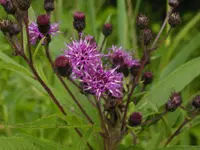
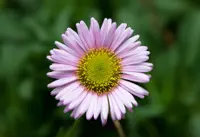
Adelinia Care (Adelinia grandis)

Also known as: Pacific hound's tongue
Adelinia

About Adelinia

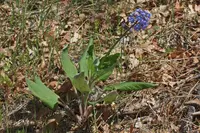
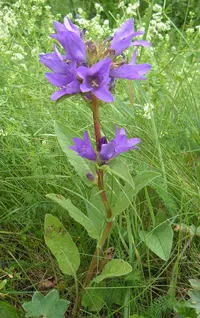
Adelinia grandis is a tropical flowering plant known for its bold foliage and showy blooms. It is typically grown as an ornamental in warm, humid regions or indoors. Leaves are broad and lush, often forming a dense clump that gives the plant a substantial presence in containers or garden beds. In suitable conditions, it develops upright stems with colorful flowers held above the foliage. Adelinia grandis occurs naturally in Central and South America, where it grows in bright but filtered light and evenly moist, well-drained soil. These preferences, plus its need for stable warmth, mean it is moderately challenging for beginners. Learning how to care for Adelinia helps keep it healthy and attractive over time.

Main Plant Requirements

Care Difficulty

Moderate Care

Light Preference

Partial Shade

Water Requirements

Moderate Water

Temperature Preference

Warm Climate

Hardiness Zone

Unknown

Soil Texture

Loamy

Soil pH

Slightly acidic (6.5–7.0)

Soil Drainage

Well-drained

Fertilization

Minimal (feed rarely)

Get Personalized Care Plan

Scan your plant to receive care tips personalized for your specific plant

Available on iOS and Android

How to Care for the Adelinia

This species prefers bright, gentle light similar to a lightly shaded forest edge.

  • Provide 3–5 hours of morning sun with light or dappled shade the rest of the day; avoid harsh western afternoon exposure.
  • Tolerates partial shade, but in less than 2–3 hours of bright light daily, Adelinia may grow leggy with fewer flowers or smaller leaves.
  • In summer, use filtered light under taller plants or shade cloth; in winter, reduce shading so the plant receives as much soft daylight as possible.

Watering should keep the root zone evenly moist but never waterlogged.

  • Before watering, let the top 3–5 cm of soil dry; then water slowly until the root zone is moistened, allowing excess to drain away fully.
  • In active growth and flowering, monitor soil every 2–3 days; in cooler months extend intervals, using leaf droop and light soil pull-away as early dryness signals.
  • Yellowing, soft leaves and a sour smell suggest overwatering, while crisp leaf edges and weak new growth indicate underwatering; always use well-drained, organic-rich soil.

Stable, mild temperatures support strong growth and flowering.

  • Optimal growth occurs at 65–77°F (18–25°C), with the best development in the mid part of this range when combined with consistent moisture.
  • Plants are damaged near 40°F (4°C) and should be protected from any frost; growth slows noticeably below 55°F (13°C).
  • Short periods up to 86°F (30°C) are tolerated if soil stays moist and the site is shaded during peak afternoon heat, but prolonged hotter spells can scorch leaves and reduce flowering.

This species prefers moderately humid air and reacts if conditions stay very dry.

  • Aim for 50–70% humidity, as very dry heated rooms can cause leaf edge browning and curling.
  • It tolerates short dry spells, but prolonged air below 40% increases risk of spider mites and slow growth.
  • Raise humidity with a nearby humidifier or grouped plants; avoid misting if foliage stays wet for hours to reduce fungal issues.

Adelinia grandis grows best in a loose, well-aerated, fast-draining mix that still holds some moisture.

  • Use a peat- or coco-based mix amended with fine bark and perlite to create a chunky, airy structure.
  • Ensure rapid drainage; water should run through within seconds, with no standing water left in the saucer.
  • Keep pH slightly acidic to neutral, around 6.0–7.0, to support nutrient availability and stable growth.
  • Avoid heavy garden soil, dense clay, or mixes that compact quickly, which reduce aeration and promote root rot.

This species adapts well to container growing when the pot supports its root depth and drainage needs.

  • Choose a pot slightly deeper than wide so the root system can anchor the plant and prevent rocking in wind.
  • Use a container material that matches climate, such as terracotta for humid regions to let the mix dry more evenly.
  • Place the pot where it cannot tip easily, using a wide-based container or pot feet if growth becomes tall or top-heavy.

This species benefits from light, consistent feeding during active growth but does not need heavy fertilization.

  • Use a balanced, water-soluble fertilizer (around 10-10-10) at 1/2 strength for Adelinia grandis.
  • Apply every 4–6 weeks in spring and summer, always onto moist soil to reduce root burn risk.
  • Stop feeding in fall and winter when growth slows or the plant is dormant.
  • For a gentler option, incorporate a small amount of slow-release fertilizer or compost at the start of the growing season.

Thoughtful pruning helps maintain structure, remove weak growth, and support long-term health in Adelinia grandis.

  • Carry out main pruning in late winter or early spring before strong new growth starts.
  • Remove dead, diseased, crossing, or inward-growing branches to improve light penetration and air movement.
  • Thin congested areas instead of heavy heading cuts to preserve a natural form and stable framework.
  • Use sharp, clean bypass pruners or loppers, making angled cuts just above outward-facing buds or branch collars.

Transplanting or shifting containers is mainly needed when root congestion or slowed growth becomes noticeable.

  • Check for roots circling the pot base, emerging from drainage holes, or clear decline in vigor as signals to move Adelinia grandis.
  • Plan transplanting for early spring or early fall, avoiding extreme heat or freezing periods.
  • Typically shift container plants every 2–3 years into a pot 2–5 cm wider, using fresh, well-drained mix.
  • Water thoroughly before and after moving, keep roots shaded, and disturb the root ball only lightly to limit stress.

Adelinia grandis is usually propagated by seed, with success depending on fresh seed and stable conditions.

  • Collect ripe seed at the end of the growing season and sow promptly for best viability.
  • Use a free-draining seed mix, keep at 65–75°F, and maintain steady, light moisture without waterlogging.
  • Provide bright, indirect light and gentle air movement to reduce damping-off, a fungal seedling disease.
  • Transplant seedlings once several true leaves appear, handling roots carefully to avoid damage.

This species is moderately cold hardy but benefits from simple winter precautions in colder regions.

  • Tolerates light frosts; sustained temperatures below about 20°F may damage young plants.
  • Apply a 5–8 cm mulch layer around the root zone, keeping it slightly away from the stem base.
  • In very cold or exposed sites, wrap young stems with breathable horticultural fleece or burlap for insulation.
  • Move container-grown plants into an unheated but frost-free space, such as a garage or cold greenhouse.

Care Tips

Sturdy trellis support

Install a firm trellis or mesh panel early, then loosely tie new vines with soft plant ties so the stems do not kink or snap as they lignify (turn woody).

Targeted flower deadheading

Regularly remove spent blooms by cutting just above a healthy pair of leaves to encourage new flower spikes and reduce wasted energy on seed production when growing Adelinia.

Root zone aeration

Once or twice a year, gently poke a few narrow holes into the potting mix with a chopstick to improve air movement around the roots without tearing them.

Preventive pest scouting

Inspect the undersides of leaves and along stems weekly with a hand lens, so any early aphid, mite, or scale infestation can be treated before it damages new growth.

Seasonal light rotation

Rotate the pot 90° every 1–2 weeks during the active growing season so light reaches all sides evenly and the plant maintains a balanced, upright structure rather than leaning toward the window.

Common Pests and Diseases

Spider mites

This pest feeds on the undersides of leaves, causing fine stippling, pale patches, and delicate webbing, especially in warm, dry indoor air. Symptoms include slow decline of foliage and a dull, dusty appearance on the leaf surface.

Solution

Rinse foliage thoroughly with a strong, lukewarm water spray, including leaf undersides, then repeat every few days for 1–2 weeks. For persistent populations, use insecticidal soap or a light horticultural oil, and keep humidity moderately higher while improving airflow to discourage reinfestation as part of Adelinia grandis care.

Mealybugs

These insects appear as small white cottony clusters in leaf axils, along stems, and sometimes on roots, sucking sap and causing leaf yellowing and distorted new growth. Symptoms include sticky honeydew and sooty mold on nearby surfaces.

Solution

Remove visible colonies with cotton swabs dipped in isopropyl alcohol, then wash the plant with a mild insecticidal soap, focusing on crevices where insects hide. Isolate the plant, repeat checks weekly, and discard heavily infested leaves or stems to break the life cycle.

Leaf spot (fungal)

This disease produces brown to dark purple spots with possible yellow halos on the foliage, often starting on older or shaded leaves that stay wet for long periods. Symptoms include progressive spotting, premature leaf drop, and a generally weakened plant.

Solution

Prune and discard affected leaves, avoiding overhead watering so foliage dries quickly, and increase airflow around the plant. If spotting continues, apply a labeled copper or other ornamental-safe fungicide according to directions and avoid crowding plants to limit spread.

Powdery mildew

This disease shows as a white to gray powdery coating on upper leaf surfaces, sometimes leading to curling or distorted growth under low light and stagnant air. Symptoms include reduced vigor and leaves that yellow and drop prematurely if untreated.

Solution

Improve light levels and air movement, remove heavily affected leaves, and avoid late-day overhead misting. Treat remaining foliage with a sulfur-based or potassium bicarbonate fungicide labeled for ornamentals, and maintain wider spacing between plants to reduce humidity pockets.

Interesting Facts

Recently described genus

Adelinia grandis belongs to a relatively new and narrowly defined genus, separated from related Acanthaceae members based on detailed floral structure and molecular data. Its recognition reflects how DNA-based taxonomy is reshaping the understanding of this plant family.

Specialized flower structure

The flowers have a bilabiate (two-lipped) corolla and a tubular shape that channels visiting pollinators toward the reproductive organs. This architecture helps control how pollen is placed on the animal’s body, improving pollination efficiency.

Acanthaceae family traits

As a member of the Acanthaceae, this species shows characteristic paired bracts and often barbed seeds that are adapted for short-distance dispersal. These features help distinguish it from visually similar ornamental shrubs in other families.

FAQs about Adelinia

Brown leaf edges usually result from low humidity, inconsistent watering, or salt buildup from fertilizer. Check soil moisture, flush the pot occasionally with clean water, and increase ambient humidity with a tray of water and pebbles.

Grow Healthy Plants with Botan Care

Keep your plants happy and healthy with plant identification, disease detection, and easy care guidance.

Botan plant care app — identify plants on mobile

Explore More Plants