


Dormancy management
Allow the foliage to yellow and die back naturally after flowering, then gradually reduce watering and keep the tubers in their potting mix almost dry until new growth points appear in the next active season.

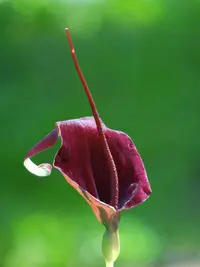
Divaricate Typhonium (Typhonium blumei) is a small aroid grown mainly for its unusual, sculptural flower spike and bold, arrow-shaped foliage. It grows from a tuber that sends up leaves and a single flower structure during the warm season, then often goes dormant and disappears from view in cooler or dry periods.
This species occurs naturally in parts of Southeast Asia, where it grows in warm, humid, partially shaded habitats. Its seasonal dormancy and strong flower scent can surprise beginners, but the plant is generally resilient once its cycle is understood. To care for Divaricate Typhonium, provide bright shade, moderate moisture during active growth, and a freely draining, airy soil mix.

Care Difficulty
Moderate Care

Light Preference
Partial Shade

Water Requirements
Regular Water

Temperature Preference
Tropical / Frost Sensitive

Hardiness Zone
10–11

Soil Texture
Loamy, Sandy, Organic-rich

Soil pH
Acidic (5.5–6.5), Slightly acidic (6.5–7.0)

Soil Drainage
Moist but well-drained

Fertilization
Light (every 4–6 weeks)
Scan your plant to receive care tips personalized for your specific plant
Available on iOS and Android
Typhonium blumei grows best in bright, indirect light that mimics dappled forest shade.
This aroid prefers evenly moist, well-drained soil during its active growing season.
This species grows best in warm, frost-free conditions typical of subtropical gardens.
This aroid prefers moderately humid air and reacts quickly to very dry conditions.
This tuberous plant grows best in loose, airy, fast-draining substrate that still retains some moisture.
This species is well suited to container culture when the pot supports its tuber and seasonal growth cycle.
Typhonium blumei benefits from light, targeted feeding during its active growing season.
Typhonium blumei needs minimal pruning, mainly to keep foliage healthy and tidy.
This tuberous aroid grows well in pots and beds, but occasional division and repotting keeps Typhonium blumei vigorous.
New Typhonium blumei plants are most reliably produced by division of tubers and offsets.
Typhonium blumei is frost-sensitive and needs specific winter care in cooler climates.

Plant Health Check
Not sure what's wrong with your plant? Check your plant's health inside the app.
The inflorescence emits a strong odor similar to rotting meat that attracts flies and other carrion insects, which act as pollinators. This scent is produced mainly by compounds released from the spadix during anthesis, the short period when the flower is fertile.
During flowering, the spadix can generate heat, a process known as thermogenesis. This mild temperature rise helps volatilize scent compounds and can make the inflorescence more noticeable to insect pollinators.
This species grows from an underground tuber that enters a clear dormant phase after the leaves die back. In nature it survives dry or cool periods as a resting tuber, then resprouts when conditions improve.

In parts of Southeast Asia, the tubers of this species have traditionally been processed as a famine or emergency food, but only after careful preparation to remove irritating calcium oxalate crystals that can cause intense mouth and throat discomfort if eaten raw.
This tuberous aroid forms small clumps and can slowly expand by offsets, but it is not usually aggressive. In typical garden settings, it stays fairly contained and is easy to manage by lifting or dividing tubers.
Keep your plants happy and healthy with plant identification, disease detection, and easy care guidance.


Diastema affine
Diastema affine

White Variegated Monstera
Monstera deliciosa 'Albovariegata'
 POPULAR
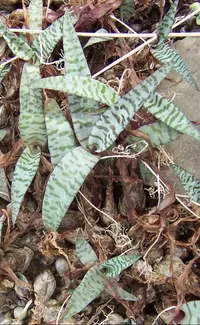
Silver squill
Ledebouria socialis
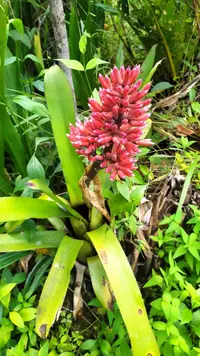
Aechmea melinonii
Aechmea melinonii
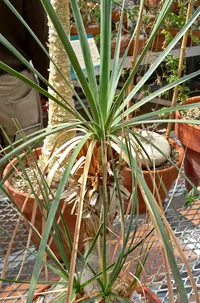
Mexican Pony Tail Palm
Beaucarnea gracilis
Peace Lily
Spathiphyllum 'Domino'
smooth Solomon's seal
Polygonatum biflorum
Silver Queen plant
Aglaonema commutatum