Root-zone inspection
Lift the pot and check drainage holes every 2–3 months; if you see thick, pale roots circling or pressing out, repot to a slightly wider container to prevent binding that can stunt growth in this species.

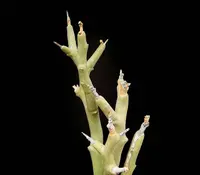
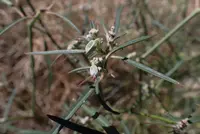
Spike milkbush, Euphorbia lignosa, is a shrubby succulent from arid regions of southern Africa. It forms tight clusters of upright, thorny, gray-green stems with few or no leaves.
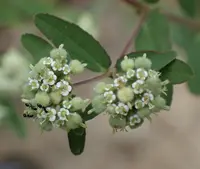
The plant stores water in its stems and has small, modest flowers typical of many Euphorbia species. Its compact, architectural shape makes it interesting for specialized succulent collections.
Euphorbia lignosa prefers bright, dry conditions, very free-draining soil, and careful watering, which can make it less suitable for beginners. Understanding how to care for Spike Milkbush mainly involves avoiding excess moisture and cold conditions.

Care Difficulty
Moderate Care

Light Preference
Full Sun

Water Requirements
Low Water

Temperature Preference
Warm Climate

Hardiness Zone
9–11

Soil Texture
Sandy, Rocky, Loamy

Soil pH
Slightly acidic (6.5–7.0), Neutral (7.0)

Soil Drainage
Well-drained

Fertilization
Minimal (feed rarely)
Scan your plant to receive care tips personalized for your specific plant
Available on iOS and Android
This drought-adapted succulent prefers bright, open conditions that mimic its native habitat.
This species stores water in its tissues and needs infrequent, careful watering.
This succulent prefers warm, dry conditions and is sensitive to prolonged cold and frost.
This drought-tolerant succulent handles typical indoor humidity and does not need special moisture in the air.
This species needs a sharply draining, mineral-rich substrate to prevent root and stem rot.
This species is well suited to container growing due to its compact, drought-tolerant root system.
This drought-adapted succulent shrub needs only modest feeding for healthy growth.
Pruning Euphorbia lignosa is mainly done to remove damage and maintain a compact form.
This species is slow growing and prefers infrequent disturbance, whether in containers or in the ground.
Propagation of Euphorbia lignosa is usually done from semi-ripe stem cuttings rather than seed.
This shrub is moderately cold tolerant but benefits from simple winter precautions in cooler climates.

Plant Health Check
Not sure what's wrong with your plant? Check your plant's health inside the app.
This species develops a low, much-branched, woody framework rather than the columnar or spiny forms seen in many other succulent euphorbias, giving it a compact shrub appearance in habitat.
Like related euphorbias, it produces a white, irritant latex that deters herbivores and helps seal wounds, but in E. lignosa the woody stems can exude latex only from younger green portions where active tissues remain.
Its thick, succulent green stems handle most of the photosynthesis and water storage, allowing small, often short-lived leaves to be shed quickly during drought while the plant maintains core metabolic activity.
The milky sap is toxic and irritating. Ingestion can cause mouth pain, vomiting, or diarrhea in pets and humans. Skin or eye contact may burn or blister. Always wear gloves and keep this plant away from children and animals.
Keep your plants happy and healthy with plant identification, disease detection, and easy care guidance.